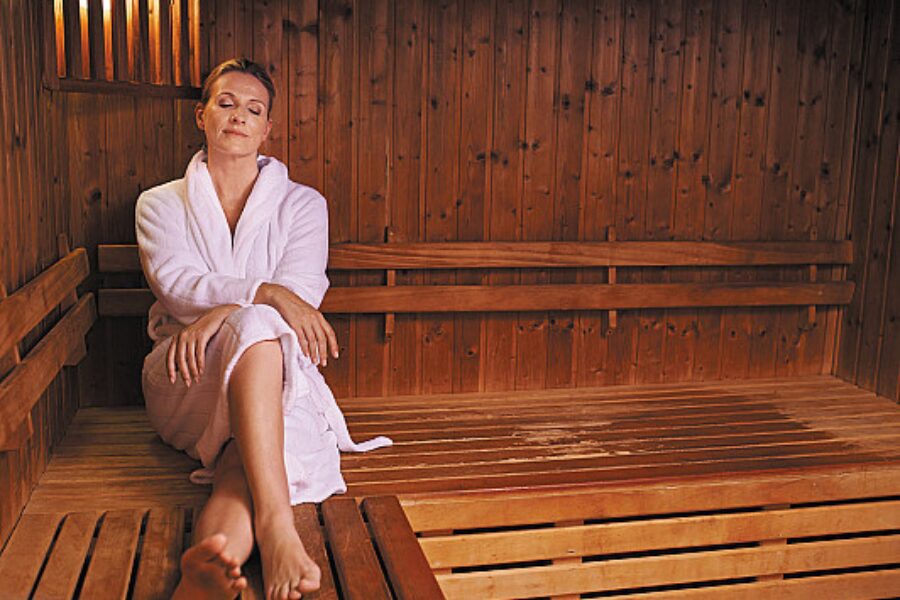

New research from the United Kingdom suggests that sauna bathing may offer therapeutic benefits that extend well beyond traditional relaxation and physical recovery. Emerging studies indicate a profound correlation between regular sauna rituals, enhanced emotional wellbeing, and a measurable reduction in loneliness. As global discourse increasingly prioritises mental health and the mitigation of social isolation, researchers are investigating how communal wellness environments may foster a deeper sense of emotional synchrony and social belonging.
The findings are the result of three distinct studies conducted by a collaborative team of researchers from the University of Greenwich, University of Oxford, University of Kent, The London Interdisciplinary School, and the British Sauna Society. The methodology involved evaluating participants on their frequency of use, perceived improvements in mental and physical health, and the qualitative strength of their connection to sauna communities.
The research scope included an analysis of London-based users participating in traditional aufguss rituals, alongside data from a comprehensive community sauna survey involving nearly 1,800 respondents. A third component of the research utilised “identity fusion” metrics—a key psychological indicator used to assess the level of emotional closeness and group cohesion experienced by participants.
Consistently across all three studies, regular sauna engagement was associated with significant positive wellbeing outcomes. While monthly attendance provided notable benefits, weekly sessions demonstrated a more robust correlation with both enhanced mental health and sustained physical vitality.
The social dimension emerged as a critical factor in these outcomes. Participants who reported a heightened sense of community belonging or shared emotional experiences within the sauna environment recorded the most significant improvements in emotional health. This suggests that communal rituals may actively strengthen interpersonal bonds, providing a valuable buffer against feelings of isolation.
These findings have prompted new discussions regarding the integration of sauna bathing into “social prescribing” frameworks. Such models are currently under review by the NHS as part of a broader shift toward preventative wellness strategies designed to alleviate pressure on traditional healthcare infrastructures.
Looking ahead, researchers intend to deepen their investigation into how structured rituals and communal wellness experiences influence long-term social bonding and emotional resilience.