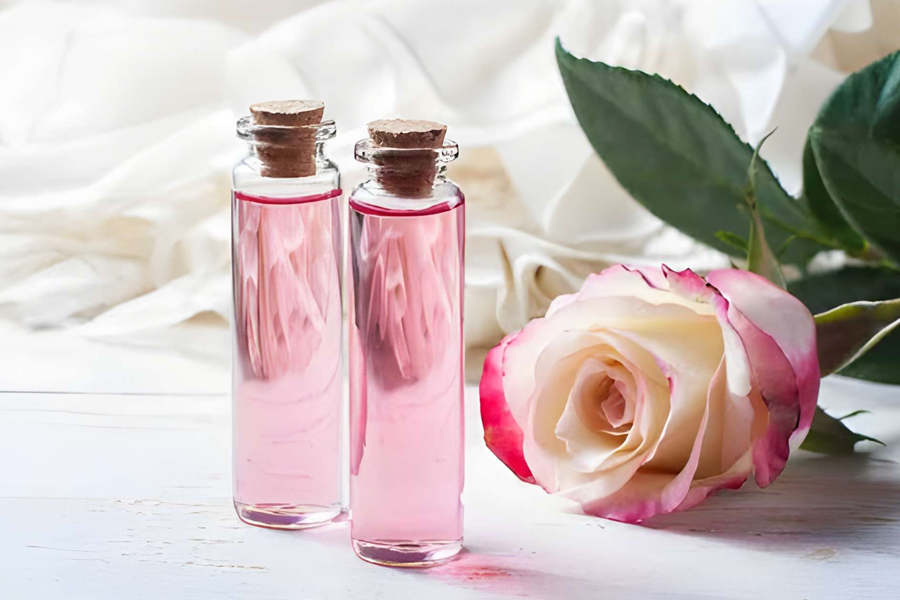

Rose has always had a place in skincare – from generations-old rose water rituals, to contemporary luxury formulations. What is shifting now is the scientific framing around it. Modern research is beginning to examine whether rose petal compounds do something more clinically meaningful than soothe and scent, and the early findings are worth paying attention to.
What the Research Actually Shows
A 2018 study published in the journal Pharmaceutical Biology found that rose petal extract demonstrated significant antioxidant and anti-inflammatory activity in laboratory conditions. Rose petals naturally contain flavonoids, polyphenols, anthocyanins, and vitamin C-like plant compounds, all of which contribute to neutralising free radicals. Free radicals, produced by UV exposure, pollution, stress, and poor sleep, are among the primary drivers of collagen and elastin degradation in skin.
The distinction the research draws is important: rose extracts do not stimulate collagen synthesis directly, but may help slow the oxidative breakdown of collagen the skin already has. In a skincare landscape increasingly focused on preservation as much as correction, that is a clinically relevant function.
Why Collagen Protection Matters
Collagen production naturally declines from the mid-twenties onward, and environmental stressors accelerate that loss considerably. Sun exposure, pollution, dehydration, and over-exfoliation all contribute to faster structural deterioration. The anti-inflammatory properties identified in the same study are particularly relevant here: chronic low-grade inflammation triggered by harsh actives, sunburn, and stress quietly weakens skin over time. Rose extracts’ established soothing profile positions them as a complementary tool in managing that load.
The Practical Application
Rose water does not replace a moisturiser or an SPF. Used as a mist before moisturiser or after sun exposure, it provides light hydration support that helps the skin barrier reflect light more evenly. The freshness people associate with rose mist is largely a hydration response rather than a structural one. The research suggests the deeper value is cumulative: consistent antioxidant and anti-inflammatory support working quietly within a broader routine.