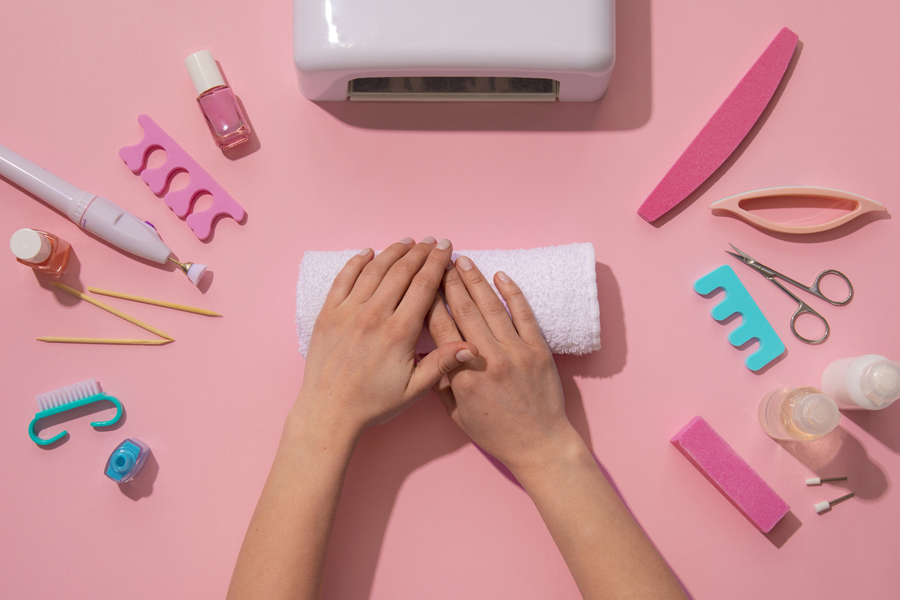

In an era where clients research before they book, your salon’s hygiene protocol is your most powerful statement of professionalism.
Words | Rohini Wahul
Walk into any nail salon today and clients are watching more closely than ever. They notice whether tools arrive in sealed pouches, they clock whether the technician changes gloves between clients and they check if the workstation is wiped down before they sit. In 2026, clients are no longer satisfied with a pretty finish alone. They want the confidence of knowing that every surface, every tool and every product touched during their service has been handled with the same precision as the nail art itself.
Nail hygiene standards are no longer a back-room concern. They are front and centre of every client’s decision to return or walk away for good.
Sterilisation of Nail Tools: The Gold Standard
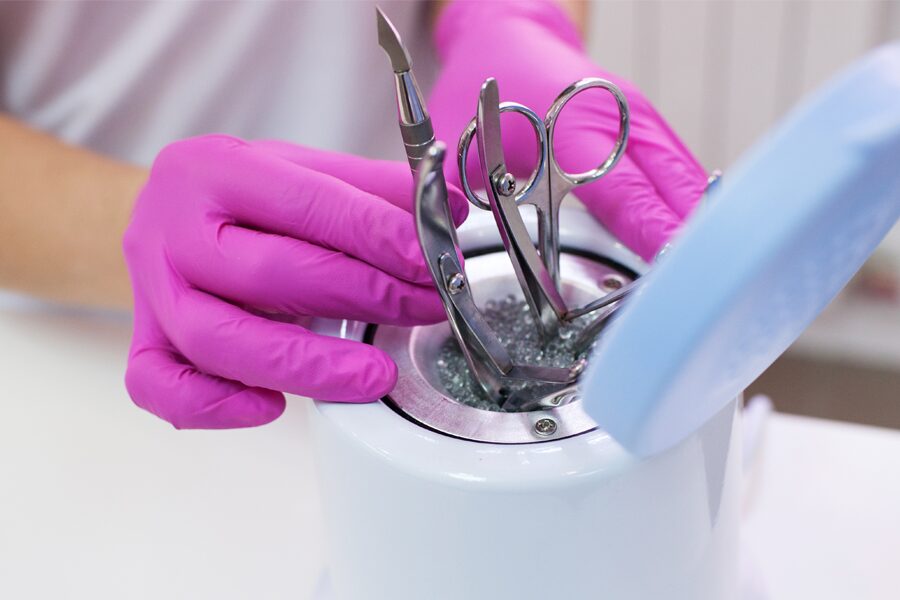
The sterilisation of nail tools is the most critical step in any salon hygiene protocol. Every metal implement including nail clippers, cuticle nippers, pushers and files must go through a strict three-stage process after every client: cleaning with soap and water, disinfecting with a hospital-grade solution, then autoclaving for complete sterilisation. Autoclaved tools arriving at the station in sealed pouches are the clearest visible signal that your salon operates at the highest professional level. Single-use items including files, buffers and orange sticks must be discarded after every client without exception. Reusing disposable tools is one of the most common hygiene failures in nail salons and one of the fastest ways to damage a hard-earned reputation.
Workstation Sanitation: Every Surface, Every Time
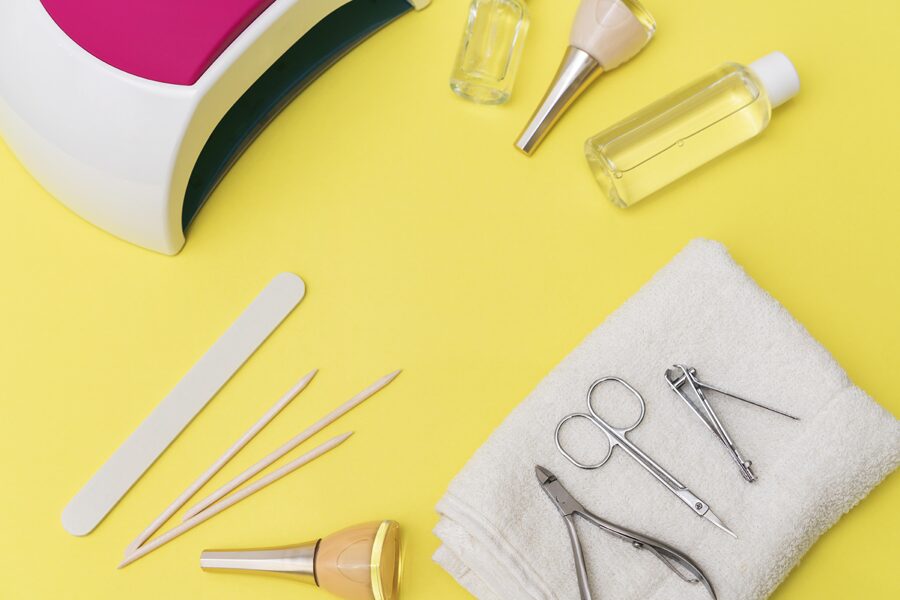
Nail salon sanitation practices must treat every workstation as a clinical environment between appointments. The nail desk, cushion, UV lamp and all product bottles must be wiped down with a professional-grade disinfectant, ready for the next client. UV gel lamps require particular attention as gel residue and dust accumulate rapidly inside the curing chamber.
Foot baths and soaking bowls must be drained, scrubbed, disinfected and fully dried after every use. A laminated hygiene checklist at each station ensures every technician follows the same protocol consistently every single day.
Personal Hygiene: Non-Negotiable for Every Technician
No nail technician hygiene protocol is complete without addressing the following points before delivering a service.
- Hands must be washed and sanitized before and after every treatment.
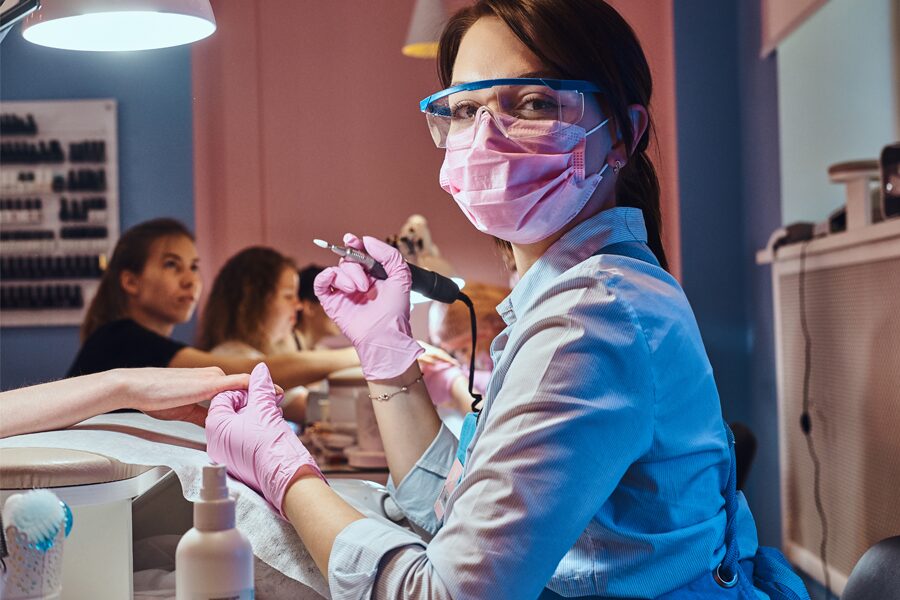
- Disposable gloves must be worn during any service involving cuticle work, skin removal or chemical application and changed between clients.
- If a technician has any cuts or skin conditions on their hands, gloves are compulsory throughout the full working day. This protects the client and the technician equally, as daily exposure to acrylic dust, chemical primers and UV light carries its own professional health risks.
- Hygiene training must be a regular calendar fixture, not a one-off induction.
Product Hygiene: Stop Double Dipping
Product contamination through brushes dipped into a shared product jar is one of the most overlooked risks in professional manicure hygiene. When a brush is returned to a shared product jar after touching a client’s nail, bacteria enter the container and contaminate every subsequent application. All products must be dispensed onto a clean palette before use. Gel polishes, topcoats, acrylic powders and cuticle oils all fall under this rule. Products must also be checked regularly for expiry dates as degraded formulations are a leading cause of allergic reactions and skin sensitisation.
Hygiene Is Your Strongest Business Tool
Nail infection prevention begins with knowing the warning signs. Redness, swelling, discolouration, unusual odour or greenish staining around the nail plate all mean the service must not proceed. Referring a client onward is not a lost booking. It is the mark of a salon that places health above revenue. In 2026, salons that make hygiene visible through sealed tools, clear signage and transparent processes are the ones clients trust, recommend and return to. Your hygiene protocol is not just best practice. It is your most powerful competitive advantage.