
L’Oréal is facing multiple class-action lawsuits in the United States over allegations surrounding two CeraVe acne treatments, bringing renewed attention to product safety and ingredient stability within the skincare industry. The cases stem from claims that products formulated with benzoyl peroxide, a commonly used acne-fighting ingredient, may generate benzene when subjected to prolonged heat.
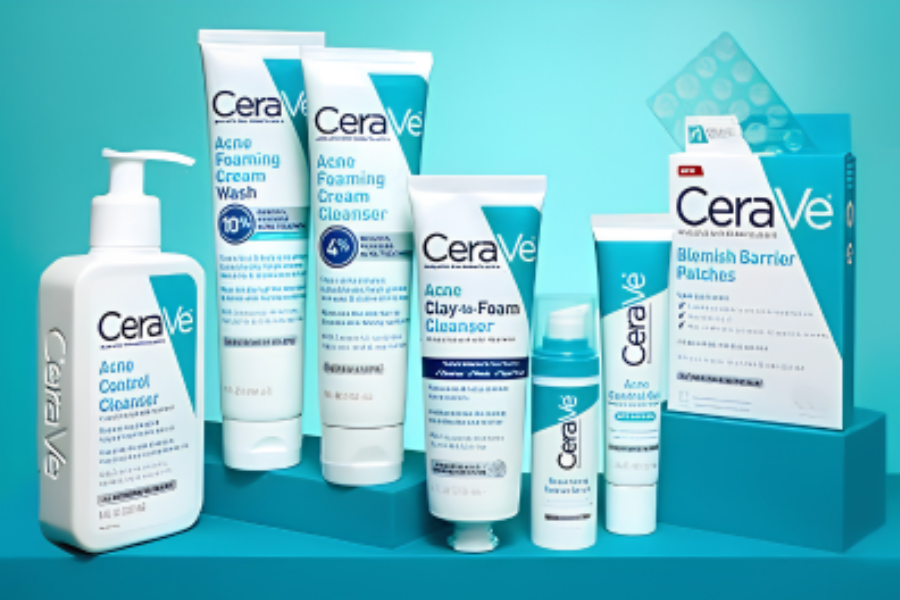
The controversy gained traction after independent analytical laboratory Valisure released test results in March 2024. During its evaluation of several benzoyl peroxide-based formulations, the laboratory reported that elevated temperatures—from around normal body temperature to much warmer storage conditions—could trigger the formation of benzene. Among the products identified in the findings were CeraVe’s Acne Foaming Cream Cleanser and Acne Foaming Cream Wash, both of which contain different concentrations of benzoyl peroxide.
The legal battle has gradually expanded since the initial complaint was filed in 2024, with similar lawsuits emerging in several US states. While there was an early attempt to have the litigation heard in Hawaii, federal authorities instead directed all six cases to the US District Court for the Southern District of New York, where they are currently being managed. The proceedings remain ongoing, and the court has not reached a final decision.
Beyond the courtroom, the issue has reignited discussions around quality assurance and transparency in cosmetic manufacturing. Consumer groups are urging brands to provide clearer information on product stability, storage recommendations and formulation testing, particularly for ingredients that may be affected by heat exposure.
Medical professionals have also urged consumers to avoid drawing premature conclusions. They added that the lawsuits allege matters that have yet to be tested in court, and that further scientific evaluation will be necessary before any definitive conclusions can be drawn about the products’ safety.