

Once celebrated as the future of retail, India’s direct-to-consumer (D2C) sector is now facing slowing growth as customer fatigue, rising acquisition costs, a funding squeeze, and overcrowded competition weigh heavily on brands. While the model was built on low entry barriers, affordable digital advertising, and direct customer engagement, sustaining momentum has become a far greater challenge.
Industry investors note that building a brand is relatively simple, but scaling it is far more difficult. Data from Tracxn reflects a drop in investor enthusiasm: D2C startups raised $672.8 million in 2024, down from $830.2 million in 2023 and $1.8 billion in 2022. In 2025 so far, the total stands at $488.48 million, which includes $5 million secured by SUGAR Cosmetics from existing backers.
The market has also become saturated. From just 300 brands in 2018, India now has more than 11,000 D2C companies, but only 233 have crossed the ₹150 crore revenue mark. Analysts point out that an attractive brand identity or strong social media presence is no longer enough to stand out. Several well-known names, including boAt, Wow Skin Science, Ustraa, and Wrogn, reported revenue declines in FY24. Mamaearth saw its net profit fall 17% in Q4 FY25, and Wakefit recorded an ₹8.8 crore loss over the first nine months of the same fiscal year. Some players, such as O’Be Cocktails and The Ayurveda Co., have shut down completely.
Experts believe the pandemic-driven surge in online shopping has faded, with customers returning to offline buying habits and online acquisition costs spiking. Investors are now placing greater emphasis on profitability rather than pure growth.
Even the much-hyped “house of brands” model has lost momentum. The Good Glamm Group, which began as Myglamm, is dismantling its consolidated structure to let individual labels operate independently. Mergers with legacy FMCG companies are also proving challenging, as they can dilute brand identity and slow decision-making, risking a disconnect with consumers.
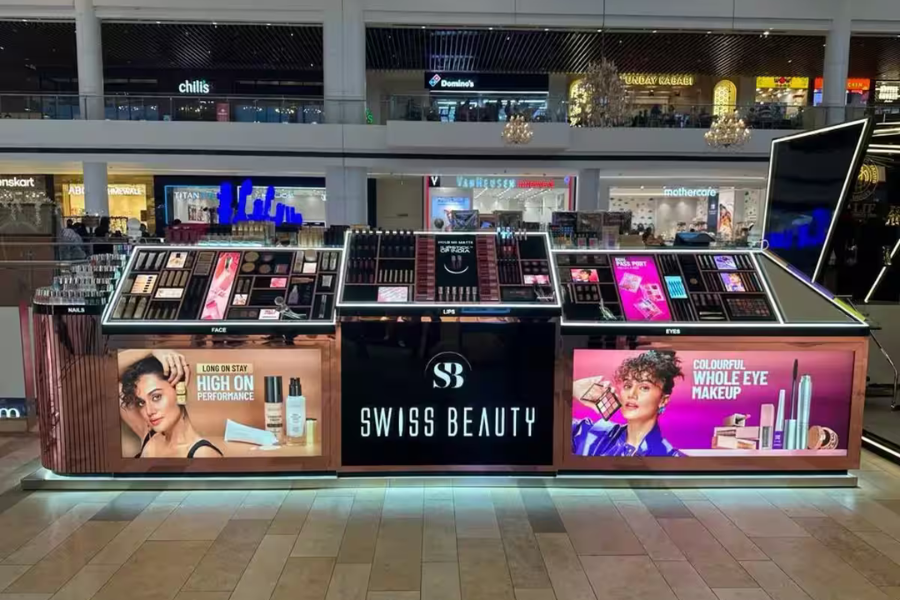
Some D2C brands are experimenting with quick commerce to expand reach, but industry watchers argue that offline retail touchpoints such as Nykaa Luxe or Tira still offer stronger opportunities for long-term brand building.