
Growing demand for personalised haircare is giving professional expertise a bigger role in product choices, with Ccigmaa’s KT Professional offering one example.
India’s salon industry is beginning to play a bigger role in the country’s personal-care economy. As consumers become more particular about hair and skincare, the salon is no longer simply where a service is delivered. It is increasingly becoming a place where consumers discover products, seek recommendations and develop preferences that can influence what they buy at home.
The opportunity is reflected in the size of the broader salon market. Ken Research estimates India’s beauty salon industry at $12.565 billion in 2025 and projects it to reach $19.773 billion by 2031, representing a compound annual growth rate of 7.85%. The market is also becoming more organised, with service quality, trained professionals, hygiene, convenience and consistency playing a greater role in consumer decisions.
This shift is creating room for professional haircare to develop as a category in its own right. IndustryARC estimates that India’s professional haircare market could reach $959.6 million by 2031, growing at an 11% CAGR between 2025 and 2031.
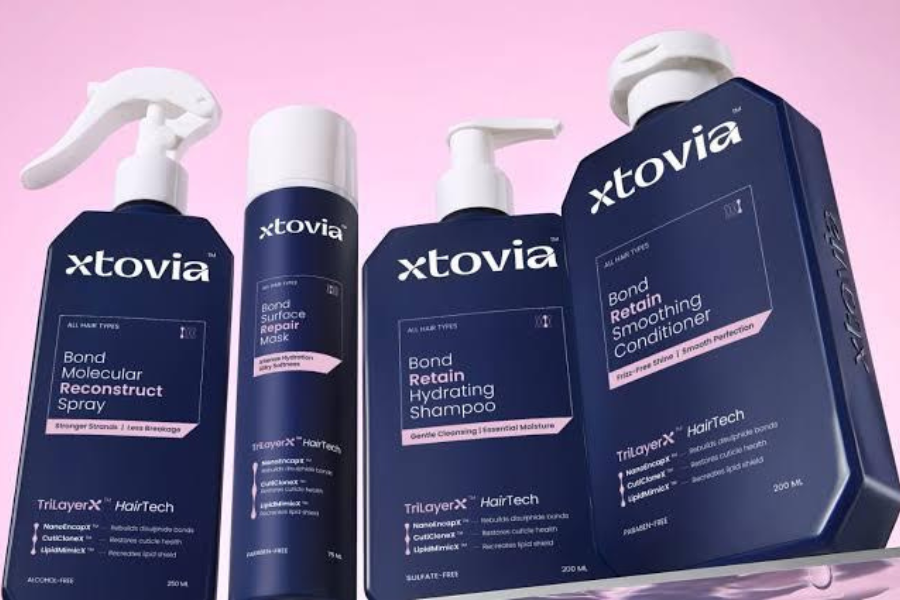
Ccigmaa Lifestyle Pvt Ltd, through its KT Professional brand, illustrates how companies are trying to build around this changing relationship between salons, stylists and consumers.
The company’s approach is based partly on the differences it sees in hair and water conditions across India. According to Ccigmaa founder and managing director Dhruv Sayani, these regional variations have informed the company’s formulation strategy. The brand says its products have also been developed with feedback from stylists and salons before being extended to consumers.
That salon connection is becoming more relevant as consumers look for products suited to their individual needs. Euromonitor’s Voice of Consumer research, cited by ET, found that one in four Indian consumers actively looks for haircare products suited to their specific hair type. What was once largely a professional-salon expectation is therefore increasingly influencing at-home purchases.
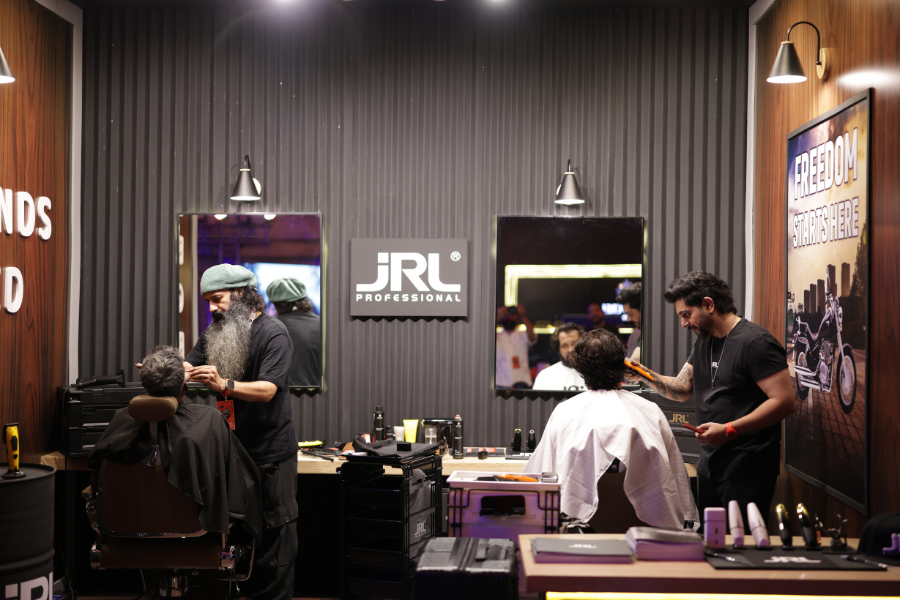
For professional brands such as KT Professional, the salon can serve as more than a distribution point. The experience of stylists working with different consumers provides feedback on product performance and changing requirements, while recommendations from professionals can influence what customers choose beyond the salon.
The changing relationship between salon and retail is another part of the opportunity. A consumer may encounter a professional product through a salon and later purchase it for home use, including through e-commerce or quick-commerce channels. As these routes increasingly overlap, the distinction between salon-led recommendations and retail-led purchases is becoming less defined provided the specific need is fulfilled.
For the professional haircare category, the bigger question is whether the projected growth will translate into sustained demand. What is already changing, however, is the role of the salon itself. As India’s beauty market becomes more organised, salons are emerging not just as places for services, but as important touchpoints for understanding consumer preferences, product performance and evolving demand.