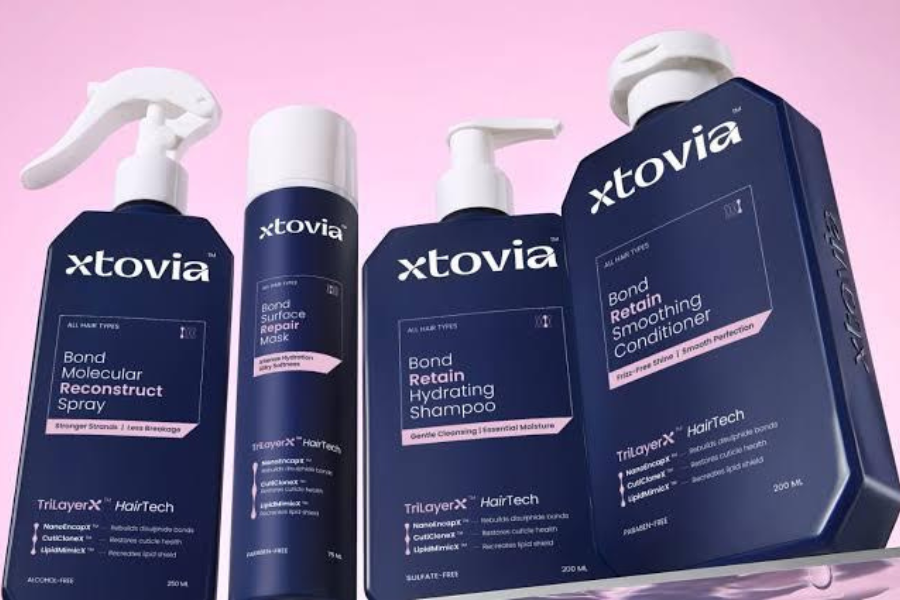


The Goods and Services Tax Appellate Tribunal (GSTAT), Principal Bench, Delhi, has upheld an anti-profiteering ruling against Raj & Co., a distributor of L’Oréal India products, for failing to pass on the benefits of GST rate reduction to consumers.
The case stemmed from a GST Council decision effective November 15, 2017, which reduced the GST rate on cosmetics from 28% to 18%. An investigation by the Directorate General of Anti-Profiteering (DGAP) covering April to December 2018 revealed that Raj & Co. did not reduce prices accordingly. Instead, it maintained or even raised base prices, thereby retaining undue gains amounting to ₹3,31,879.
The distributor argued that its billing system, “Suvidha” software provided by L’Oréal, restricted pricing adjustments, shifting responsibility to the manufacturer. However, the Tribunal rejected this claim, clarifying that every supplier in the distribution chain has an independent obligation under Section 171 of the CGST Act to pass on tax benefits. It noted that distributor agreements and past practices showed Raj & Co. could adjust base prices or offer discounts.
The GSTAT directed the distributor to deposit the profiteered amount and 18% interest into the Central and State Consumer Welfare Funds within three months and submit a compliance report within four months.
The order reinforces the principle that tax benefits must directly reach consumers, and intermediaries cannot cite software or contractual arrangements to avoid compliance with anti-profiteering provisions.