
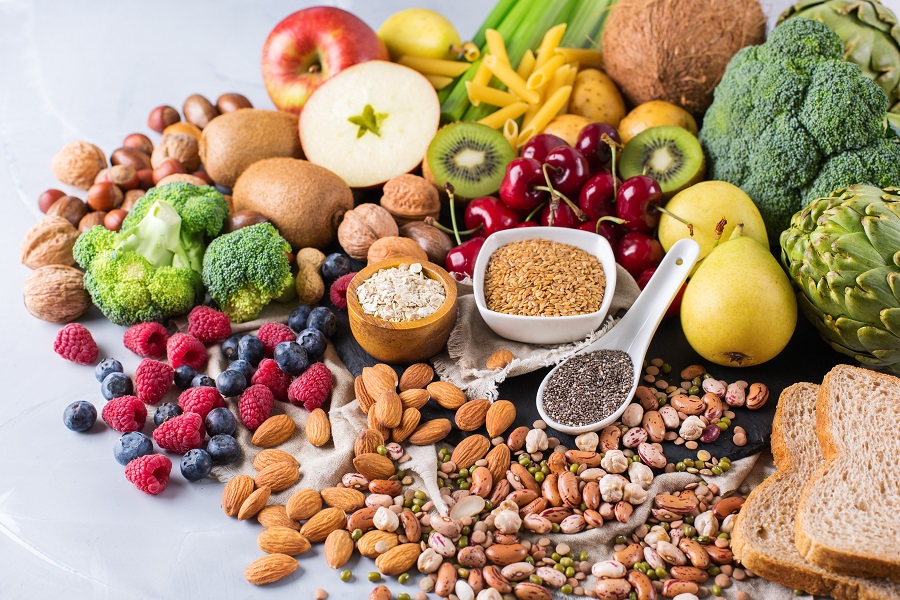

After protein powders and healthy fats dominated nutrition conversations for years, dietary fibre is finally having its moment. The latest buzzword doing the rounds online is “fibremaxxing” — a term used for the deliberate effort to eat more fibre through daily meals. While the name is new, the idea is not. At its simplest, fibremaxxing focuses on improving digestion, maintaining steady energy levels and supporting long-term health by prioritising fibre-rich foods.
For many Indian households, this trend is more a return to basics than a radical shift. Dal, vegetables, legumes, and whole grains have long been staples of traditional meals. But changing lifestyles, rushed workdays and reliance on refined or packaged foods mean fibre intake often falls short. Fibremaxxing reframes the conversation, encouraging people to bring back foods that quietly support overall health.
The approach involves planning meals so fibre appears consistently throughout the day. While the recommended daily intake is around 30 grams, most people consume far less, closer to 18 grams. That shortfall has consequences. Fibre, found in plant foods such as fruits, vegetables, lentils, beans, nuts, seeds, and whole grains, supports the body in multiple ways.
Some types of fibre add bulk to stool and help digestion stay regular. Others nourish beneficial gut bacteria, which in turn produce compounds linked to immunity, metabolism, and even mood. This is why fibremaxxing emphasises variety rather than relying on a single food or supplement. A balanced breakfast with oats, fruit, seeds, and nuts delivers far more benefits than isolated fibre additives.
Beyond digestion, fibre slows the absorption of carbohydrates, helping prevent sharp spikes and crashes in blood sugar. High-fibre meals are also more filling, which can support weight management without strict dieting. Over time, fibre-rich diets are associated with a lower risk of conditions such as type 2 diabetes, heart disease, and gut-related disorders.
The challenge, particularly in urban Indian diets, is consistency. Regularly skipping vegetables or choosing refined grains over whole ones gradually reduces fibre intake. Increasing fibre too quickly can also cause bloating or gas, so gradual changes matter. Simple steps — adding one fibre-rich food a day, choosing brown rice occasionally, keeping fruit skins on and drinking enough water make the transition easier.
Fibremaxxing is less about tracking numbers and more about building satisfying, balanced meals. In many ways, it highlights that some of the most effective health choices are already part of everyday cooking.