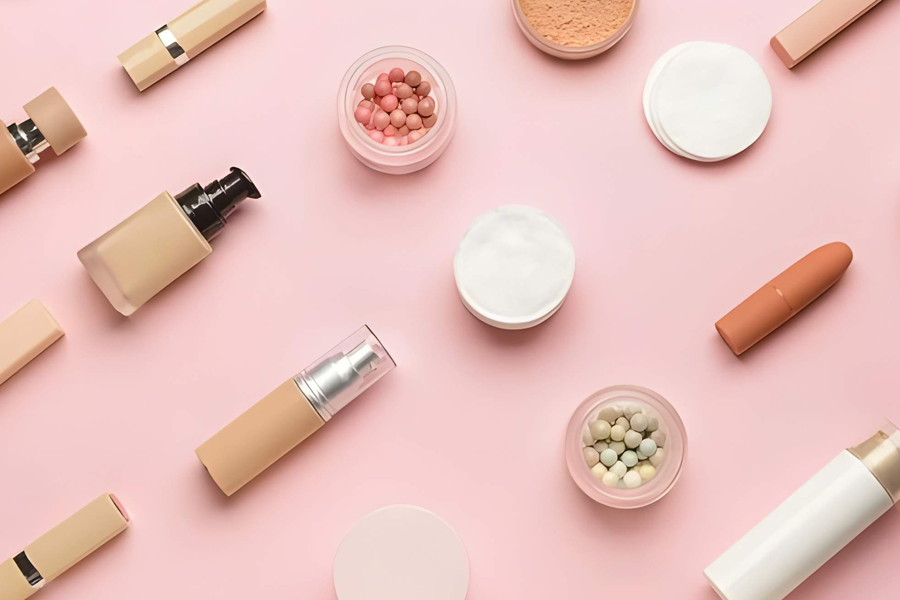

The European Union is set to impose strict limits on cyclopentasiloxane, a silicone ingredient widely used in foundation and complexion products, in a regulatory move that will force beauty brands across Europe to reformulate some of their most popular products. From June 2026, the EU will restrict concentrations of cyclopentasiloxane to 0.1 percent, effectively banning its use at levels that currently give foundations their signature glide, silkiness, and cushiony texture.
The restriction is not driven by safety concerns but by environmental impact. Cyclopentasiloxane persists in the aquatic environment, prompting the EU to intervene in order to control its concentration in waterways. For beauty brands, particularly those specialising in complexion products, the change represents a significant operational and financial challenge.
Brands that have built their identity around foundation and complexion ranges are among the most affected, as cyclopentasiloxane is central to the sensorial performance that consumers associate with premium makeup. Reformulating products to replicate the same texture and finish without the ingredient requires extensive research and development, rigorous testing, and careful financial planning. Products that cannot be reformulated in time will need to be pulled from shelves, adding further pressure to already stretched product development timelines.
Over the past 12 to 18 months, many brands have already begun identifying alternative ingredients that can deliver comparable performance. However, achieving the same level of smoothness and wearability without cyclopentasiloxane remains technically demanding, and results vary significantly across formulations and skin types.
The deadline leaves brands with just over a year to complete reformulations, update packaging, and clear existing stock from the market. For the beauty industry, the EU’s silicone restriction signals a broader regulatory direction of travel, where environmental sustainability is increasingly shaping ingredient choices and product development strategies across the global cosmetics sector.