
Probiotic skincare has moved from a niche shelf tag to a mainstream selling point, showing up on everything from cleansers to serums. But the term gets used loosely, and not every product that says “probiotic” is doing what you’d expect.
Probiotic skincare is a category of products formulated with live or live-derived bacteria strains meant to support, balance, or restore the skin’s natural microbiome. It’s one of three related categories, alongside prebiotic and postbiotic skincare. If you want the full side-by-side comparison of all three, that lives on our probiotics vs. prebiotics vs. postbiotics guide. Here, we’re focusing entirely on probiotics.
The Core Definition
Live or Live-Derived Bacteria Strains, Added Directly to a Formula
At its core, probiotic skincare means adding bacteria, or components derived from bacteria, directly into a cream, serum, or cleanser. The goal is to interact with your skin’s existing bacterial community rather than simply sitting on top of it.
The Common Strains
A handful of bacterial strains show up again and again in probiotic skincare formulas. The most common include:
- Lactobacillus species
- Bifidobacterium species
- Certain Streptococcus thermophilus strains
Each strain has its own studied benefits and formulation quirks, but that level of detail is outside the scope of this guide. We’ll be covering individual strains in a future ingredient-spotlight piece.
The Goal: Populating or Rebalancing the Skin’s Microbiome Directly
The underlying idea is straightforward. Your skin already hosts a complex community of microorganisms, collectively known as the skin microbiome. Probiotic skincare aims to add to, support, or rebalance that community directly, rather than working around it.
How Probiotic Skincare Is Supposed to Work
Crowding Out Harmful Bacteria
Beneficial bacteria are thought to compete with harmful, pathogenic bacteria for the same limited space and resources on your skin. In theory, a stronger population of “good” bacteria leaves less room for problem strains to take hold and multiply.
Supporting the Skin Barrier Indirectly
A healthy microbial community is closely linked to a healthy skin barrier. Some probiotic ingredients are formulated to support barrier function by encouraging a more balanced bacterial environment rather than by moisturizing directly.
Calming Inflammation and Redness
Certain bacterial byproducts appear capable of communicating with skin cells and dialing down inflammatory responses. This is one reason probiotic ingredients are frequently marketed toward reactive or easily irritated skin.
The Live-Bacteria Problem (Briefly)
Why “Live” Is Hard to Guarantee
Here’s the tension at the center of this whole category: preservative systems in skincare exist specifically to kill bacteria, not protect it. That’s what keeps a jar of moisturizer safe to use for months at room temperature. Formulation researchers note that live probiotics face steep viability challenges in cosmetic products, with survival rates dropping significantly within just a few months of storage.
What “Probiotic” Often Really Means on a Label
Because of this, most products labeled “probiotic” don’t actually contain living bacteria at all. Instead, they typically contain lysates, fermented extracts, or fragmented bacterial cells, ingredients derived from bacteria that have already been processed and are no longer alive. For the full breakdown of what’s actually alive in your jar (and what isn’t), see Live Bacteria vs. Bacterial Extracts.
What Probiotic Skincare Claims to Do
Brands in this category tend to make a fairly consistent set of claims:
- Calm inflammation and redness, by modulating the skin’s local immune response
- Strengthen the skin barrier, supporting its ability to retain moisture and resist irritants
- Balance bacteria linked to acne, by shifting the ratio of beneficial to problematic strains
- Support resilience against environmental stress, including pollution and UV exposure
These are the claims you’ll see across most product marketing. Whether the evidence actually backs each one up is a separate question, which we’ll dig into next.
Does Probiotic Skincare Actually Work?
This is the question most people searching for probiotic skincare actually want answered, so let’s be direct about it.
What the Evidence Supports
The research base here is real, but it’s still developing. A narrative review of topical probiotics found evidence that they modulate local immune responses, enhance antimicrobial peptide synthesis, inhibit pathogenic microorganism colonization, and support skin barrier regeneration. That’s a meaningful list of mechanisms, and it lines up with how proponents describe the category.
Specific conditions have gathered more evidence than others. Acne in particular has drawn dedicated research, including studies on targeted probiotic strains that showed shifts in skin microbiota alongside clinical improvement in acne patients.
What’s Still Unproven or Overstated
Here’s where the honesty matters. A broader review of the dermatology literature concluded that oral and topical probiotics appear effective for certain inflammatory skin diseases, but noted that few clinical trials exist, and most of those studied oral probiotics rather than topical ones. In other words, a lot of what we know about probiotics and skin comes from studies on what you eat, not what you apply.
There’s also a more fundamental issue: most “probiotic” products on shelves aren’t delivering live bacteria at all, for the formulation reasons covered above. That means many of the mechanisms studied for genuinely live probiotics may not fully apply to the lysate-based products most people are actually buying.
The Honest, Current Answer
Probiotic skincare isn’t a myth, but it’s also not a settled science. Some formulations, particularly those built around well-studied lysates, appear to offer real anti-inflammatory and barrier-supporting benefits. Others are riding the trend with little behind the label besides the word “probiotic” itself. The category is promising and worth watching, but it’s not yet the guaranteed fix its marketing sometimes suggests.
If you’re weighing whether to try it, treat probiotic skincare the way you’d treat any emerging category: with cautious optimism rather than blind trust. Look for brands that name a specific strain, link to published research, and are transparent about whether their product actually contains live bacteria or a processed derivative. That level of transparency is a reasonable proxy for how seriously a brand takes the science behind its claims.
Where You’ll Find Probiotics in Your Routine
Moisturizers and Barrier Creams
Probiotic ingredients show up frequently in moisturizers, where they’re paired with barrier-supporting actives. For product-specific picks and formulation details, see our probiotic moisturizers guide.
Serums
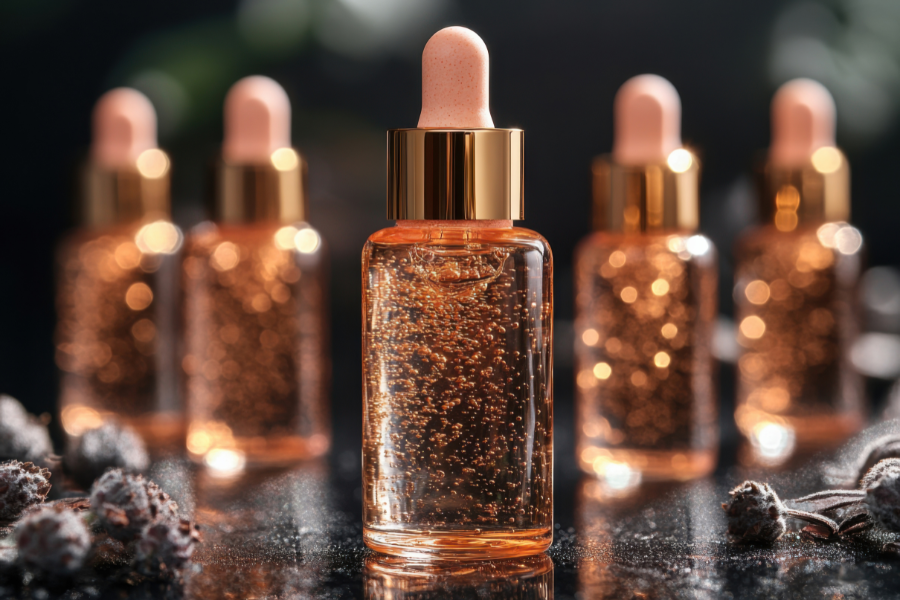
Serums are a common delivery format for concentrated probiotic lysates, since their thinner texture allows for higher active percentages. Our probiotic serums guide covers this format in depth.
Cleansers
Cleansers raise an obvious question: does rinsing a probiotic ingredient off your face cancel out any benefit before it can work? We cover that exact issue, along with product picks, in our probiotic cleansers guide.
Masks and Treatments
Probiotic ingredients also appear in weekly treatment masks, usually formulated to deliver a more concentrated, occasional dose rather than a daily one.
Who Probiotic Skincare Is Marketed To
Sensitive, Reactive, or Rosacea-Prone Skin
This is the group probiotic skincare targets most aggressively, given the category’s anti-inflammatory claims. We break down what actually holds up for this skin type in our probiotic skincare for sensitive skin guide.
Acne-Prone Skin
Because acne is linked to bacterial imbalance on the skin, probiotics are frequently marketed as a gentler alternative to harsher acne treatments. See our probiotics for acne guide for the specifics.
Eczema-Adjacent Dryness and Barrier Issues
People managing chronic dryness or a compromised barrier are another common target audience, given the category’s barrier-support claims.
How to Know If It’s Worth Adding to Your Routine
Signs It Might Help You
Probiotic skincare is worth considering if you deal with frequent redness or reactivity, a barrier that seems perpetually compromised, or acne that hasn’t responded well to more aggressive treatments. It’s also a reasonable option if your skin doesn’t tolerate strong actives well and you’re looking for a gentler approach. Some people also reach for it after a period of over-exfoliation or harsh treatment has left their skin feeling raw and reactive, since the category is generally marketed as low-risk and calming.
When It’s Probably Unnecessary
If your skin is generally balanced, tolerates actives fine, and isn’t showing signs of irritation or dysbiosis, probiotic skincare isn’t likely to add much. It’s not a category that tends to deliver dramatic results on skin that isn’t struggling in the first place. In those cases, your money is often better spent on ingredients with a longer, more established track record, like a well-formulated moisturizer or a proven active suited to your specific concern.
How to Patch-Test and Introduce It Slowly
Treat any new probiotic product the way you would any other active ingredient. Patch-test on a small area of skin, like the inside of your forearm, for a few days before applying it to your face. Once you’ve confirmed no reaction, introduce it slowly, using it every other day for the first couple of weeks before working up to daily use if your skin tolerates it well.