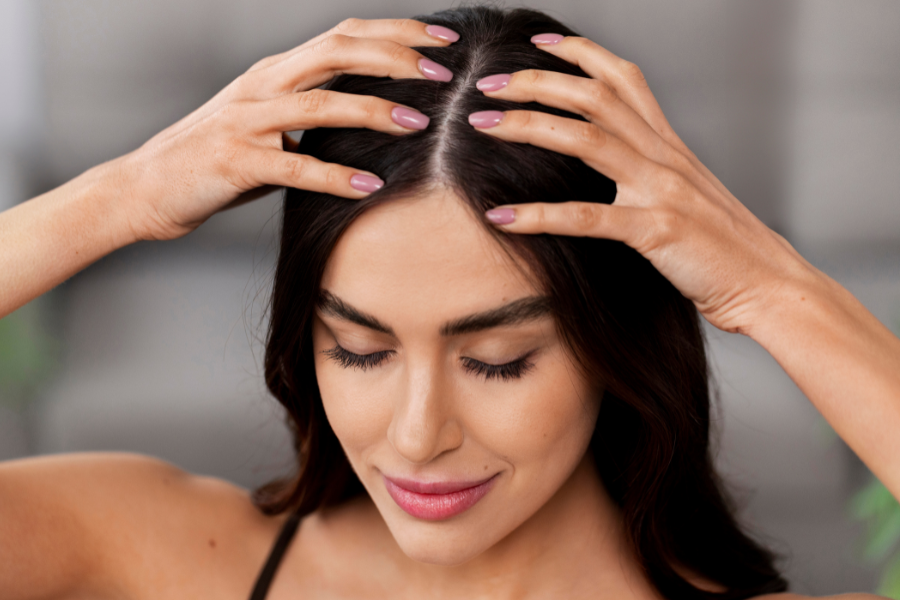

Every hair stylist has gone through this atleast once. A client that comes in and asks for a hair mask thinking it’ll fix their hair health. But the real problem is in the scalp.
The hair industry has finally shifted its focus from the hair strands to the roots and scalp. Scalp first hair care treats the scalp as skin that has pores and oil glands.
Long shiny hair is admired but the scalp health decides how hair grows, how it feels and how well a style lasts.
Scalp care was driven by Korean beauty and treatments that focus on proper cleansing of the scalp, massaging to stimulate circulation and adding hydration.
For salon owners this is more than a trend. You can use scalp care as a consultation service or retail category.
A Quick Read
Hair care is all about treating the scalp with serums, exfoliants and massages because healthy hair starts with a healthy scalp. For hair professionals the important part is to assess your client’s scalp needs and use the right products and techniques.
Hair Scalp Finally Gets Its Moment In 2026

Hair care enthusiasts have stopped talking about the ends and gone up the roots. What used to be skincare has now become important for the scalp as well. Hair scalp serums, exfoliating formulas and hydrating actives are now a part of scalp care.
The Korean philosophy is simple. A clogged, dry or imbalanced scalp will not grow the healthiest hair.
Personalization Aspects In Scalp Care
Salons now have scalp analysis tools that show individual oil levels, hydration and hair follicle condition. Even without a device you can do a scalp health analysis for clients and build the same trust.
How To Read Your Clients Scalp
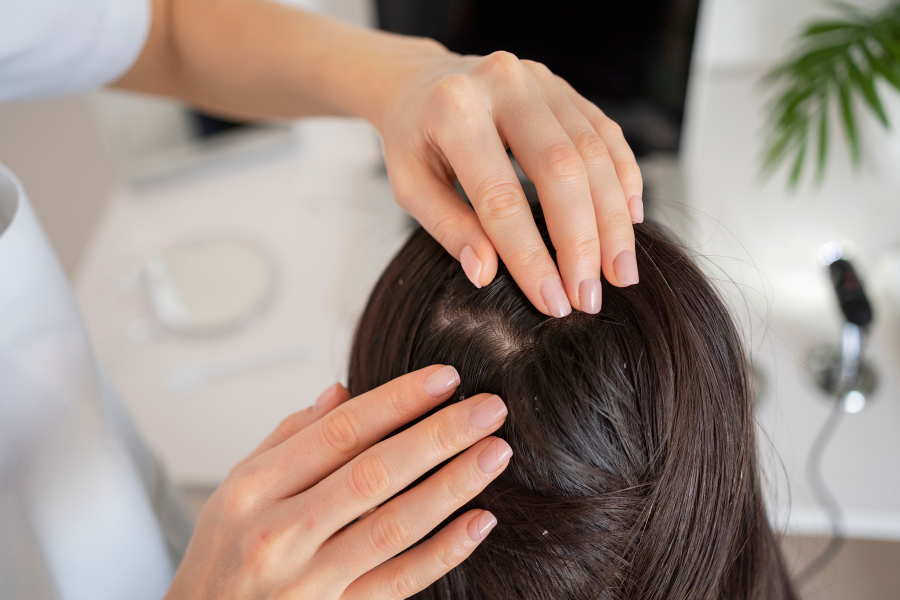
The best scalp care service starts with an analysis, not a product. First check your client’s scalp skin and then make a call.
Scalp Care Cheat Sheet For Pros
| Type Of Scalp | What You See | What It Needs | Salon Suggestion |
| Oily | Roots fall flat within a day of hair wash and there’s shine in hair when you part it. | A gentle cleanser for daily use, a clarifying shampoo for weekly use and conditioner for lengths only. | An exfoliating pre-wash treatment and then a lightweight scalp serum. |
| Dry | The scalp feels tight, there are small white flakes and greasiness. | A moisturizing cleanser, nourishing scalp serum and fewer washes a week. | A scalp massage with a hydrating scalp serum. |
| Dandruff-prone | Visible flakes with oily or irritated scalp and frequent itching. | Anti-dandruff actives are to be used consistently. | Anti-dandruff treatment with at home care instructions. |
| Sensitive | Redness on scalp and bumpy texture. | Sulphate-free and gentle formulas and avoiding scrubbing the scalp. | A soothing, scrub-free scalp care service. |
| Thinning | A wide hair part and increased hair shedding. | Gentle care and massage that supports the scalp. | A honest consultation. |
The Split Routine For Oily Scalp And Dry Hair

Greasy roots and brittle ends are a common concern. Most people make the mistake of treating the scalp and hair strands as one. But you need a split routine.
Focus the shampoo usage on the scalp and let the lather travel down the hair lengths. Use a clarifying shampoo once a week to get a deeper cleanse. Apply conditioner on the mid-lengths and ends. Use a hair mask weekly for dry, colored or heat-styled hair. This ensures your oily scalp gets cleansed and the dry strands get moisturized.
The Scalp Wash You Can Offer
Shampoo The Roots, Condition The Lenghts
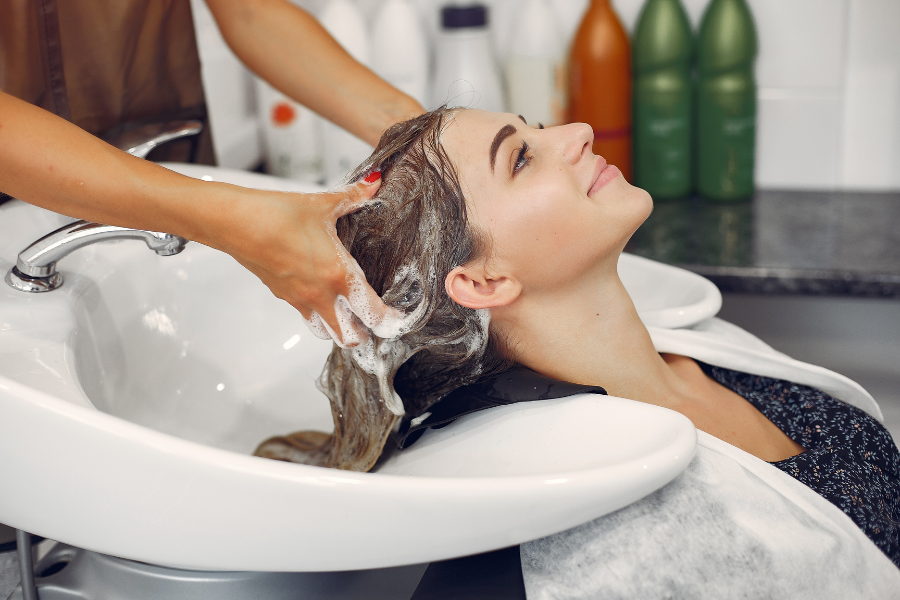
To ensure scalp health, avoid the full-length lather. Apply shampoo to the scalp and let the lather get carried to the length. Apply conditioner on the lengths and ends.
Choose a gentle formula free of sulphates that will help keep the moisture barrier intact. Sulphates strip the natural oils in your scalp that protect and hydrate it. This leads to excess production of oil making your scalp oily.
Wash Gently, Rinse Thoroughly
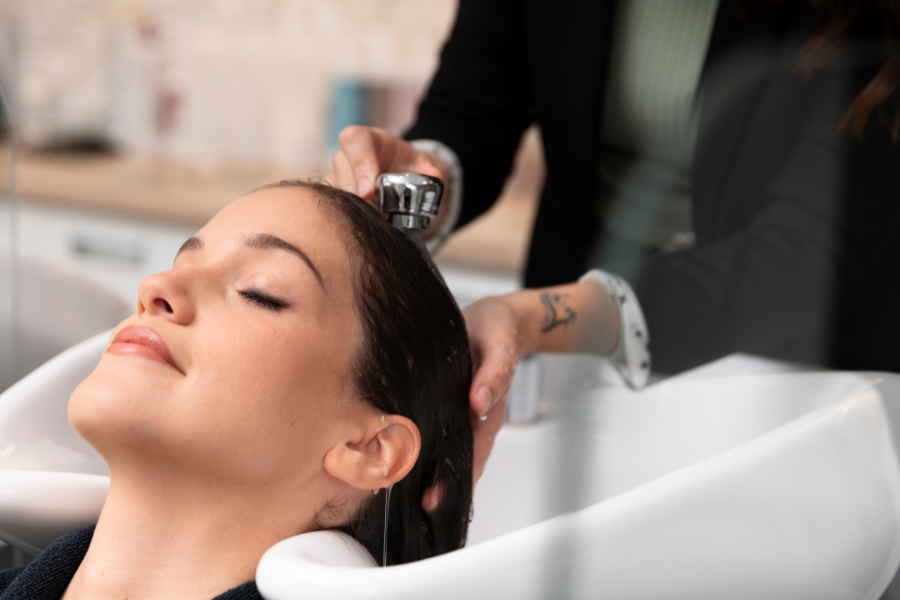
Here’s how to wash hair gently:
Use fingertips and apply gentle pressure, don’t scratch the scalp with nails, move in small circles. Rinse the hair and scalp till the water runs clear. Don’t leave any residue as it can lead to itching and flakiness.
The frequency of hair wash considers the scalp and not the trend. Oily scalps need more washes with gentle cleansers and dry or sensitive scalps have weekly washes and add a moisturizer.
Scalp Massage
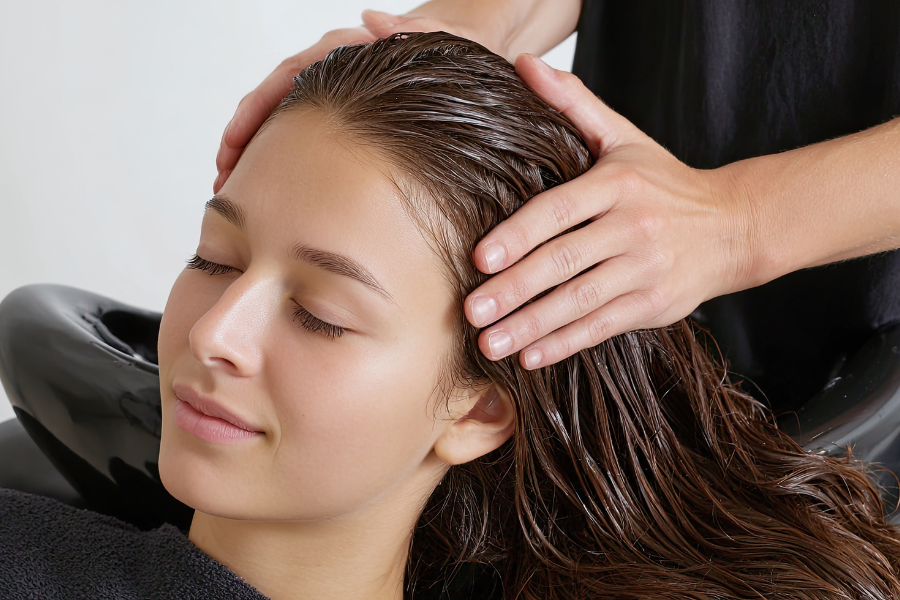
Scalp massage is an old ritual that can be easily upsold. It helps your client relax down, releases any tension stored in their scalp and stimulates blood flow to the hair follicles. A quick massage before hair wash can feel like you’re offering a luxurious hair spa session.
What Professional Research Says About Massage And Hair Growth
A 2016 study had 9 healthy men receive 4 minutes of standard scalp massage every day for 24 weeks. It was found that it had a small effect on hair thickness. But it did not measure hair regrowth in balding scalps.
So massage supports scalp condition and may help thicken existing hair strands but it does not reverse hair loss.
Treat The Hair Scalp Like Skin
Weekly Exfoliation
Product residue and dead skin can cause buildup on the scalp and block the hair follicles. A weekly scalp scrub or exfoliation treatment such as a salicylic acid treatment helps clear the buildup. Exfoliation should be done weekly on oily scalps and skipped for sensitive scalps.
Hydrate And Protect
Scalp serum uses ingredients such as hyaluronic acid, tea tree and peppermint that help keep the scalp skin balanced. Use formulas that don’t leave roots greasy and coated. Use leave-in products with UV filters during daytime.
Dandruff and Itchy Scalp
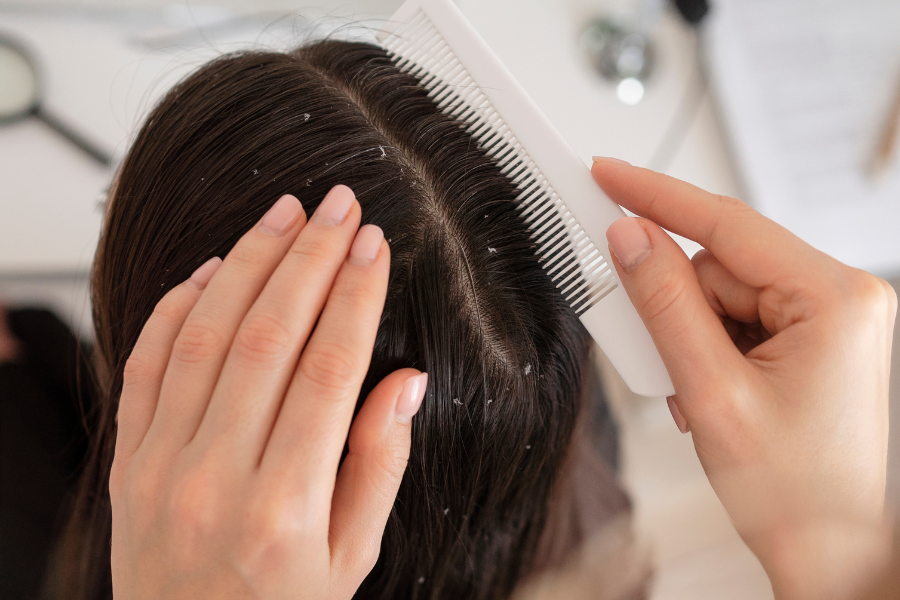
Dandruff is linked to the overgrowth of Malassezia yeast and not just a dry scalp. That is why hydration alone doesn’t work. You need to use antifungal actives that target the bacteria.
When caring for an itchy scalp check for 3 causes, flaking, product residue and sensitivity. Rinse your scalp thoroughly, stop using any products that cause irritation and keep your scalp care routine gentle.
Suggest This Scalp Care Routine To Your Clients
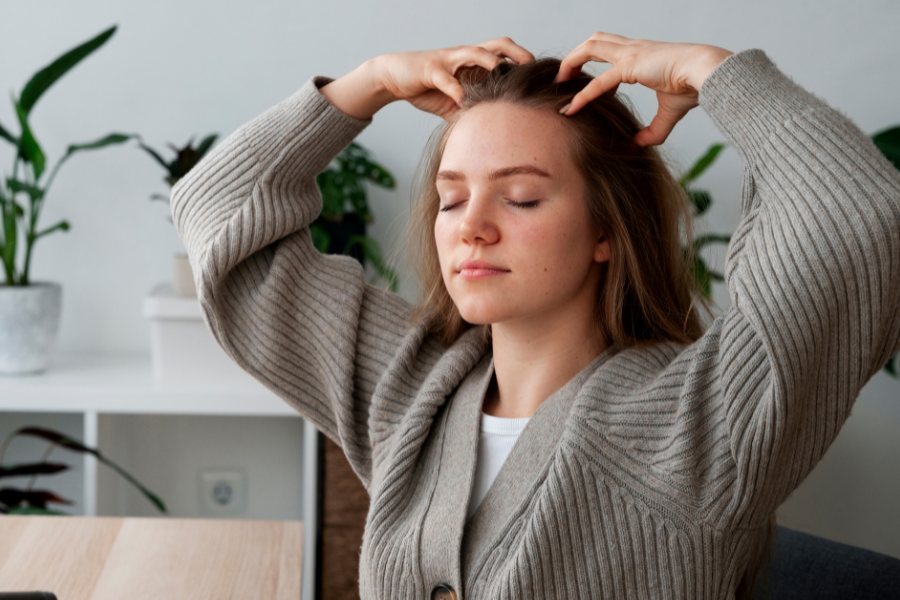
- Massage the scalp for 2 minutes before hair wash.
- Cleanse using a gentle shampoo with a focus on the scalp and use the lather on the lengths.
- Use conditioner only on mid-lengths and ends.
- Exfoliate once a week or use a clarifying shampoo on oily scalps only.
- Use a lightweight scalp serum and protect with an SPF-infused leave-in product.
The Final Word
Scalp care brings into perspective the correct order for beautiful hair, that is healthy scalp skin first and then healthy hair. As a professional, you need to analyze your client’s scalp before suggesting any product or treatment.
You can also suggest scalp care massage and exfoliation as a service to your clients. Once you start recommending your clients on scalp care, they’ll trust your service more.
Questions About Scalp Care
What is a good scalp care routine?
A good scalp care routine involves 5 key steps. Massaging before hair wash, cleaning the scalp gently using a sulphate-free shampoo, conditioning the mid-lengths and ends only, exfoliating treatment once a week and applying a scalp serum.
How to improve scalp care?
To improve your scalp care routine for healthy hair, make sure to concentrate the shampoo on the scalp during hair wash. Apply conditioner only on the hair strands and not the scalp. Do an exfoliation treatment once a week for oily hair. And apply a hydrating scalp serum for dry hair.
Is scalp care necessary?
Yes, scalp care has now become an important routine for healthy hair. The scalp has pores, oil glands and follicles like any paft of your skin. Oily, clogged or dry scalp can lead to itching, dandruff and weak hair.
How do I maintain my scalp health?
To maintain your scalp health use a sulphate-free cleanser and wash your scalp thoroughly. Massage your scalp to stimulate the blood flow and use a scalp serum for hydration. Also use UV protection on your scalp.
What are signs of a healthy scalp?
A healthy scalp feels comfortable without any itching, tightness or flaky skin. The scap tone looks even without any redness or bumps. The oilyness is balanced and hair doesn’t shed too much.