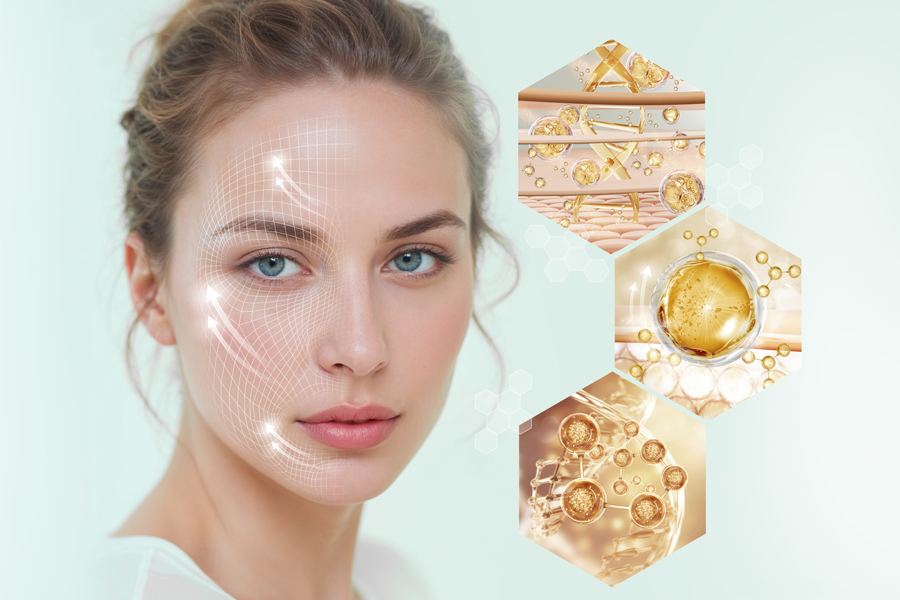

The beauty industry has always been driven by innovation, but its latest shift isn’t about the next miracle ingredient or age-defying treatment. It’s Cellness, or cellular wellness —a growing movement that focuses on maintaining skin health and function at a cellular level, rather than simply correcting visible signs of aging.
As clients become more informed and increasingly seek preventative, science-backed solutions, professional skincare is evolving from quick cosmetic fixes to long-term skin longevity. For professionals, this means rethinking treatment menus, investing in evidence-based technologies and positioning themselves as partners in their clients’ skin health journey rather than providers of one-off beauty services.
To better understand this emerging trend, StyleSpeak spoke to Dr. Shefali Trasi Nerurkar, MBBS, MD (Dermatology), Consultant Dermatologist at Dr. Trasi Clinic and La Piel Skin Clinic, about what cellness really means, the science behind today’s regenerative treatments, and why prevention is replacing correction in professional skincare.
What is Cellness?
Professional skincare is entering a new phase—one centred on an emerging beauty concept focused on maintaining healthy, resilient skin at a cellular level.
Dr. Shefali explains that this marks a fundamental shift in how skin ageing is viewed. “Cellness shifts the focus from treating visible signs of ageing to preserving the health and function of skin cells. Instead of chasing temporary cosmetic improvements, it aims to strengthen the skin’s ability to repair, regenerate and defend itself,” she says.
At the heart of this approach, she adds, are healthy collagen production, a resilient skin barrier and balanced inflammation. “The goal is not to stop ageing but to help the skin age in a healthier, stronger and more graceful manner. In short, we have started following ‘pre-juvenation’ of the skin rather than ‘rejuvenation’.”
For salon professionals, this means shifting the conversation from age reversal to skin longevity and making clients understand that consistent, preventive care often delivers better long-term results than corrective treatments alone.
What’s driving it?
The shift towards cellness isn’t happening in isolation. It’s being fuelled by a new generation of clients who are more informed, more proactive and increasingly willing to invest in long-term skin health rather than quick cosmetic fixes.
Dr. Shefali believes a growing preference for prevention over correction drives this change. “Today’s consumers are better informed and increasingly value prevention over correction. They understand that consistent skincare, sun protection, and scientifically proven treatments provide lasting improvements compared to temporary fixes,” she says.
She also points to a growing preference for natural-looking results. “Patients are investing in treatments that improve skin quality rather than dramatically alter appearance,” she notes. This explains why younger clients are embracing the idea of pre-juvenation—taking steps to preserve skin health before visible signs of ageing appear.
The result? Regenerative skincare is no longer a niche conversation. It’s influencing treatment menus across salons, medi-spas and aesthetic clinics alike, with therapies that support skin health and longevity taking centre stage.
Inside the Cellness Treatment Menu
The cellness movement has brought a new wave of regenerative treatments into the spotlight. Some focus on stimulating the skin’s natural repair mechanisms, while others support healing and improve overall skin quality.
Microneedling
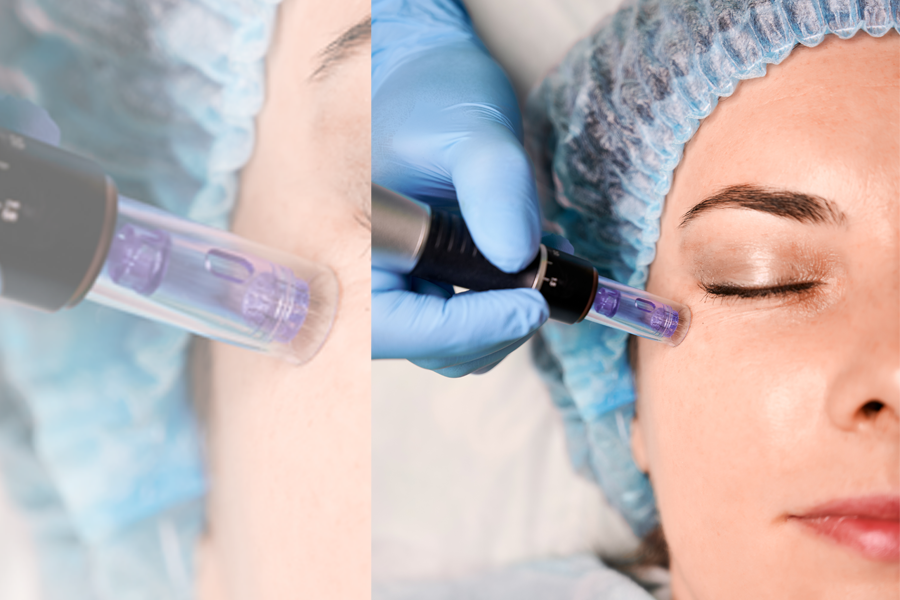
It is one of the most established collagen-induction procedures, in which fine needles are used to create controlled micro-injuries in the skin. This triggers the body’s natural wound-healing response, encouraging the production of collagen and elastin while improving skin texture, reducing fine lines, and fading acne scars.
Fractional laser treatments
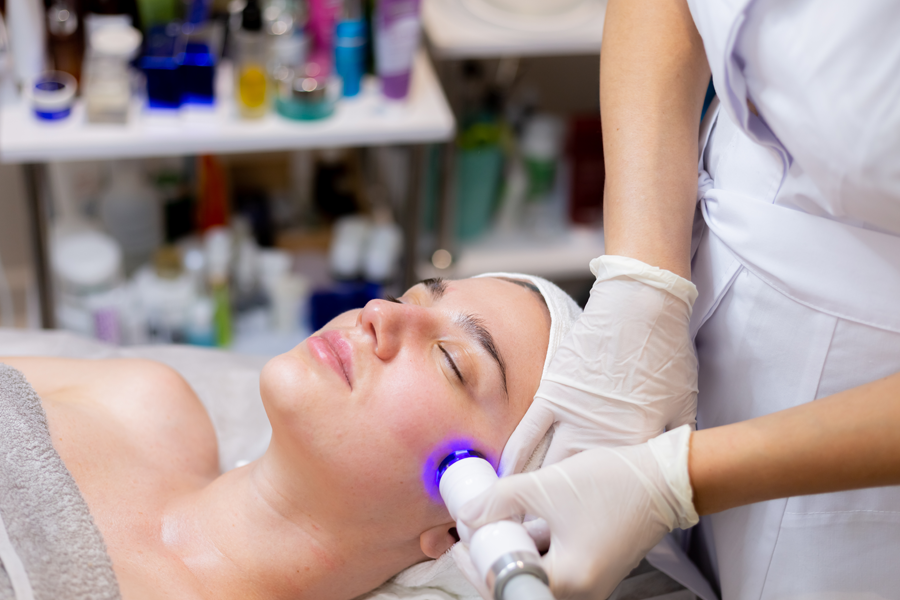
They work on a similar principle but use laser energy instead of needles. By creating microscopic treatment zones in the skin while leaving the surrounding tissue intact, they stimulate collagen remodelling and skin renewal, resulting in relatively faster healing than traditional ablative lasers.
Exosome Treatment
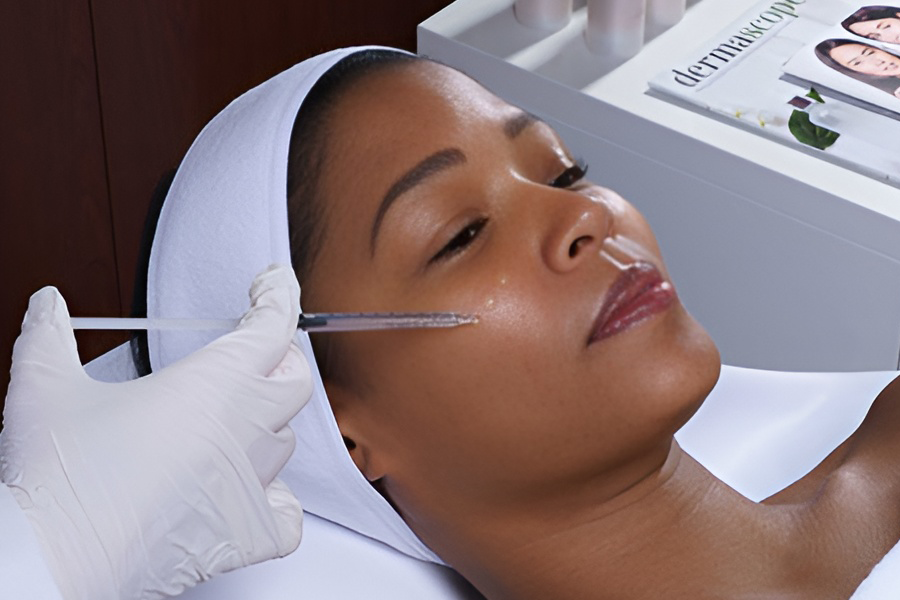
Exosomes are among the newest concepts generating interest in aesthetic skincare. These tiny extracellular vesicles help cells communicate by carrying growth factors, proteins and signalling molecules.
In aesthetics, exosome-based treatments are being explored for their ability to support tissue repair, reduce inflammation, and improve healing after procedures such as microneedling or laser treatments.
However, Dr. Shefali points out: “Exosome therapy is a promising regenerative option, but long-term clinical evidence and standardisation are still evolving.”
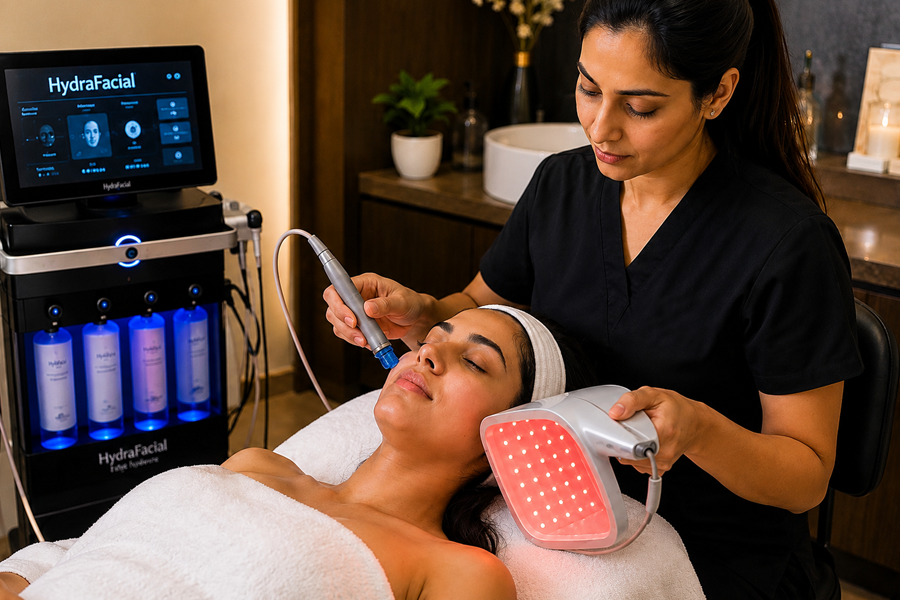
Red-light Therapy
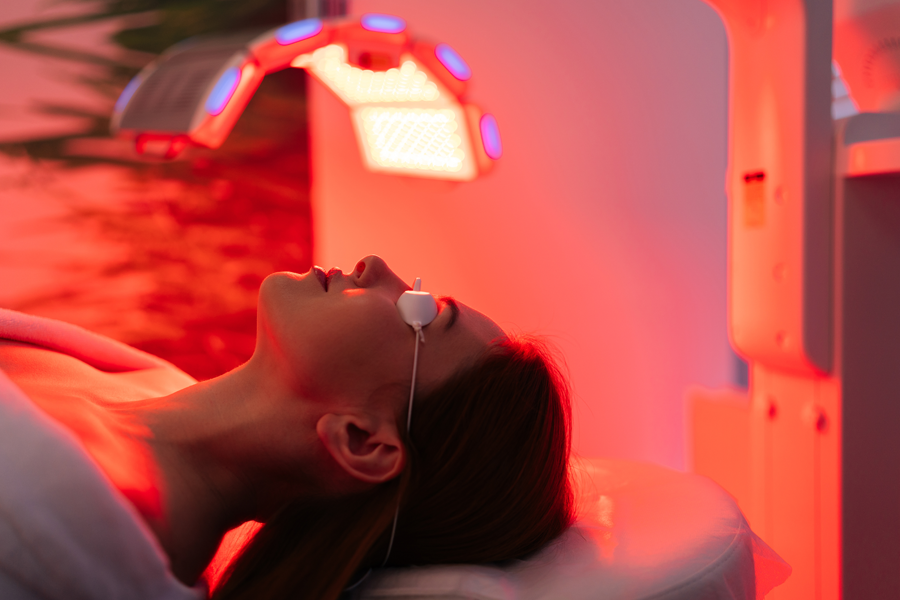
It uses specific wavelengths of red and near-infrared light to stimulate cellular activity. Dr. Shefali notes that “red-light therapy has shown benefits in reducing inflammation and supporting collagen production.” For professionals, its appeal lies in its non-invasive nature and ability to complement other skincare protocols, particularly for clients looking for gradual improvements in skin quality.
Cellness Initiatives
Going beyond these procedures, theCellness movement is also changing how professionals think about skin health. Instead of focusing only on correcting visible signs of ageing, there is growing emphasis on protecting the skin barrier and preserving collagen before its natural decline.
One concept gaining traction is collagen banking—the idea of investing in the skin’s collagen reserves early rather than rebuilding them later. As Dr. Shefali explains, “Collagen banking refers to preserving collagen before significant age-related decline occurs. Although the phrase is largely marketing terminology, the biological principle is valid.” She adds that starting preventive treatments in the late twenties or thirties, combined with sun protection and healthy lifestyle habits, may help maintain collagen reserves and delay visible ageing.
Similarly, skin barrier repair has become an integral part of regenerative skincare. A healthy skin barrier helps retain moisture, defend against environmental aggressors, and recover more quickly after professional procedures. Increasingly, professional skincare protocols are placing barrier health at the centre of treatment plans.
Why Lifestyle Still Matters More Than Any Procedure
But as Dr. Shefali points out, healthy skin isn’t built through in-clinic procedures alone. Lifestyle factors remain the cornerstone of healthy skin. Daily sunscreen, appropriate skincare, adequate sleep, a balanced diet rich in antioxidants and sufficient protein all support collagen production, barrier function and cellular repair.
“Even the most advanced in-clinic procedures cannot compensate for poor daily habits or chronic sun damage” she adds.

As regenerative skincare continues to evolve, it’s also important to keep expectations grounded. As Dr. Shefali reminds us, no single procedure can stop biological ageing. The best outcomes come from an evidence-based approach that combines professional treatments with consistent skincare, healthy lifestyle choices and realistic expectations.