
From flat roots to scalp concerns, here is what high humidity does to hair, and how hairdressers can fix it
Words | Rohini Wahul
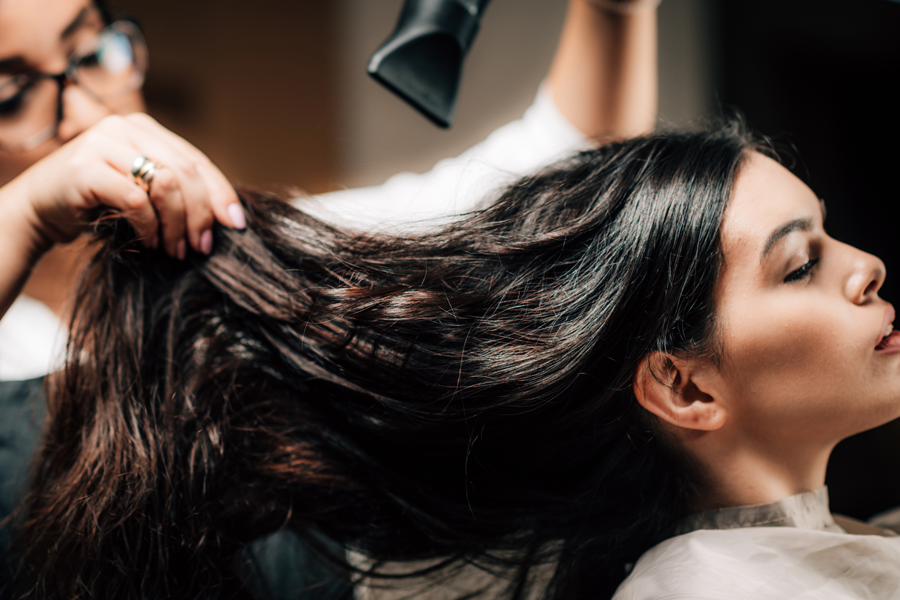
You can spend thirty minutes blow-drying a client’s hair to perfection. Five minutes after she steps out of the salon it has doubled in volume, lost its shape or turned into a halo of frizz. Humidity is every hairstyle’s biggest test and understanding exactly what it does to hair is the foundation of managing it effectively.
Why Hair Misbehaves in Humid Weather
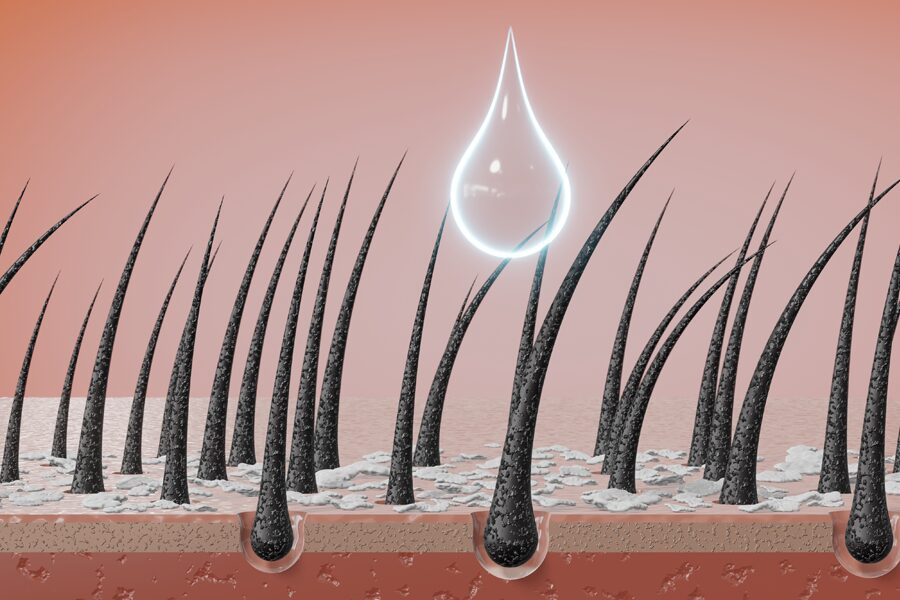
Hair is hygroscopic, meaning it actively absorbs moisture from the surrounding environment. When humidity levels rise, water molecules enter the hair shaft and disrupt the hydrogen bonds that hold a hairstyle’s shape in place. The hair swells, bends and loses its smoothness. Hair with damaged or lifted cuticles absorbs moisture far more readily, making it especially vulnerable. High-porosity, chemically treated, curly and dry hair types are typically the first to react and the most difficult to manage once they do.
Why Some Hair Types Struggle More
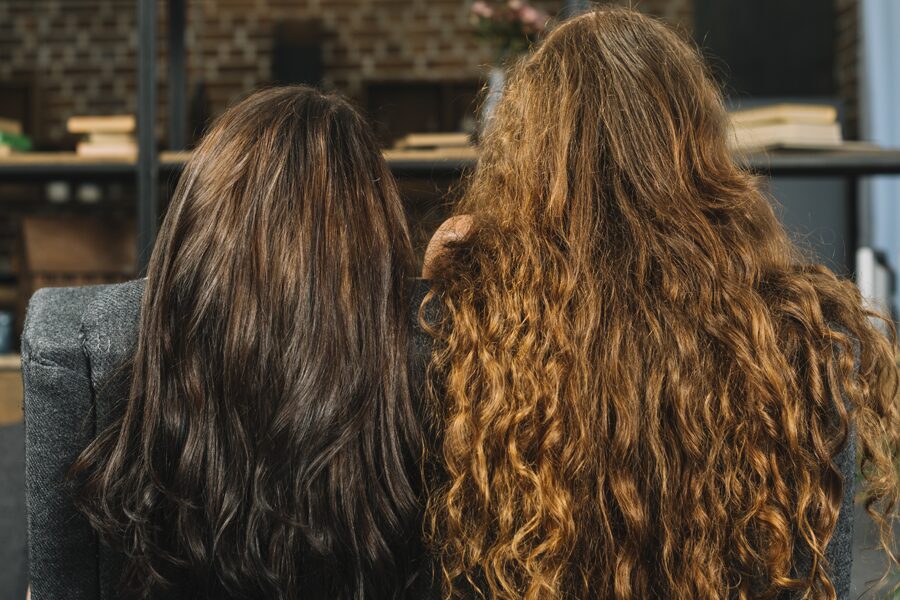
Curly and wavy hair is naturally drier because scalp oils cannot travel as easily down the strand, leaving it more prone to pulling moisture from the air. Chemically treated hair, whether coloured, bleached or smoothed, has a weakened cuticle that allows humidity to penetrate faster. Fine hair tends to lose volume at the roots while developing flyaways around the crown. Coarse hair absorbs atmospheric moisture readily, leading to swelling and significant frizz.
Knowing your client’s hair type and history is the first step in building the right humidity defence.
The Most Common Client Complaints This Season
- Frizz and flyaways are the most visible effect, caused by a raised cuticle that makes strands appear rough and undefined.
- Flat roots occur when excess moisture weighs hair down and collapses the style.
- Breakage increases when already damaged strands cycle repeatedly through swelling and shrinking.
- Scalp concerns e.g. sweat, oil buildup, dandruff and irritation also spike during monsoon months, with all becoming more common due to trapped moisture and environmental pollution.
Professional Strategies That Work
The most counterintuitive but most effective starting point is hydration.
- Dry hair frizzes more because it pulls aggressively from the atmosphere. Well-moisturised hair is far less likely to absorb excess moisture from the air.
Recommend: moisturising shampoos, nourishing conditioners and weekly deep-conditioning masks to clients throughout the season.
- Sealing the cuticle is equally critical to prevent atmospheric moisture from entering.
Recommend: Leave-in conditioners, anti-frizz creams and lightweight serums create a protective barrier around the hair shaft.
- Protein and moisture must be balanced: protein treatments reinforce the hair shaft and reduce humidity sensitivity, while moisturising treatments prevent brittleness.
Recommend: Finding the right balance for each client’s hair type is where professional expertise makes the real difference.
- Reducing friction is often overlooked but highly effective.
Recommend: Microfibre towels, gentle detangling from ends upward and silk or satin pillowcases all significantly reduce frizz by minimising the mechanical stress that lifts the cuticle.
- Limiting excessive heat styling is also essential during this season, as repeated heat damage increases porosity and makes hair far more susceptible to humidity.
Recommend: A heat protectant is non-negotiable when thermal tools are in use.
Salon Opportunities This Season
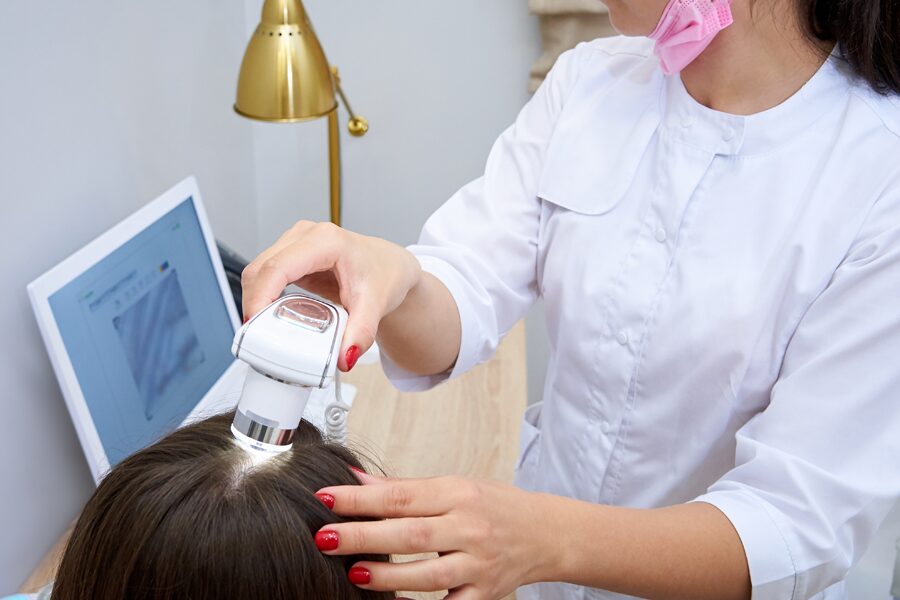
High humidity creates genuine demand for targeted professional services. Deep hydration rituals, hair spa treatments, bond-repair therapies, anti-frizz smoothing services, scalp detox treatments and professional blow-dry maintenance programmes are all services clients are actively seeking right now.
Monsoon season is not just a challenge for your clients. It is a significant opportunity to position your salon as the expert destination for hair health, moisture balance and frizz management.
The Expert Takeaway
Humidity does not create frizz. It exposes existing weaknesses in the hair fibre. Hair that is hydrated, protected and structurally healthy will always perform better in challenging weather. The focus must shift from fighting frizz as a surface issue to strengthening the hair from within. Healthy hair is the most effective anti-humidity strategy there is and that conversation starts in your salon chair.