
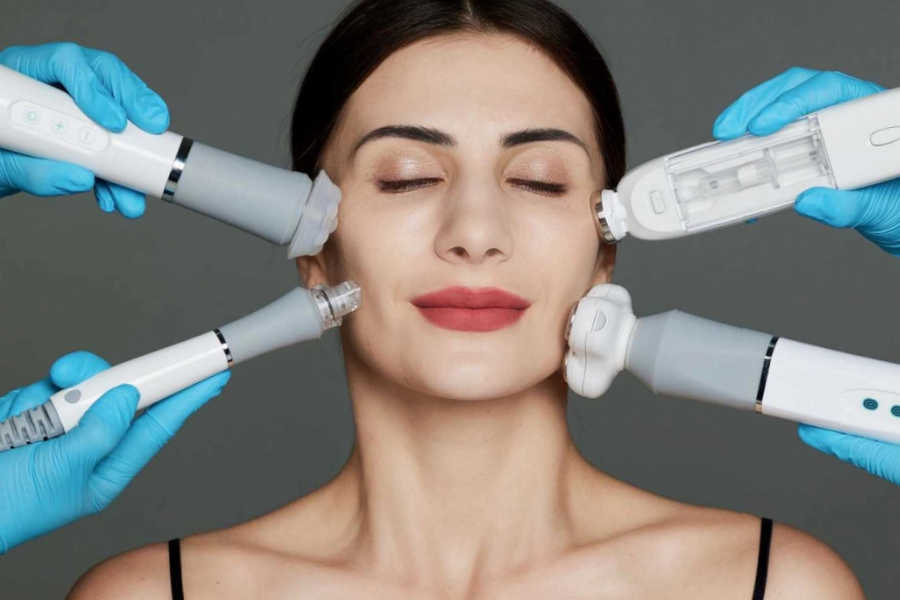

From skin analysis suites to hydra-dermabrasion platforms, professional beauty gadgets are redefining what salons can deliver and what clients expect
Words: Kathakali Dutta
The beauty treatment room of today looks nothing like it did a decade ago. Where a magnifying lamp and a facial steamer once sufficed, modern salons now house skin analysis systems, LED therapy panels, radio-frequency devices, and hydra-dermabrasion platforms. Client expectations have shifted in step: people arrive at the salon having already researched their concerns, and they expect professionals to match that knowledge with technology-backed solutions.
Vaishali Shah, Founder and Education Head at LTA School of Beauty, and Disha Mehr, Business Coach at 5 Elemeents Consultancies, break down which devices are earning their place on the counter, what makes a gadget worth the investment, and where industry enthusiasm may be outpacing the evidence.
Demand Flows Towards Devices That Deliver Visible Results
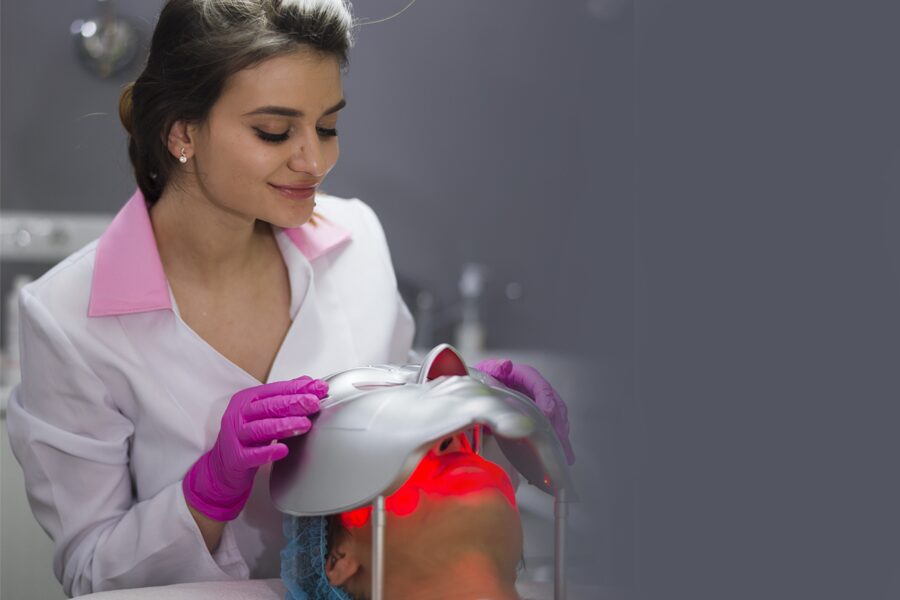
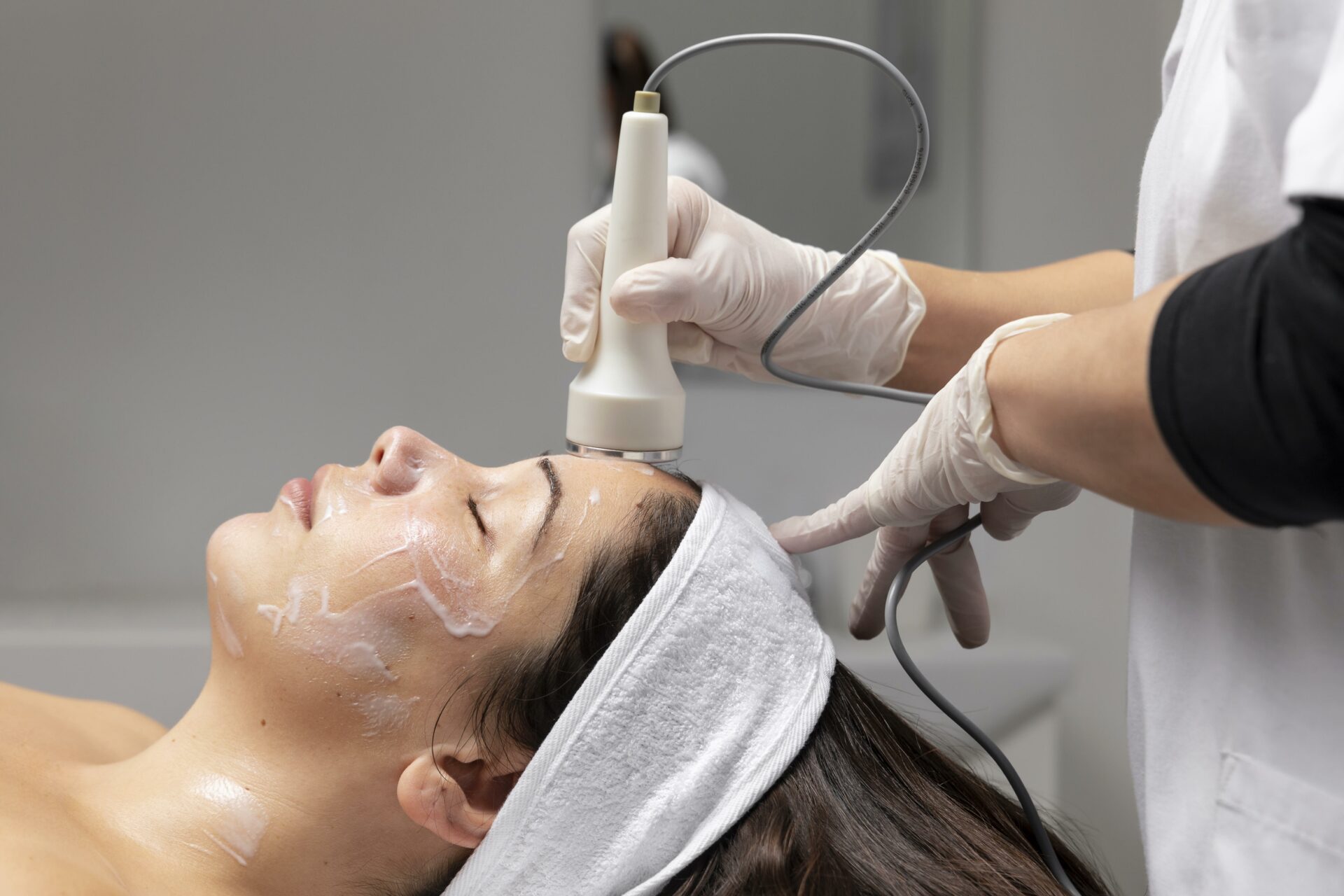
The gadgets commanding the strongest professional interest share a common trait: they combine clinical credibility with versatility. According to Vaishali Shah, LED light therapy devices top the demand list for their ability to address acne management, inflammation reduction, skin rejuvenation, and post-treatment recovery within a single modality. Advanced skin analysis systems follow close behind, transforming the consultation from a subjective conversation into an evidence-led exchange. Radio frequency devices for non-invasive skin tightening, microneedling and RF microneedling for collagen stimulation and scar revision, ultrasound platforms that enhance product penetration, and hydra-dermabrasion systems that combine cleansing, exfoliation, extraction, hydration, and serum infusion in a single pass complete the picture. The direction of travel, Shah notes, is clear: the industry is moving towards technologies that support personalisation, skin health, and long-term results rather than quick-fix beauty solutions.

The industry is moving towards technologies that support personalisation and long-term skin health, rather than quick-fix beauty solutions
— Vaishali Shah, Founder & Education Head, LTA School of Beauty
Skin Analysis and LED Therapy Transition From Add-On to Essential
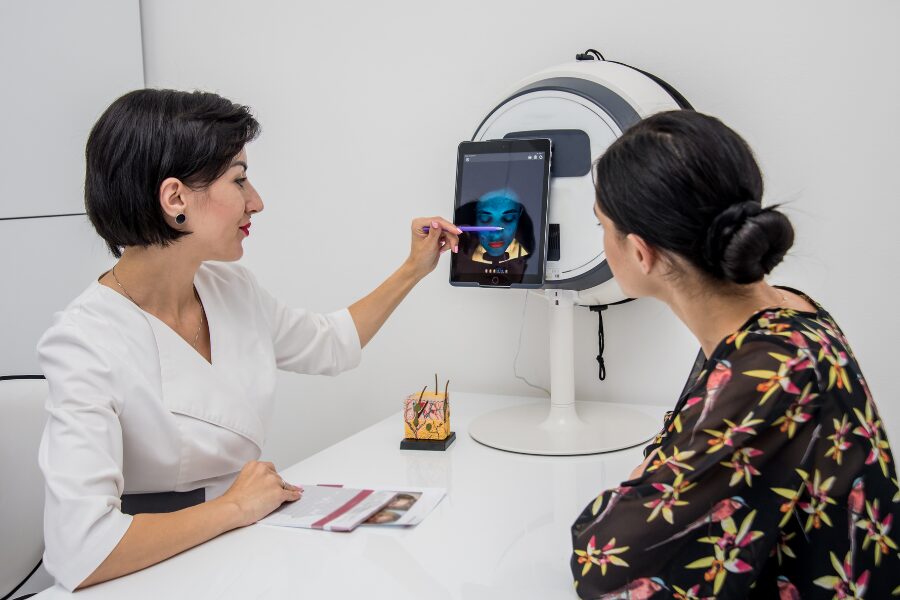
Both technologies are transitioning from optional upgrades to standard equipment in professional skincare practice, Shah observes. Skin analysis devices allow professionals to identify underlying concerns not visible to the naked eye, build client confidence through visual progress tracking, and anchor the treatment plan in objective data.
LED therapy has earned its place as a treatment-room staple by complementing facials, peels, and microneedling while delivering results with minimal discomfort or downtime. Together, these two categories represent not only the most commercially popular technologies in the space but the ones most likely to change how professionals plan and communicate client care.
HydraFacial Draws Informed Clients and Demands Rigorous Protocols
From the salon floor, Disha Mehr observes that hydro-dermabrasion technologies continue to generate the strongest client curiosity, driven by their combination of immediate, visible results and a comfortable, non-invasive experience. What has shifted noticeably is client sophistication. People arrive asking which serums and boosters are being used, whether the treatment suits their specific skin condition, and how frequently they should book. This places greater responsibility on the professional, Mehr notes. The outcome depends entirely on proper skin assessment, appropriate product selection, correct suction settings, and a protocol built around the individual client, not a standardised menu option applied to everyone.
A Good Device Has a Clear Purpose, a Gimmick Has Only Claims
The line between credible technology and marketing noise comes down to a consistent set of criteria, according to Mehr. A sound skincare device must define the concern it addresses, explain how its technology works, specify who it is suitable for, and be equally clear about who should not use it. Results must be realistic and measurable. A device becomes questionable, Meher argues, when it makes exaggerated promises, claims to treat every skin concern, or relies more heavily on marketing language than on safety data and clinical evidence. Even where the technology is credible, trained operation, correct settings, contraindication checks, hygiene, and aftercare remain non-negotiable. A credible technology can deliver poor results or cause complications when used incorrectly.

A device becomes questionable when it makes exaggerated promises or relies more on marketing language than on safety, evidence, and a well-designed protocol
— Disha Mehr, Business Coach, 5 Elemeents Consultancies
At-Home Gadgets vs Professional Treatments: Where the Line Falls
At-home devices operate at lower, consumer-safe intensities. With consistent use, they can support the skin and maintain results between professional appointments. What they cannot replicate is the degree of assessment, customisation, treatment intensity, and professional supervision available in a salon or clinic, Mehr points out. Professional treatments allow the practitioner to evaluate the skin before every session and modify the protocol based on the client’s response, a distinction that matters most for active acne, significant pigmentation, scarring, or advanced ageing. The future lies not in choosing between home care and professional care, but in integrating the two: professional treatments for targeted correction, suitable at-home devices for maintenance, and consistency between visits.