
Makeup brushes are getting smarter, cleaner, and more useful. Here is what every MUA needs to know.
Words | Kathakali Dutta
While brushes do not get talked about as much, they are on every face you work on. And right now, they are changing fast. The global makeup brush market was worth USD 3.45 billion in 2024. It is expected to cross USD 5.67 billion by 2033. That growth is being driven by real.
Here is a breakdown of what is happening.
Better Bristles
Synthetic bristles are now the industry standard. They are cruelty-free, easy to clean, and work well with both cream and powder products. But the newer ones do a lot more. Brands are now making synthetic fibres that pick up less product and blend more evenly. This means less waste, which matters when you are working on multiple clients a day.
Plant-based bristles made from bamboo, hemp, and corn fibre are also arriving in professional ranges and some of them now come with an antimicrobial coating on the bristles. For back-to-back salon use, that is a real hygiene upgrade.
New Brush Types Worth Knowing
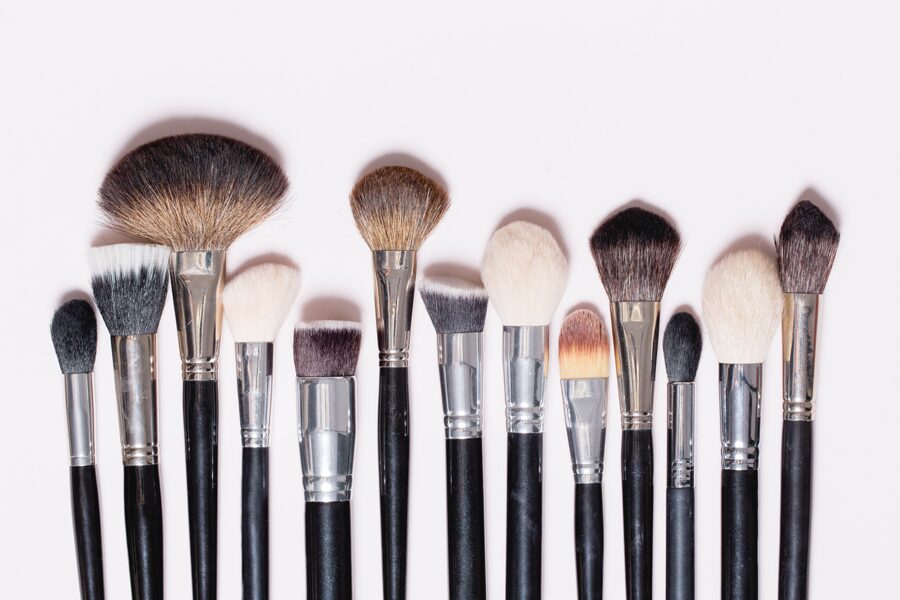
Here are the brush categories that has expanded well beyond the basics.
- Modular brushes let you swap the head — one handle, multiple uses. Foundation, contour, eye — all from the same tool. Less clutter in the kit, more versatility at the chair.
- Micro-tip liner brushes are now mainstream. Clients want precise liner and cut-crease work. A fine synthetic tip makes that easier and faster.
- Skincare-hybrid brushes are built for serum and SPF blending. As more clients combine skincare steps with their makeup routine, this brush fills a real gap.
- Dual-ended brushes — fan on one end, contour on the other, or blender paired with liner — are ideal when you need to move fast without reaching for a second tool.
What’s New in Eye Makeup Brushes
- Eyeliner brushes have gone finer. Ultra-fine micro-tip and angled synthetic tips now handle floating liners, cut creases, and gel liner with more precision than before.
- Mascara wands are being shaped around formula. Micro-bristle spoolies suit tubing mascaras; hourglass wands catch corner lashes that barrel wands miss.
- Eyeshadow brushes are being built for both cream and powder. Denser flat shaders and flexible blending tips now cross formats without switching tools.
- Brow brushes have thinned out. Slim angled designs mimic individual hair strokes; dual-ended versions pair a precision brush with a spoolie on the other end.
Handle Design Has Improved
A good handle used to just mean wood and a ferrule. Now there is more to consider.
- Weighted, ergonomic handles reduce hand fatigue during long sessions. If your artists are doing bridal work or back-to-back clients, this makes a real difference.
- Sustainable handle materials are coming through, too. Reclaimed wood and algae-based resins are appearing in premium lines for salons that want to align with eco-conscious positioning.
Where Technology Is Taking Brushes
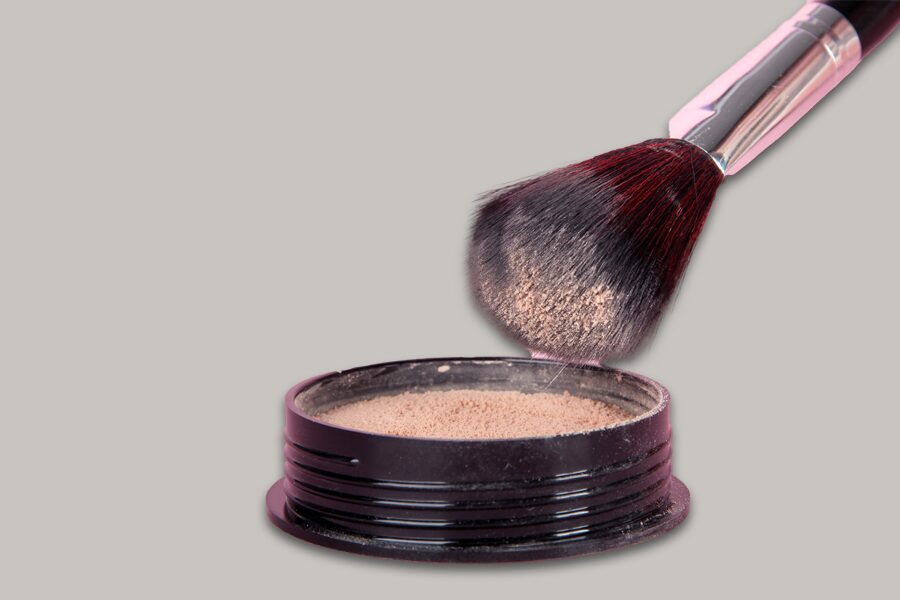
Smart brushes are in development. With some having sensors in the handle that read skin conditions and suggest the best application technique. AI-assisted tools adjust recommended pressure and angles. These are expected to reach the market soon.
3D printing is already being used to customise bristle density and handle shapes in small batches.
Quick Guide: Brushes to Add to Your Kit
- Modular Foundation Brush — One handle, swappable heads. Cuts down on kit bulk.
- Antimicrobial Powder Brush — Hygiene-coated bristles. Good for busy, multi-client days.
- Micro-Tip Liner Brush — Fine synthetic tip for liner, cut-crease, and detail work.
- Skincare-Hybrid Brush — Dense flat head. Designed for serums and SPF blending.
- Dual-Ended Contour-Blender — Two functions, one brush. Faster workflow at the chair.
Sponges: What Is New
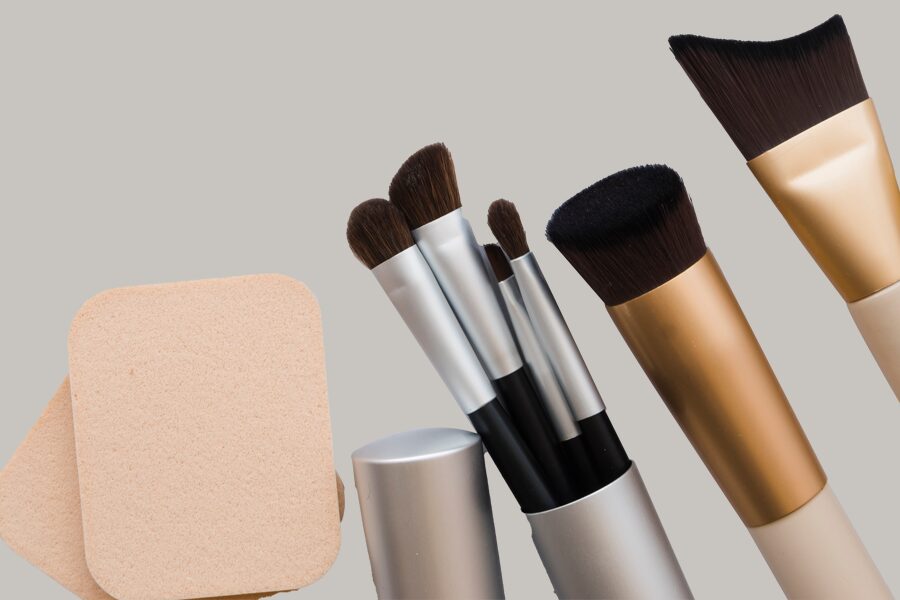
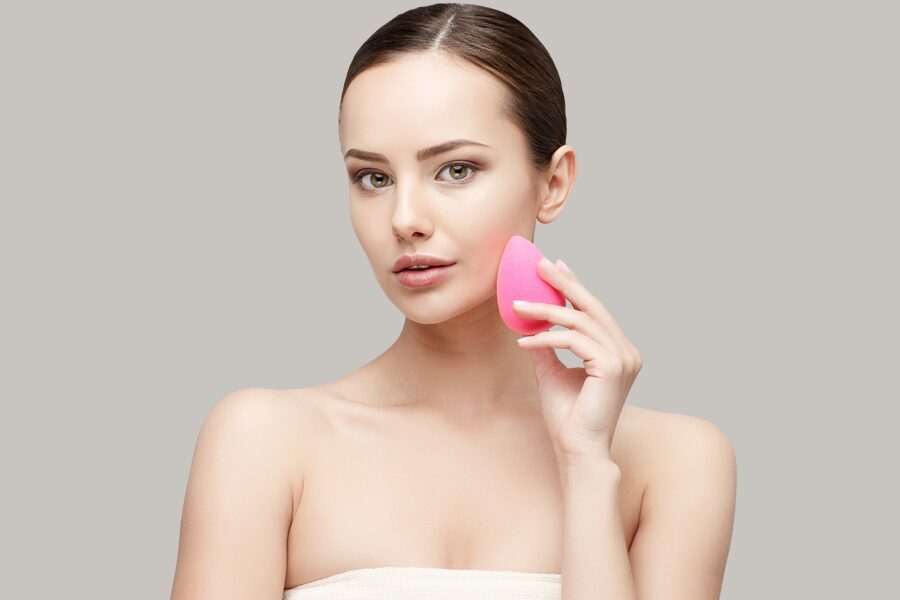
- Hydrophilic Foam — Expands when wet. Works well with liquid and cream products. Easy to wash and reuse.
- Silicone Applicator — No product absorption. Wipes clean between clients. Best for high-coverage cream work.
- Multi-Zone Blender — Tip, flat edge, and dome in one sponge. Covers most application needs without switching tools.
Brushes and sponges are critical work tools for an MUA and an important purchase decision. The right tools directly influence the quality of work, the speed of service, and the hygiene standards of your salon. The category has moved forward — and it is worth keeping up.