
Lash lifts are in high demand, but so are complaints about damage and reactions. Here is what every therapist needs to know before picking up the brush.
Words | Kathakali Dutta
When a client walks out with kinked, brittle lashes that fold back into the lid, the instinct is to blame the product. What the industry rarely says out loud is that most lash lift damage comes not from the formula, but from the hands applying it.
Lash lifts are one of the fastest-growing treatments in professional beauty right now. Clients love them: no extensions, no daily curling, results that last six to eight weeks. But as lash lifts become more common and easier to offer, cases of damage and reactions are rising just as quickly.
What the Treatment Actually Does
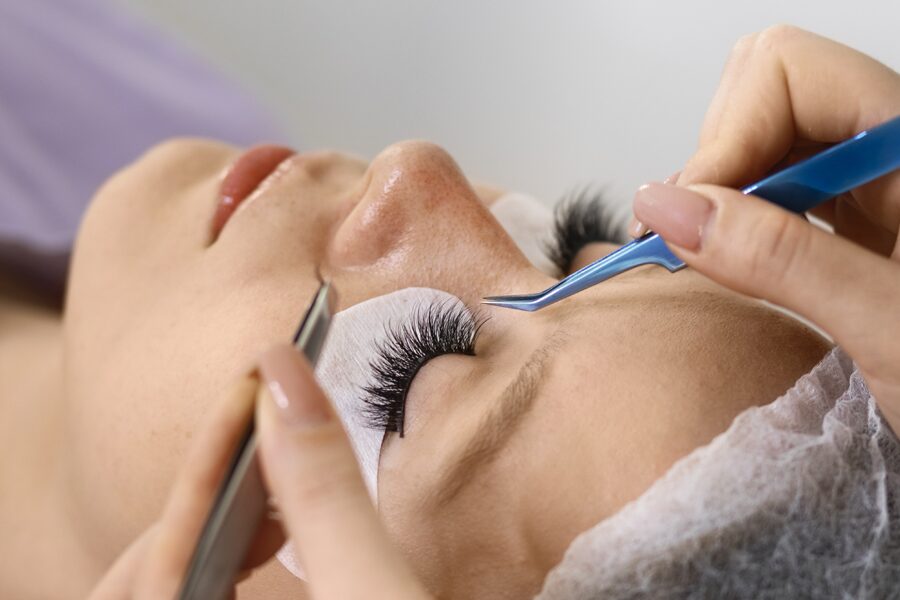
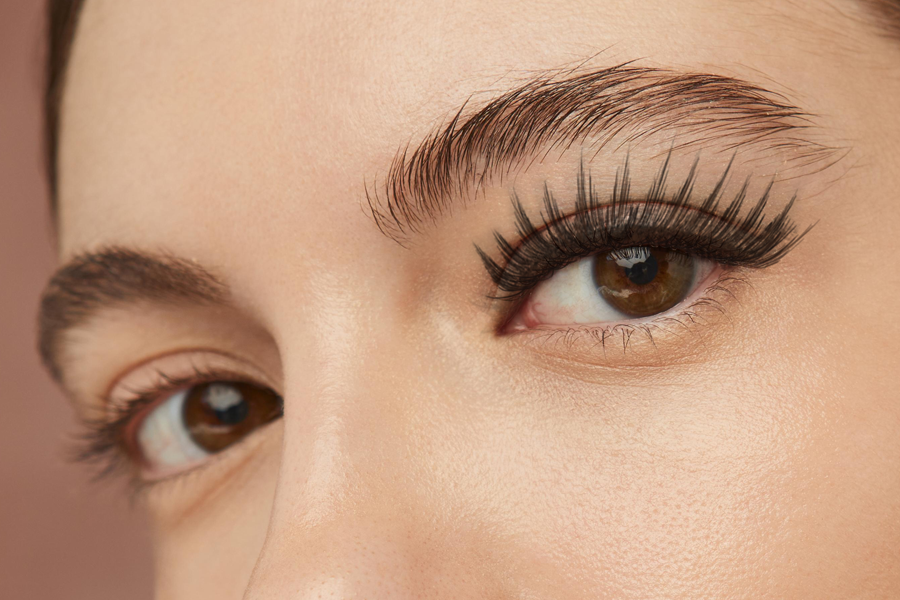
A lash lift is a chemical restructuring of the hair. Every eyelash is composed of approximately 85-97 per cent keratin, held together by disulfide bonds that determine its natural shape. The lifting solution, most commonly ammonium thioglycolate or cysteamine HCl, breaks those bonds, making the lash pliable enough to mould around a silicone shield. A neutralising solution then reforms the bonds and locks the new curl in place.
The result holds because the hair’s internal protein structure has been chemically reset. When bonds are disrupted without being properly reformed, through overprocessing, wrong timing, or solution reaching the tips, the structural integrity of the lash is compromised.
The Shield Decision

Shield selection is where many bad lash lifts begin. Smaller shields produce tighter curls; larger shields create a softer lift.
Lash texture matters equally. Fine lashes are more chemically reactive and hit their threshold faster; coarse lashes need longer exposure.
Timing Is Where Most Damage Happens
The lifting solution has a narrow window between sufficient and excessive, and that window shifts with every client.
- Fine or previously lifted lashes may need as little as three to four minutes.
- Coarse, virgin lashes may tolerate six to seven.
- But a client who returns every five weeks is not the same as a new client with similar texture: repeated chemical exposure progressively narrows the safe processing window.
Contraindications: The Consultation That Cannot Be Skipped
The intake form is not a formality. For a treatment performed within millimetres of the cornea, the consultation is the most critical thing a therapist does before the session.
Conditions such as dry eye syndrome, seasonal allergies, and autoimmune skin disorders are relative contraindications: not disqualifiers, but signals to use a gentler cysteamine-based formula, reduce processing time, and proceed with additional written consent.
Clients on Roaccutane (isotretinoin) deserve particular attention. The medication thins the skin and disrupts keratin production throughout the body, making lashes prone to breakage. A full twelve-month wait after completing the course is the accepted professional standard.
Box: ABSOLUTE CONTRAINDICATIONS — DO NOT TREAT
- Active conjunctivitis, blepharitis, styes, or keratitis
- Any redness, swelling, or unexplained discharge around the eye
- Recent eye or facial surgery (wait minimum six months)
- Chemotherapy or radiation (require medical clearance)
- Alopecia or trichotillomania
- Epilepsy
- Roaccutane (isotretinoin): wait twelve full months post-course
- High-dose topical retinoids or AHAs in the periorbital area
- Contact lenses in situ: must be removed before treatment begins
Hygiene Non-Negotiables
The eye is a mucous membrane. Contaminated tools or surfaces create a direct route for infection.
Box: HYGIENE PROTOCOL AT A GLANCE
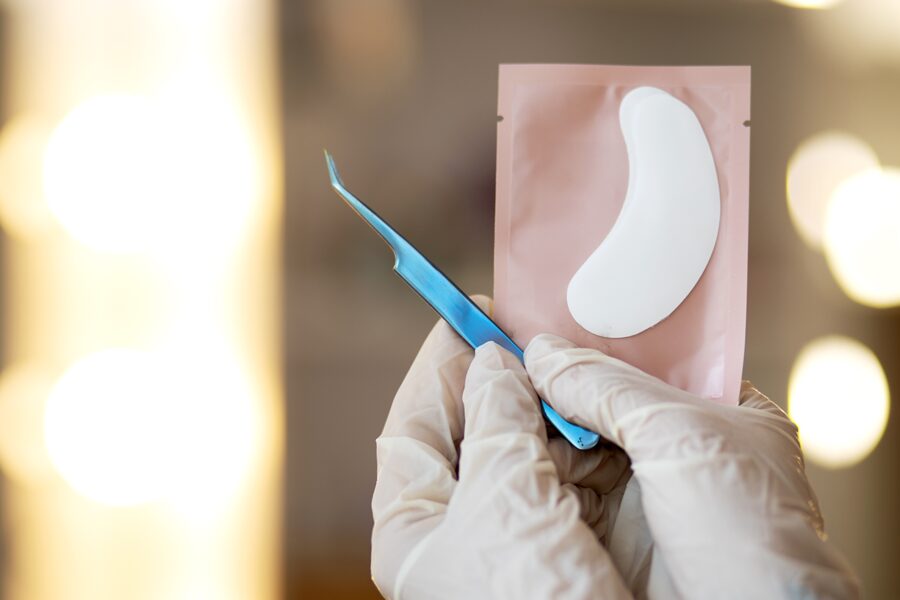
Single-use every time: microbrushes, eye pads, spoolies, applicators. No exceptions.
Reusable with full disinfection: silicone shields and rods. Clean first, then immerse in hospital-grade disinfectant for the full manufacturer-specified contact time.
Between every client: disinfectant wipe on the treatment bed and all surfaces; hands washed for 30 seconds with warm water and soap; clean mask worn throughout.
Dispose of any tool dropped on the floor during service. Do not pick up and continue.
Where the Line Is
The difference between a great result and a damaged client is rarely the product. It is the consultation that identified the contraindication.
- The patch test that happened 48 hours before.
- The shield chosen for that client’s specific lash length and texture.
- The therapist who stopped the timer early because the lash was signalling damage before the clock did.
The demand for lash lifts is not going to slow. What the industry can control is whether the quality of practice keeps pace with the volume of bookings.