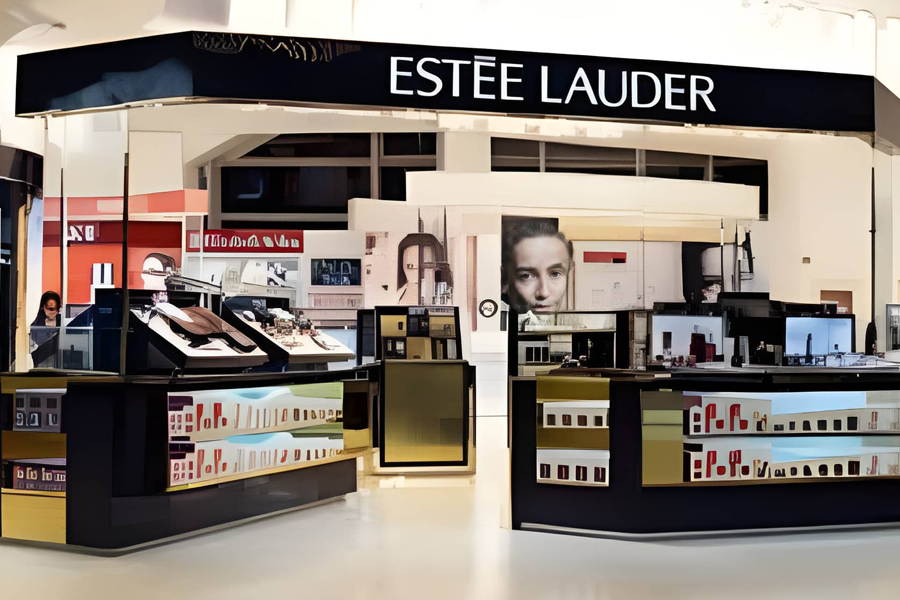

Estée Lauder Companies and Puig have officially terminated merger discussions, bringing two months of negotiations to a close. Both companies released simultaneous announcements on May 21 confirming they will remain independent, ending what would have been one of the most significant consolidations in the global beauty industry.
The news follows a report in Spanish newspaper Expansión that Charlotte Tilbury, one of Puig’s most prominent brand assets, was seeking a renegotiation of her contract, a development widely seen as complicating the deal’s progression.
Estée Lauder CEO Stéphane de La Faverie expressed optimism about the company’s standalone trajectory, reaffirming commitment to the Beauty Reimagined strategy as the primary vehicle for long-term value creation. The restructuring programme, which includes reducing the global workforce by up to 10,000 roles and pivoting distribution towards specialty retail and e-commerce, remains central to Estée Lauder’s recovery plan.
Puig CEO Jose Manuel Albesa indicated the Spanish luxury beauty group would continue pursuing selective, value-driven mergers and acquisitions aligned with its long-term strategic priorities, citing its robust capital structure as a source of flexibility.
The collapse of the proposed merger marks a significant moment for the global premium beauty landscape. A combined Estée Lauder and Puig entity would have united brands including MAC, La Mer, Le Labo, Charlotte Tilbury, Byredo, Carolina Herrera, and Rabanne under one roof, creating a formidable challenger to L’Oréal’s market dominance.
With the deal now off the table, both companies face the task of delivering growth independently in a beauty market marked by shifting consumer behaviour, channel disruption, and increasing competitive pressure from agile new-age brands. For Estée Lauder in particular, the focus now returns squarely to executing Beauty Reimagined and stabilising performance across its key markets including China and travel retail.