
A Closer Look at Indian Bridal Makeup Trends
A generation ago, India’s beauty industry was mostly neighbourhood parlours, occasional salon visits before weddings, and festive makeovers that happened once or twice a year. Beauty wasn’t an everyday conversation. It was an event.
That has changed completely.
Today, the industry is bigger, louder and more experimental. Market projections suggest that the broader beauty and personal care (BPC) sector could exceed US$34 billion by 2028, while some forecasts expect it to cross US$65 billion by 2033. The salon segment alone is projected to nearly double within the next decade. These numbers are impressive, but what makes the industry feel dynamic isn’t just growth, it’s movement. Consumer behaviour, technology, sustainability and cultural expression are all shifting at once.
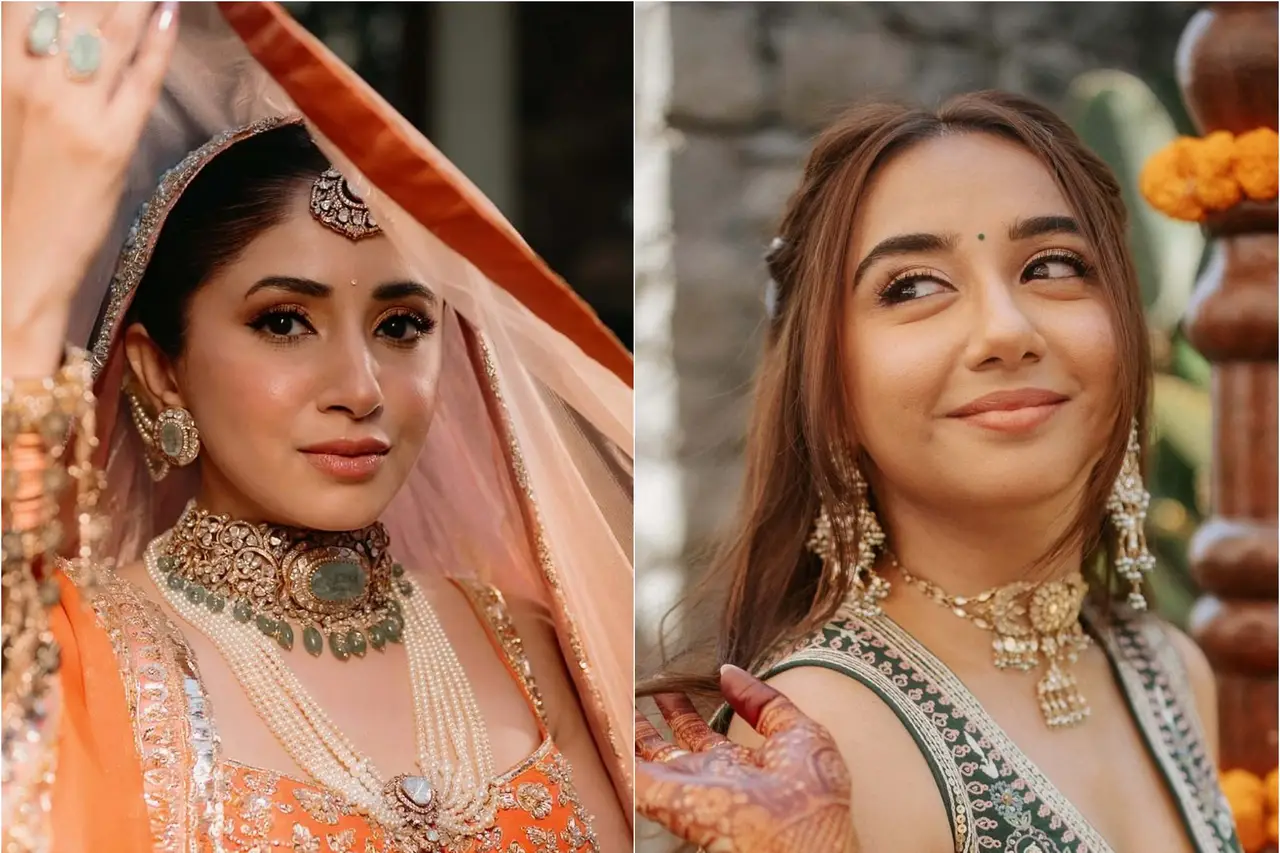
Nowhere is that energy more visible than in Indian bridal makeup trends, which have evolved from predictable red-and-gold formulas into a wide spectrum of personalised looks blending tradition and global aesthetics.
This is not just an expansion. It’s reinvention.
Why the Indian Beauty Industry Feels So Dynamic
1. Growth Is Rapid, But Behaviour Is Changing Even Faster
Yes, the market is growing. Rising incomes, urbanisation and a young demographic have expanded the consumer base dramatically. Beauty is no longer an occasional indulgence. For many urban Indians, it’s routine.
But what’s more interesting is how consumers are thinking.
Today’s buyer reads ingredient lists. They compare brands. They care about sustainability. Reports suggest that nearly half of Indian beauty consumers prefer brands with sustainable practices, and a significant percentage are willing to pay more for eco-conscious options.
This has pushed salons and brands to:
- Stock cruelty-free and vegan products
- Introduce Ayurveda-inspired formulations
- Reduce plastic packaging
- Offer refill options
The expectation has shifted from “make me look good” to “make me look good responsibly.”
That subtle shift changes everything.
2. Technology Has Reshaped the Experience
Beauty has gone digital.
Online bookings, CRM systems, skin-scanning devices and AI-driven product recommendations are now part of mainstream salon culture. Augmented reality tools allow customers to try foundation shades or lipstick tones virtually. During the pandemic, this became necessary. Now it’s expected.
E-commerce is also driving change. A growing share of beauty purchases happens online, and projections suggest digital channels could dominate product sales in the near future.
Social media plays a powerful role. Makeup buyers don’t just browse shelves; they browse Instagram reels. Influencers influence. Tutorials convert. Trend cycles accelerate.
And this is where Indian bridal makeup trends gain momentum, brides discover looks through reels, save references, book trials online and experiment virtually before the wedding season even begins.
3. Premiumisation and Inclusivity Are No Longer Niche
Millennials and Gen Z are trading up. Dermocosmetics, hybrid skincare-makeup products, luxury facials and personalised services are in demand. Consumers are willing to pay more if the product promises performance and skin health.
At the same time, inclusivity has become non-negotiable.
Shade diversity matters. Representation matters. Brands that ignore this are quickly called out. Indian consumers increasingly expect foundations that suit deeper and more diverse undertones. Custom lipstick bars and personalised shade matching are becoming normal.
Direct-to-consumer (D2C) Indian brands have adapted quickly here. They understand regional preferences, climate conditions and skin tones in a way global brands sometimes struggle to.
That agility gives them an edge.
4. Beauty Has Expanded into Wellness and Men’s Grooming
The definition of beauty has widened.
Salons now offer anti-ageing treatments, AI-based skin diagnostics, spa therapies and advanced facials that blur the line between aesthetic and medical wellness. At-home devices, LED masks, and microcurrent tools are also gaining popularity.
Men’s grooming is another area quietly expanding. Once underdeveloped, it is now seeing rapid growth with targeted skincare, haircare and styling products.
Beauty is no longer gendered. It’s lifestyle-driven.
Indian Bridal Makeup Trends: What’s Defining 2025–26?
Indian weddings have always been theatrical. What has changed is how personalised the bride’s look has become.
Search interest in Indian bridal makeup trends continues to climb because brides want inspiration, not templates. They want timeless, but they also want individuals.
Here’s what’s shaping the next two wedding seasons.
1. The Second-Skin Base
Heavy, layered foundations are fading. Brides want skin that looks like skin.
The “second-skin” base uses lightweight, hydrating formulas that even out tone without masking texture. Prep is critical, serums, glow moisturisers, dewy primers. Highlighter is applied strategically, not dramatically.
The result is a lit-from-within glow that lasts through ceremonies and receptions.
This shift reflects the industry’s broader move toward skincare-driven makeup.
2. Blush Draping and Warm Tones
Blush is no longer confined to the centre of the cheek. Draping techniques sweep colour upward toward the temples, subtly lifting the face.
Warm tones dominate:
- Peach
- Terracotta
- Rose
- Saffron
These shades work beautifully for Haldi and Mehendi events, especially in daylight settings.
It’s sculpting, but softer.
3. Tinted Lips and the Return of Red
Glossy, tinted lips bring freshness. Sheer balms and hydrating lipsticks offer comfort for long wedding days.
At the same time, classic red lips are resurging.
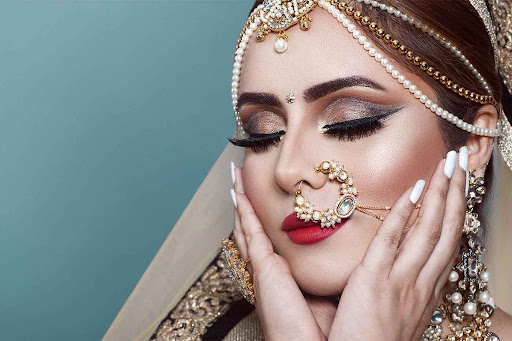
Deep maroon, plum and brick tones are especially popular for winter weddings. Velvet-matte finishes provide intensity without looking flat. A bold lip paired with softer eyes feels modern yet rooted in tradition.
Red never really left. It just evolved.
4. Soft Smokey Eyes and Earthy Palettes
Instead of heavy black shadows, brides are choosing softer smokey tones:
- Taupe
- Bronze
- Warm brown
- Muted grey
Inner-corner shimmer adds brightness. Kohl remains popular, especially in softer brown variations that create depth without harshness.
The effect is dimensional but wearable.
5. Natural Brows and Minimal Liner
Brows are brushed upward with tinted gels. They’re defined but not overly carved.
Eyeliner is often reduced to a subtle flick. The exaggerated wing has given way to smaller, controlled extensions that elongate without overpowering.
Balance is the theme here.
6. Velvet Veil Glam vs. No-Makeup Makeup
Some brides want refinement without drama. Velvet veil glam uses seamless blending to create a soft-focus finish, structured, polished, but never heavy.
Others opt for “no-makeup makeup.” Dewy skin, rosy cheeks, minimal contouring. It photographs beautifully and feels comfortable.
Both approaches signal confidence.
7. Seasonal and Regional Adaptations
India’s diversity ensures bridal trends are never uniform.
Winter brides lean toward:
- Classic maroon lips
- Golden bronze eyes
- Deep berry tones
Kashmiri-inspired winter looks favour soft pink flushes and muted lips.
South Indian brides often prefer chocolate nudes that complement silk sarees and temple jewellery.
Punjabi brides lean into radiant finishes and vibrant, rosy hues.
These variations prove that Indian bridal makeup trends are not one trend, they are many.
8. Hair and Accessories
Makeup rarely stands alone.
Popular bridal hairstyles include:
- Low buns adorned with jasmine
- Braids decorated with pearls or gold accents
- Half-up waves for contemporary receptions
Maang tikkas, headpieces and floral elements personalise the look further. Some brides are experimenting with silver or chrome-toned accents in winter weddings, a subtle departure from traditional gold.
How Bridal Trends Reflect Industry Dynamism
Bridal beauty doesn’t exist in isolation.
Brides today:
- Discover inspiration on Instagram
- Book trials online
- Use virtual try-on filters
- Request clean, skin-friendly formulations
They expect performance and comfort. They expect shade matching. They expect longevity.
The broader industry’s push toward sustainability, personalisation and technology directly feeds into Indian bridal makeup trends. Skincare-infused foundations, cruelty-free products and hybrid formulations are increasingly common in bridal kits.
Tradition remains central, henna, jewellery, dupattas, but it is now interpreted through a contemporary lens.
Conclusion: A Market in Motion
India’s beauty industry feels dynamic because multiple transformations are happening at once.
- Market expansion
- Digital innovation
- Premiumisation
- Inclusivity
- Cultural blending
Bridal makeup trends are simply the most visible expression of this movement.
From second-skin bases to statement reds, from blush draping to regional winter adaptations, Indian bridal makeup trends show how the industry balances heritage with experimentation.
For salons and brands, agility is essential. For brides and beauty enthusiasts, the choices have never been broader.
And this is only the beginning.