
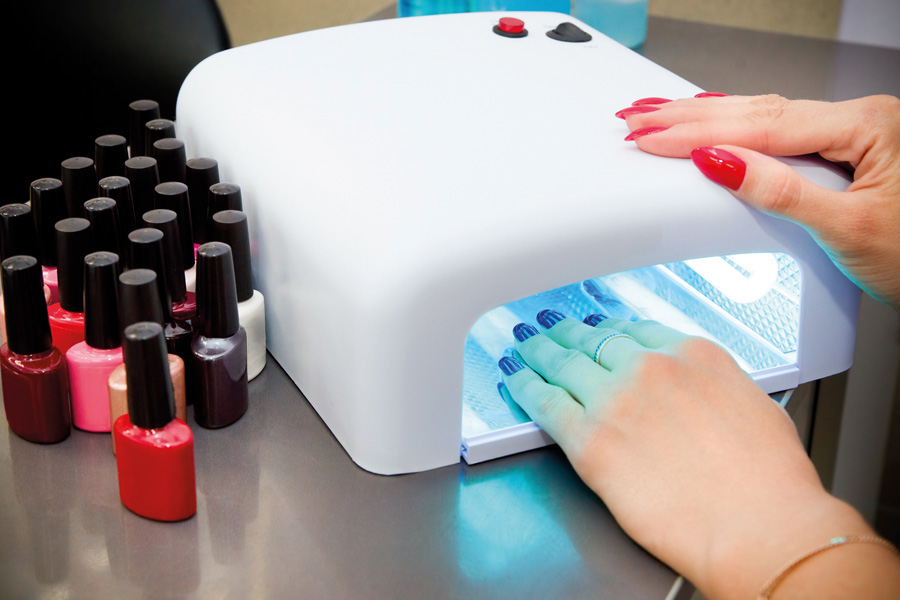

The EU ban on TPO in cosmetic and nail products ensures safety for clients as well as nail professionals
The nail industry witnessed significant changes this year. Beginning September 2025, the European Union banned Trimethylbenzoyl diphenylphosphine oxide (TPO). This chemical used in gel nail polishes was found to be harmful, toxic and affecting fertility.
Since the ban was put into place, several salons in the EU had to discard TPO-based gel nail polishes with immediate effect. Several other cosmetic products with the chemical had to be taken off the shelves to adhere to this new regulation. The ban also led several nail brands to change the formulations in their products and make them TPO-free.
Implications of the EU ban
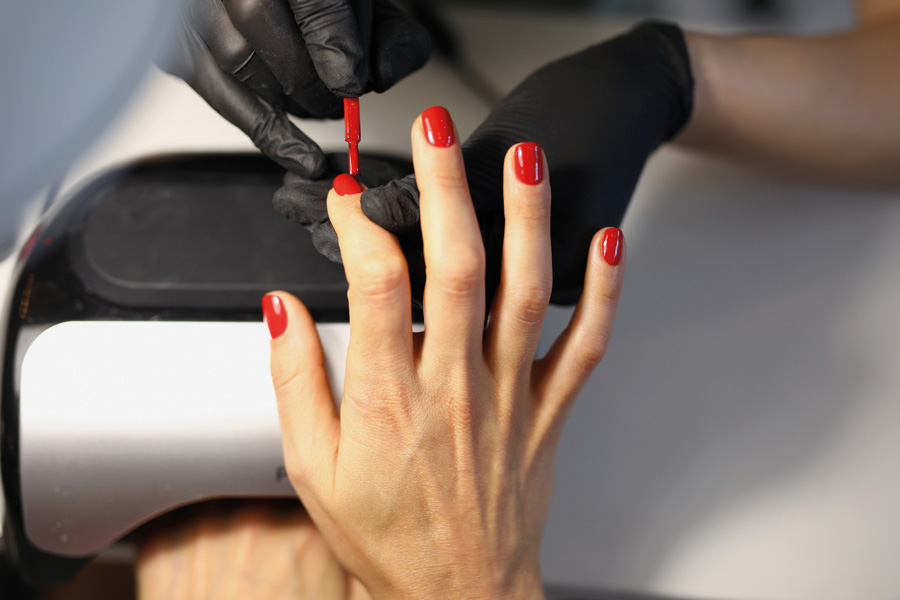
As a main component in cosmetics, TPO is used in formulations that need curing under LED or UV light, such as gels and gel polish. In the absence of TPO, the curing process does not take place, and the gel polish remains liquid.
TPO was under scrutiny for some time, but after being classified as a CMR substance, it eventually came under suspicion for health-related issues, declaring it a toxic chemical interfering with human reproduction. This new threat triggered the TPO ban in September 2025 under the European Cosmetics Regulation.
With the prohibition in place from September 1 2025, the EU banned:
- Selling products with TPO
- Making TPO products available for nail services like manicures and gel polish applications
- Non-European or EU brands with TPO formulation to sell their products in the EU
- Manufacture and sell TPO cosmetic products in salons
TPO ban impacts the nail industry
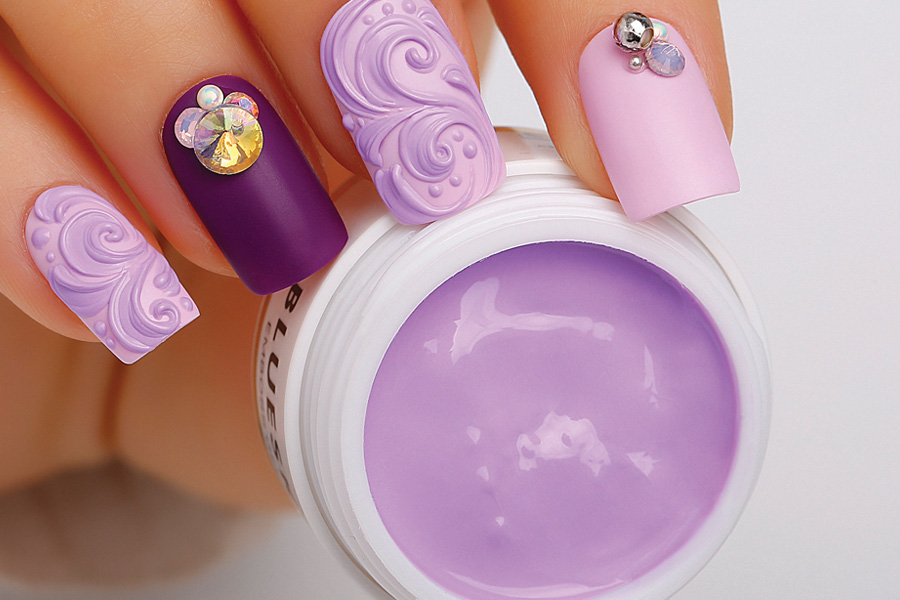
TPO—a powerful photoinitiator responsible for fast, deep, shiny, and durable gel cures—has significantly influenced the nail industry. Since TPO absorbs UV/LED light and triggers polymerization, its removal forces brands to reformulate products without compromising performance.
Dina Umarova, MD, Bluesky India, Ambassador Asia Pacific and Founder of Bluesky Nail Academy, India, reveals, “This shift requires extensive research, increased production costs, and time to identify reliable alternatives that offer the same curing quality. Premium brands are now investing in safer, modern ingredients to maintain product standards and comply with the stricter EU safety guidelines.”
Client safety prioritized
The TPO ban currently applies only in the EU and the UK, and it is not enforced in regions such as Russia, Asia, the USA, Canada, Latin America, China, the Balkans, India, or others. With this ban, the nail industry emphasizes the need to find a safer alternative to TPO, raising the bar for high-performance and safe gel polishes. It also ensures that safety is not compromised on the nail service, salon professionals and clients.
Although the ban aims to protect consumers from potential reproductive risks, it has created temporary challenges for manufacturers. “As consumers become more ingredient-conscious, brands need to focus on transparency, cleaner INCI lists, and products that also support nail health. Leading global brands are already moving in this direction. For example, Bluesky, recognized as a top finalist at Cosmoprof Hong Kong, continue to invest in nourishing, advanced formulas such as its rubber base designed with premium ingredients. These changes show that safety and performance can go hand in hand. Overall, the industry learns to innovate proactively rather than reactively, adds Dina Umarova.
The Indian nail market’s relevance worldwide

India does not currently impose a ban on TPO, along with other countries that follow EU standards and regulations.
For India to stay relevant in the export nail market, it should focus on safety, international expectations and consistency. Constant monitoring of overseas regulations and quick adaptation is a must. Similarly, in order to build and maintain trust with global buyers, Indian manufacturers should ensure clear product information, invest in reliable testing and good quality ingredients.
In addition, Indian brands and manufacturers should stay aligned with international trends like eco-friendly innovations and safer formulations. This aspect ensures India can cater to global clients and audiences. These efforts will ensure India stays competitive and retains its presence in the global nail industry.
“When major markets introduce stricter rules, international brands begin reviewing their formulas to stay prepared and competitive for the market. Over time, even countries without bans may shift toward similar expectations as consumer awareness continues to grow, says Dina Umarova.
The EU TPO ban caused ripples in the nail industry, forcing a reshaping of the entire product category due to a change in regulations aimed at protecting consumers and nail professionals from potential health hazards. Despite the ban, gel polish is here to stay, with safer alternatives already evolving, making way for eco-friendly nail products.