
Indian salon chains are embracing intelligent furniture—from sensory chairs to adaptive mirrors—to improve client comfort and sustainability.
Words | Preeti Kulkarni
Smart design is redefining the modern salon. Today’s next-generation spaces combine technology, ergonomic furniture, and sustainable materials to create environments that enhance both client experience and operational efficiency.
From mirrors that auto-adjust lighting to sensory styling chairs with posture support and massage functions, salons are evolving into highly functional, tech-enabled spaces. Industry observers note that salons integrating smart infrastructure report 10–20% improvements in stylist productivity and higher repeat visits, driven by enhanced comfort and personalized services.
According to a November 2025 report cited in Mint and Redseer data estimates—India’s salon industry is estimated at ₹50,000–₹55,000 crore and growing at over 8% annually —these intelligent upgrades are quickly shifting from luxury to necessity.
Core Elements of Smart Salon Design
Forward-thinking salons are prioritising modular layouts and ergonomic workstations to maximise limited urban space while improving service delivery.
Modular Furniture:
Multi-purpose styling stations and mobile units can easily shift between services such as hair styling, makeup, nail art, and consultations. For salons in dense metro areas like Mumbai, Delhi, and Bengaluru, this flexibility can increase space utilization by up to 30%.
Ergonomic Comfort:
Adjustable styling chairs and anti-fatigue work zones are now critical investments. Studies in professional grooming environments show ergonomic seating can reduce stylist fatigue by nearly 25% during long service hours.
Sustainable Materials:
Eco-conscious interiors are increasingly popular with urban clientele. Materials such as reclaimed wood, recycled plastics, vegan leather, and low-VOC finishes help reduce environmental impact while enhancing durability. According to industry surveys, over 60% of millennial salon clients prefer brands with visible sustainability practices.
Integrated Technology:
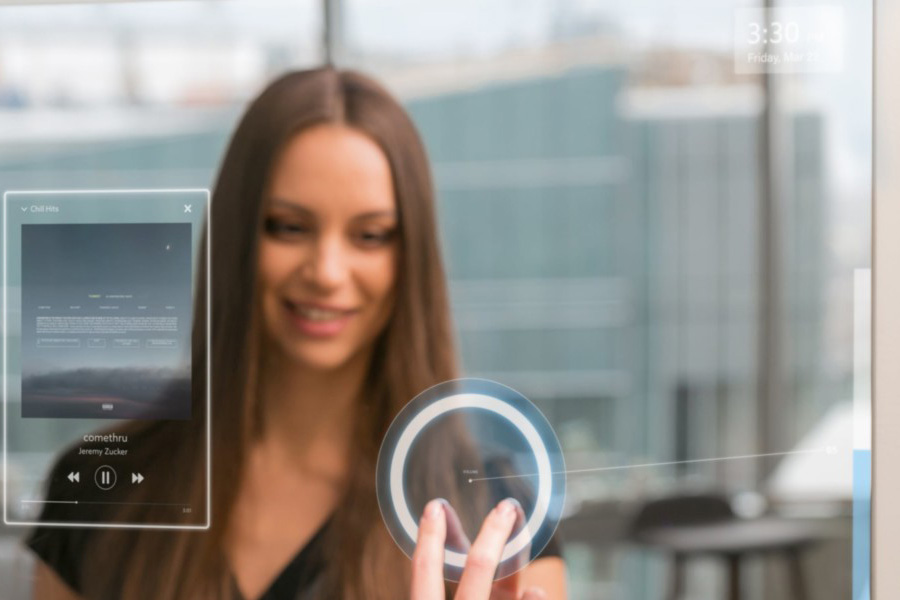
Digital touch panels embedded in workstations allow stylists to control lighting intensity, chair positioning, and even appointment schedules. This automation reduces manual adjustments and improves service turnaround time.
Innovations in Smart Salon Furniture
Modern salon furniture is evolving beyond comfort to deliver multi-sensory and personalised experiences.
Sensory Styling Chairs
New-generation styling chairs feature built-in massage systems, adjustable lumbar support, and body-contouring recline mechanisms. These chairs can activate gentle vibration or massage functions during waiting periods, turning idle time into a relaxation moment.
Smart Backwash Units
Backwash stations now include heated neck rests, automated water-temperature control, and adjustable reclining angles. Some advanced models also incorporate water-saving systems that reduce consumption by up to 15–20%.
Adaptive LED Mirrors
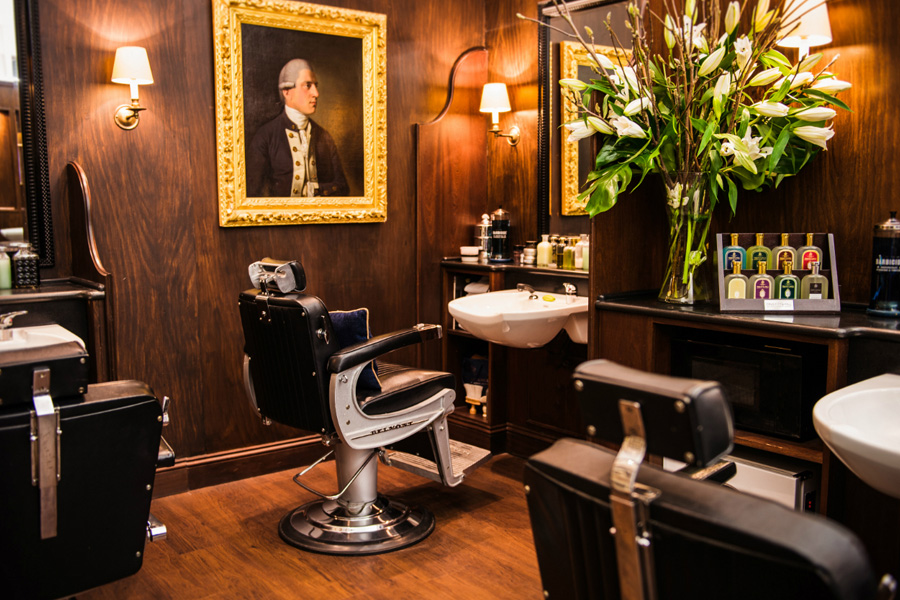
Smart mirrors equipped with LED arrays and ambient sensors automatically adjust brightness for precision services—from hair cutting to makeup application. Several premium salons are also experimenting with augmented reality (AR) previews, allowing clients to visualise potential hair colours or styles before committing.
Collaborative Consultation Zones
Interactive consultation tables and digital screens are being introduced in premium salons, enabling stylists to discuss treatments, colour palettes, and styling options in a more immersive way.
Indian Salon Chains Leading the Shift
Leading salon brands across India are gradually integrating these smart features into flagship locations.
Lakmé Salon
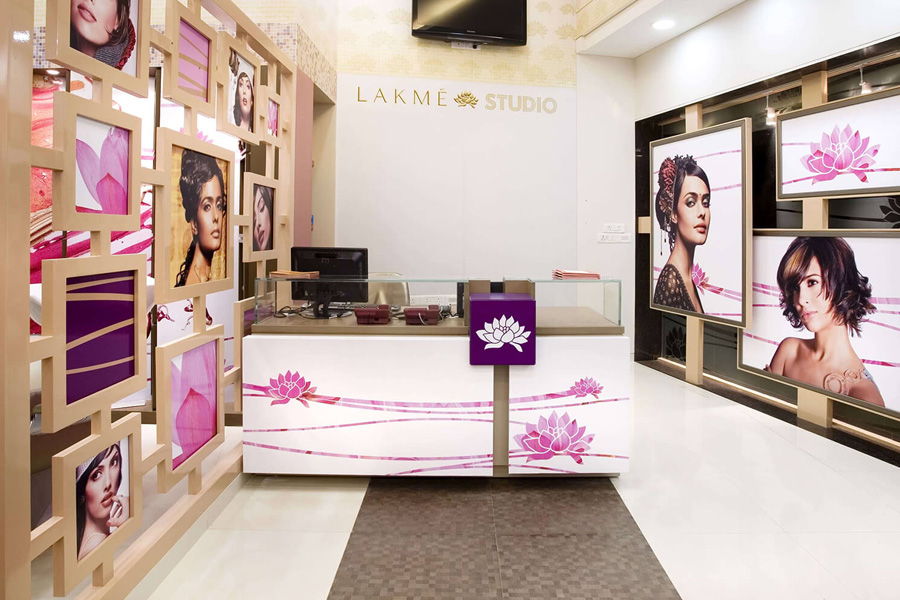
With 400+ outlets across India, Lakmé has introduced ergonomic styling stations, adjustable recliners, and energy-efficient lighting in several premium outlets. These upgrades support high client volumes while maintaining comfort and service consistency.
Enrich Salon
Known for its premium service positioning, Enrich has begun deploying digital consultation mirrors and colour simulation tools in select metro locations. These systems help stylists demonstrate real-time transformations, increasing opportunities to upsell products and colour services.
Truefitt & Hill
The heritage British grooming brand incorporates custom sensory barber chairs with vibration therapy and posture-support systems in its Indian outlets, particularly in luxury locations like Mumbai and Delhi.
Boutique salons are also pushing innovation.
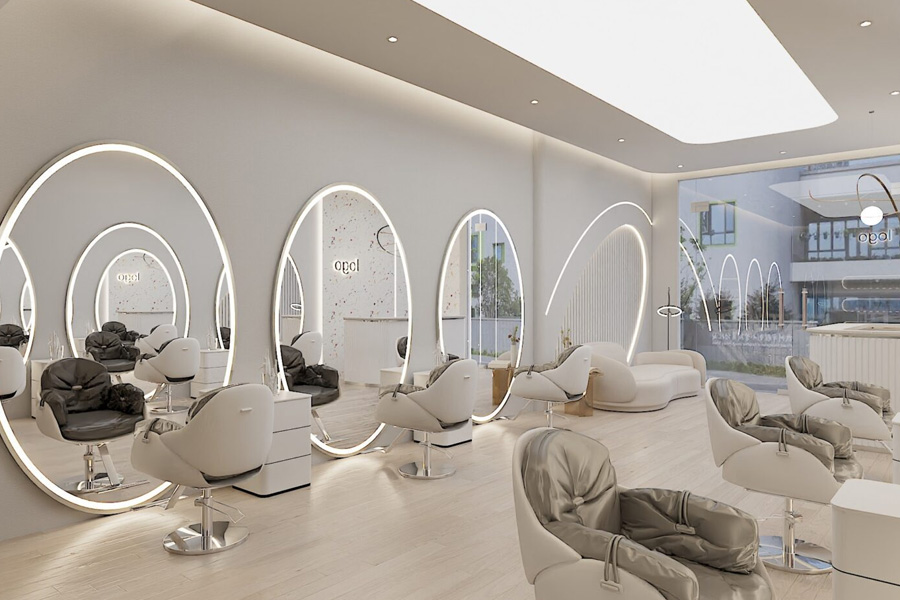
Leading Indian chains are also experimenting with digital consultation tools. Salons such as Cut & Style and Looks Salon have begun introducing AI-enabled smart mirrors in select outlets, allowing clients to virtually preview haircuts, colours, and styling options in real time. These mirrors analyse facial features and skin tone to suggest suitable looks, helping stylists personalise consultations and increase service confidence and conversion rates.
Business Impact and Future Outlook
For salon owners, smart design is not just about aesthetics—it delivers measurable business benefits. Industry trends suggest salons adopting smart furniture and ergonomic workstations can improve operational efficiency by 15–20%, largely due to faster service setups and reduced stylist fatigue.
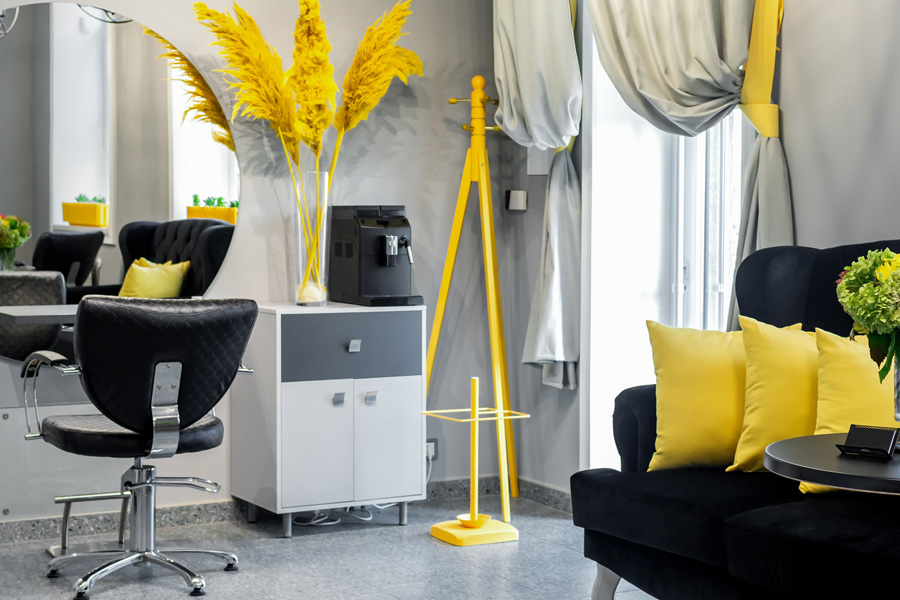
The investment also enables premium pricing for tech-enabled services, particularly among urban millennials and Gen Z consumers seeking experiential beauty services.
Next wave of innovation may include:
- AI-powered consultation mirrors
- Voice-controlled styling stations
- Automated hygiene and sanitation systems
As India’s beauty industry continues its rapid expansion, salons that combine technology, sustainability, and human-centric design will gain a competitive edge. Smart salon design will transform salons into immersive beauty destinations where efficiency, comfort, and experience intersect.