

In an era of constant UV and blue‑light exposure, here’s how professionals are leading the prevention, diagnosis, and recovery.
Words | Rohini Wahul
Sun damage is no longer a post-holiday concern. It is now one of the most consistent skin conditions present. Clients are walking in with tanning that does not fade, persistent pigmentation, dehydration, and sensitized skin that reacts unpredictably to treatments. What has changed is not just the intensity of exposure, but its frequency. For professionals, this shift is redefining the consultation itself. They are no longer addressing occasional damage but are managing cumulative skin stress.

Understanding the New Exposure Reality
Sun exposure today is continuous and layered. Beyond direct sunlight, skin is exposed to ultraviolet radiation, infrared heat, pollution, and prolonged indoor light exposure. This combination is accelerating skin ageing and barrier disruption.
As explained by Dr Rashmi Shetty, cosmetic dermatologist, ultraviolet radiation remains the primary cause of skin damage. A critical concern is that UVA exposure does not significantly reduce indoors.
“UVA rays penetrate deeper into the skin, damaging collagen and elastin, and can pass through glass — making daily protection essential, even indoors.”
This shifts sun protection from an outdoor habit to a daily discipline.
What Professionals Are Observing
Across consultations, certain concerns are becoming increasingly consistent:
- Tanning that lingers beyond expected timelines
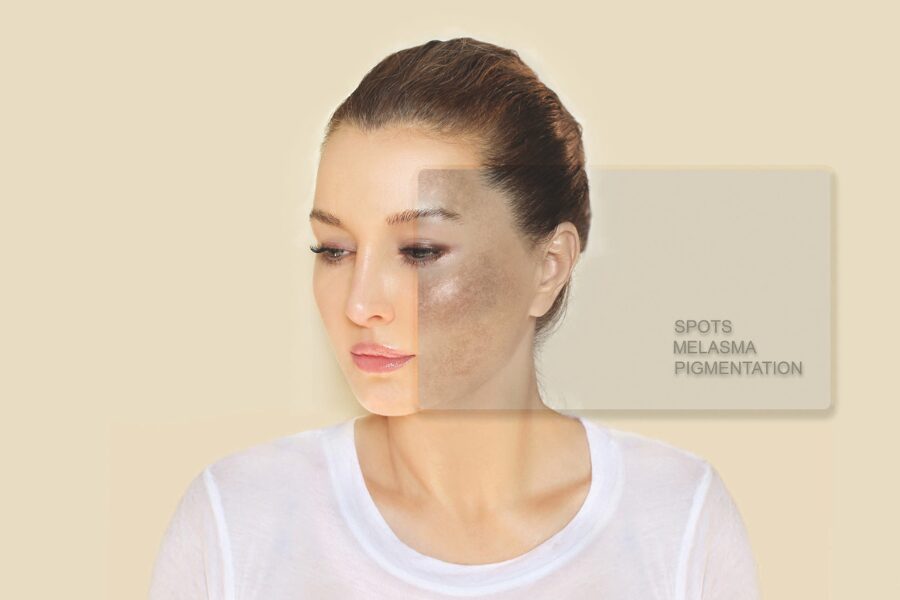
- Uneven pigmentation and melasma-like patches
- Dehydrated, dull skin with compromised barrier
- Increased reactivity post facials or active treatments
Many of these clients are already using sunscreen. This highlights not a lack of awareness, but a gap in correct usage. Professionals are often the first to identify this mismatch between SPF use and visible damage.
Where Protection Breaks Down
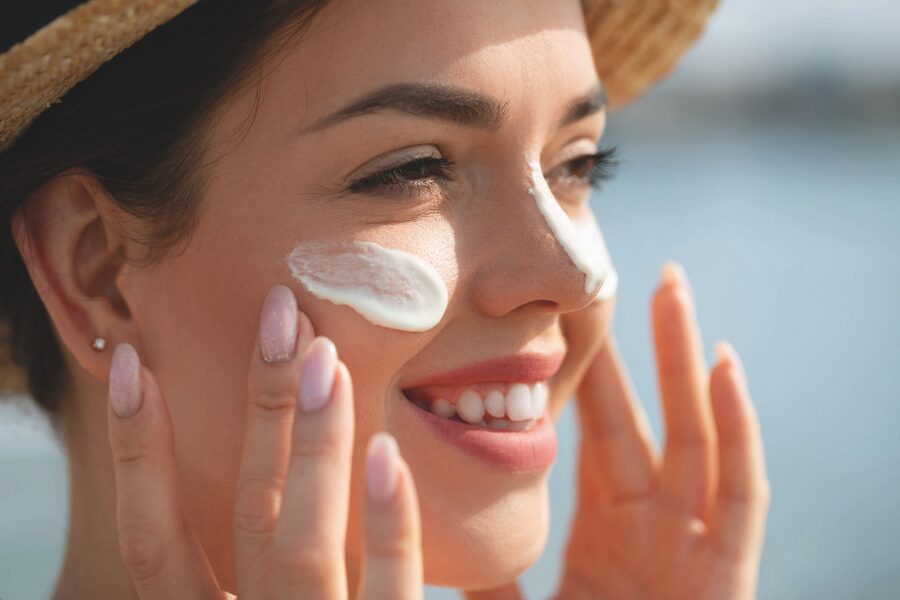
According to Dr Shetty, sunscreen effectiveness depends on both formulation and usage. Broad-spectrum protection is essential. While SPF indicates protection from UVB rays, UVA defence is reflected through PA ratings—a distinction most clients are unaware of. Reapplication is equally critical.
“Sunscreen must be applied generously and reapplied every 2–3 hours to maintain effective protection,” claims Dr. Shetty.
Clients often apply sunscreen once and assume full-day protection. Add humidity, sweat, and product displacement, and the protection layer becomes inconsistent. Gaps in coverage lead to rebound tanning and pigmentation.
The Consultation Shift
The role of the professionals is evolving. Sun protection is no longer a retail recommendation. It is a treatment prerequisite.
Before performing any active service, professionals must assess:
- Current sun exposure levels
- Consistency of sunscreen usage
- Signs of barrier compromise
- Risk of post-treatment pigmentation
Client guidance must now include:
- Correct sunscreen selection (SPF 30+, PA+++)
- Layering under makeup
- Reapplication strategies during work hours
- Lightweight, climate-appropriate formulations
This is not just skincare advice. It is risk management for both skin and service outcomes.
Pre-Vacation Skin Preparation
With increased travel and outdoor exposure, pre-vacation preparation is becoming a key service opportunity. Instead of last-minute glow treatments, professionals should focus on:
Strengthening the skin barrier through hydration facials.
Ensuring skin stability before exposure
Well-prepared skin responds better to environmental stress and shows reduced post-sun damage. This is where structured pre-sun protocols and education become valuable.
Post-Sun Damag
Post-exposure, the instinct is often to correct immediately. However, sun damage affects hydration, collagen integrity, and inflammation levels.
“Sun exposure leads to free radical damage, triggering oxidative stress and inflammation that accelerate skin ageing. Dr Shetty
This repairs a staged process. The recommended approach is:
- Barrier repair and hydration first
- Controlled brightening and detan treatments next
- Calming facials for sensitised skin
Aggressive peels or high-strength actives immediately after exposure can worsen sensitivity. Professionals can position themselves as the recovery point, encouraging clients to opt for structured post-vacation repair rather than quick fixes.
Beyond Sunscreen: Expanding the Conversation
One of the most important shifts in sun care is moving beyond sunscreen alone. Sun exposure triggers internal oxidative stress, making antioxidants essential for both prevention and recovery.
For professionals, this expands the role from product recommendation to building complete protection routines that include topical care, internal support where relevant, and behavioural habits such as reapplication and sun avoidance.
The New Professional Standard
Sun protection today is cumulative, ongoing, and directly linked to long-term skin health. For professionals, this means stronger consultations, preventive treatment planning, and education that goes beyond surface-level skincare.
In 2026, sun protection is not just about avoiding exposure. It is about understanding skin behaviour under continuous stress—and guiding clients with precision, consistency, and professional clarity.