
StyleSpeak’s monsoon haircare routine for long, lustrous tresses without any stress.
Monsoon is a great time to be outdoors and enjoy the lush green expanse and cool breeze – a perfect time for delicious delicacies. But the same monsoon can wreak havoc on those beautiful, lustrous tresses if proper care is not taken. StyleSpeak doles out the dos and don’ts for you to follow to maintain good hair health and create an easy hair care routine in the monsoon.
What does Monsoon do to the hair?
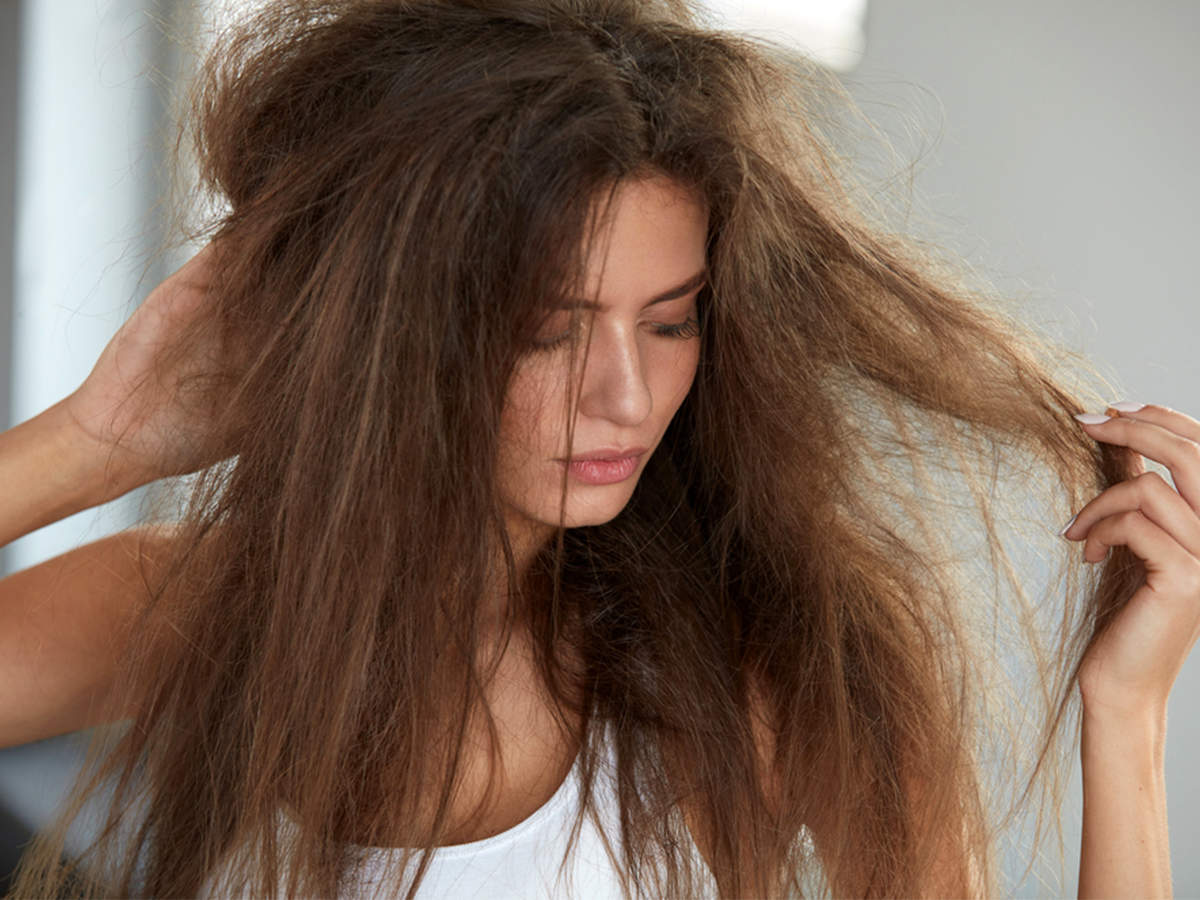
Monsoon equals excessive humidity in the air, which tends to make the hair frizzy and the scalp sweaty, oily, and itchy. Sweat and oil together are the perfect combination for bacterial growth. This results in an itchy and greasy scalp, which you end up washing more often than usual. With the hair going through all this, there is hair fall and dryness. But fret not, a thoughtful monsoon haircare routine can help overcome the downpour-woes.
During this season, the scalp becomes a breeding ground for dandruff, fungal infections, and even lice in some cases. If left untreated, these problems can worsen, leading to excessive hair fall and scalp irritation. That’s why preventive care is just as important as treatment.
‘Dos’ for Monsoon-ready Hair
Tame those tresses with some simple must-dos during the rainy season and watch them blossom.
Opt for anti-frizz hair products
After washing the hair use a soft towel or a t-shirt to remove the excess water but do not rub the hair vigorously. Use an anti-frizz shampoo and conditioner along with a serum to get soft manageable tresses.
Tip: Look for products enriched with natural oils like argan or jojoba, which not only control frizz but also add shine. Also, avoid using too many products at once as this can weigh the hair down.
Add Supplements
Using the right products and following a hair care routine in the monsoon is not the only way to protect the hair. It is important to boost hair health with good nutrition. The lack of vitamins like A, C, D, E, and B, along with zinc, iron, protein and fatty acids in the diet can make the hair roots weak. So ensure you take multi-vitamins to enhance your hair health, especially during monsoons. Including foods like spinach, walnuts, eggs, and flaxseeds can naturally provide these nutrients, strengthening the hair from within.
SLS-free Shampoo
SLS or Sodium Laureth Sulphate washes off dirt and excessive oil to keep hair healthy but it also ends up washing off too much natural moisture that the scalp needs to have a healthy protective barrier. So its best to use a nourishing shampoo that maintains the pH balance and locks in just enough moisture to keep the hair bouncy and nourished.
Hair Mask Comes to the Rescue
Hair masks work like superheros coming to save you the night before a big function or a party. Apply a hair mask once a week to see transformative results because nothing hurts more than having a bad hair day on important occasions.
Additional Care Tips for Monsoon Hair
Oil Massage with Caution
Oiling the hair once a week is good for nourishment, but avoid keeping oil overnight during the monsoon, as it may attract dirt and lead to scalp infections. Stick to light oils like almond or argan and wash them off within a few hours.
Keep Hair Tied Up
Leaving hair open during the rains exposes it to pollution, humidity, and rainwater – all of which damage the strands. Go for simple hairstyles like braids, buns, or ponytails that keep your locks protected and manageable.
‘Don’ts’ for Monsoon-ready Hair
It is not enough to know what to do. It is equally important to find out what to avoid during the long unending monsoon time.
Hairdryers a big NO
It is best to let the hair dry naturally during monsoons, as the hair is at its weakest in this season. Having hot air blown on the hair and scalp can weaken it further and cause excessive hairfall. Also, avoid brushing the hair when it is wet. If you’re in a hurry, use the cool setting of a dryer at a safe distance rather than hot air. This minimizes damage while still helping you get ready on time.
Avoid Dry Shampoos
Many people lean on dry shampoos out of lack of time or sheer laziness. They work well in any other season but during monsoons they can make the hair follicles weak. If at all you need to use them, get yourself a natural dry shampoo. It has no chemicals and hence, less harm to the hair and it would be a good deed for the environment too.
Don’t step out with wet hair
When the hair is wet, it is more vulnerable to damage as the scalp skin is soft due to water. It also makes it easier for free radicals to damage the hair. So use a soft towel to dry the hair completely before you step out. Rainwater itself is not clean; it contains pollutants that can cause scalp infections and dryness. Stepping out with wet hair makes it more likely for these toxins to stick to your scalp.
Avoid Styling Products
Styling products like hair gels, mousse and the other magical potions work wonders during all times but the monsoons. These products have a tendency to settle down on the scalp and damage the roots.
Monsoon is a tricky season for the hair and skin. It can leave you with the horror story of dry and frizzy tresses. Follow these simple dos and don’ts, stick to a gentle monsoon haircare routine, and you will be set to enjoy the rains to the fullest without worrying about your locks.