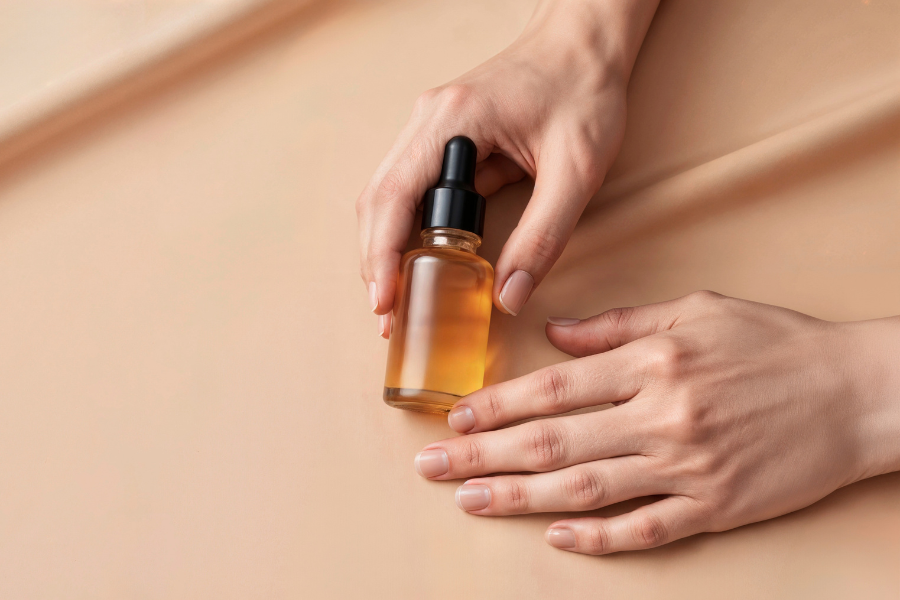

Dry, cracking cuticles. Nails that snap the moment they catch on a sweater. If you wash your hands a dozen times a day or live somewhere cold, you already know this pain. One simple oil can turn things around, and it has been doing so for centuries.
That oil is jojoba (pronounced “ho-ho-ba”). It comes from the seed of a tough desert shrub, Simmondsia chinensis, and it has a long history as a skin and nail healer. This guide explains why jojoba oil for nails works so well, the science behind it, and exactly how to use it. You will also get five DIY recipes you can mix at home tonight.
Why Dry, Brittle Nails Happen
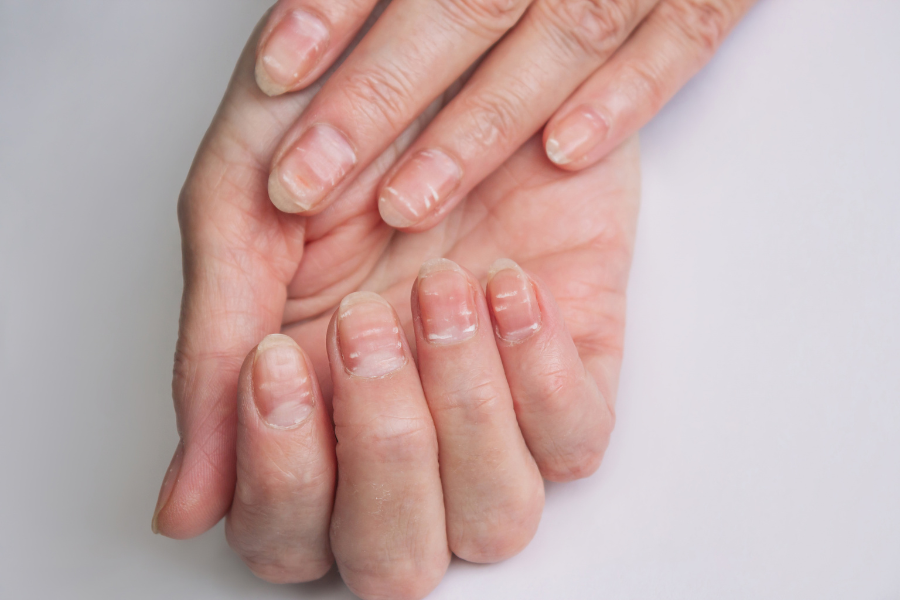
Cold weather, frequent handwashing, and harsh cleaning products all strip moisture from your nails and cuticles. Over time, this leads to peeling layers, hangnails, and nails that snap instead of bend. Once the cuticle’s protective barrier breaks down, the whole nail unit becomes more vulnerable.
That is where jojoba steps in. Unlike heavy lotions that sit on top of the skin, jojoba oil closely matches your body’s own natural oils. This lets it soak in fast without feeling greasy.
A Traditional Remedy With Deep Roots
Jojoba is not a new trend. The Tohono O’odham people of what is now southern Arizona and northern Mexico have used it for generations. They gently warmed the seeds, crushed them into a paste, and applied the resulting salve to wounds, skin, and hair.
Jojoba’s path to your bathroom shelf runs through an unlikely source: whale conservation. Sperm whale oil was once a common cosmetic ingredient. After the United States banned sperm whale products in the early 1970s, researchers went searching for a plant-based substitute. Jojoba’s chemistry turned out to be a near-perfect match, and it entered commercial cosmetics as a cruelty-free stand-in for whale oil. By the mid-1970s, it had become a staple ingredient in skin and hair products worldwide.
The Science: Why Jojoba Is the Best Oil for Your Nails
Jojoba earns its reputation because of its chemistry, not just its history. Understanding the science helps explain why it outperforms many other natural oils on nails.
Technically, It’s Not an Oil
Here is a surprising fact: jojoba is not actually an oil. It is a liquid wax ester, made almost entirely (about 97%) of long-chain fatty acids bonded to fatty alcohols, with essentially no triglycerides. Triglycerides are what make most plant oils, like olive or almond oil, prone to breaking down and turning rancid over time.
Because jojoba lacks that triglyceride structure, it is far more stable. It resists oxidation, stays fresh longer, and does not develop the sour smell that ruins other carrier oils.
It Matches Your Skin’s Natural Sebum
Human skin produces sebum, a waxy substance that keeps skin and nails conditioned. Jojoba’s molecular structure is remarkably close to human sebum, which is a big reason it absorbs so easily instead of sitting on the surface.
This similarity means your skin and nail plate “recognize” jojoba rather than treating it like a foreign substance. That helps it penetrate deeper than many other oils.
What’s Actually in the Bottle
Gas chromatography studies break jojoba down into a specific fatty acid and alcohol profile. The dominant compound is eicosenoic acid, making up roughly 35% of the wax, followed by smaller amounts of docosenoic (erucic-type) and oleic acids, along with long-chain fatty alcohols like eicosenol and docosenol.
This unique blend gives jojoba its light texture, its resistance to breakdown, and its long shelf life, generally 2 to 5 years when stored properly, far longer than most cold-pressed oils.
The Vitamin E Connection
Jojoba naturally carries small amounts of tocopherol, better known as vitamin E, along with trace minerals. Nail chemist Doug Schoon has studied how carrier oils interact with tocopherol on the nail plate. His testing found that tocopherol blended with natural oils like jojoba slowly penetrates the nail plate and concentrates near the surface, which is exactly where antioxidant protection against sunlight and oxygen damage is needed most.
In simple terms, jojoba acts as a delivery vehicle. It carries beneficial compounds to the part of the nail that takes the most daily wear.
Targeted Benefits: What Jojoba Oil Does for Healthy Nails
Now that you understand the science, here is what that translates to in daily use. Each benefit builds on the last, from surface hydration to deeper structural support.
1. Deep Moisturization
Jojoba forms a light, breathable barrier that locks moisture into the nail and surrounding skin. This helps prevent the cracking, splitting, and peeling that come with dry, brittle nails.
2. Cuticle Health and Barrier Repair
Your cuticle is made of two parts: the live skin at the base of your nail (the proximal fold) and the thin layer of dead cells that seals it. Both need moisture to stay intact. When the cuticle dries out, it cracks, and hangnails and rough edges follow.
Regular jojoba application softens both layers and helps repair the lipid barrier. Some sources also note that jojoba may help reduce the thickness of scaling deposits linked to nail psoriasis, though it is not a substitute for a dermatologist’s treatment plan for that condition.
3. Structural Strength
Strong nails depend on more than just keratin. They also need supporting nutrients like B-complex vitamins, zinc, and copper. Jojoba oil is rich in vitamin E and B-complex vitamins, which support the nail’s underlying structure over time.
4. Faster-Looking Growth
Jojoba will not make nails grow faster on its own. But the daily massage used to apply it improves local blood circulation around the nail bed, which can support a healthier growth environment. Combined with reduced breakage, nails simply get to keep more of the length they grow.
5. A Barrier Against Infection
Dry, cracked skin around the nail is an easy entry point for bacteria and fungus. Conditions like paronychia (an infection of the skin around the nail) and onychomycosis (nail fungus) often start this way. By keeping the cuticle sealed and moisturized, jojoba oil acts as a simple, low-cost first line of defense.
Application Methods: How to Use Jojoba Oil for Nails
Getting results from jojoba oil is mostly about consistency. Here are the three easiest ways to work it into your routine.
Method 1: The Daily Circular Massage
- Start with clean, dry nails so the oil can fully absorb.
- Place one to two drops of jojoba oil on each nail.
- Massage it into the cuticle and surrounding skin using small circular motions for about 30 seconds per finger.
A portable cuticle oil pen makes this easy to do anywhere, whether you are at your desk or watching TV.
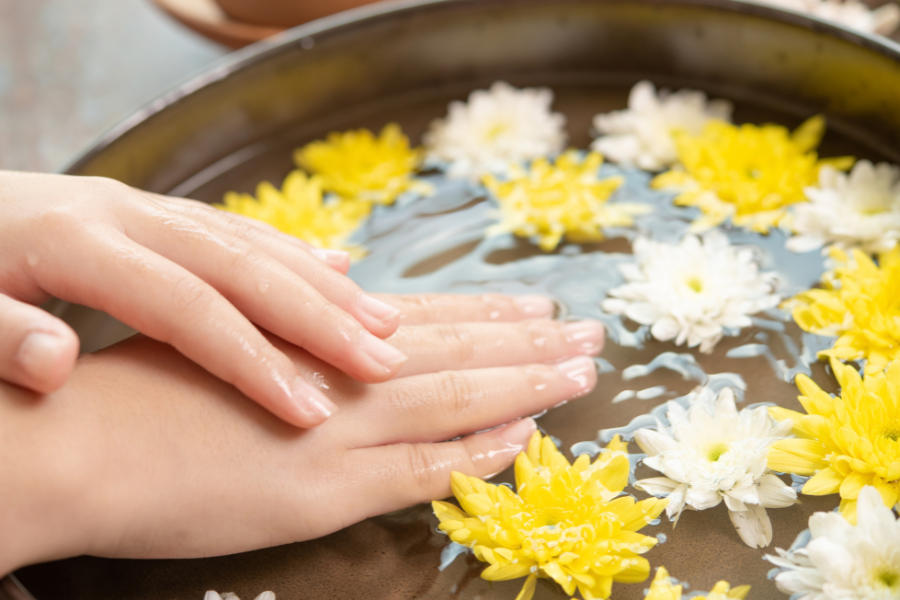
Method 2: The Warm Soak
- Warm a small bowl of jojoba oil (do not overheat it; body temperature is enough).
- Soak your fingertips for five to ten minutes.
- Massage any remaining oil into the nails and cuticles afterward.
This method works well once or twice a week for deeper hydration.
Method 3: As a Protective Base Coat
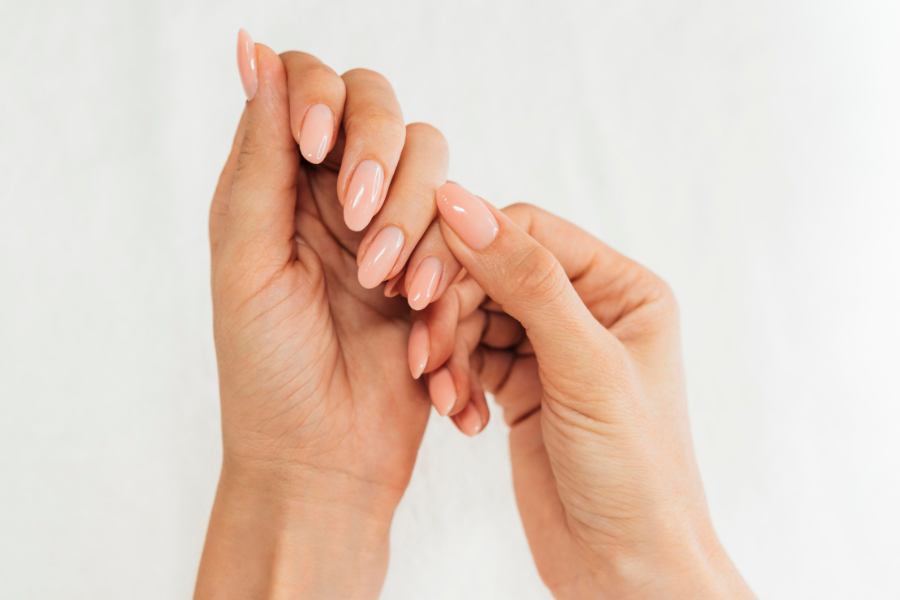
Apply a very thin layer of jojoba oil to clean nails before polish. Let it absorb for a minute or two. This can help create a smoother surface and adds a light protective layer under the polish.
A Few Application Tips
- Apply in the evening. This gives the oil hours to absorb undisturbed while you sleep.
- Always clean and dry nails first so the oil is not blocked by dirt or lotion residue.
- Patch test new blends. Before trying any custom recipe with essential oils, apply a small amount to your inner arm and wait 24 to 48 hours to check for irritation.
DIY Apothecary: Custom Recipes With Jojoba Oil for Nails and Cuticles
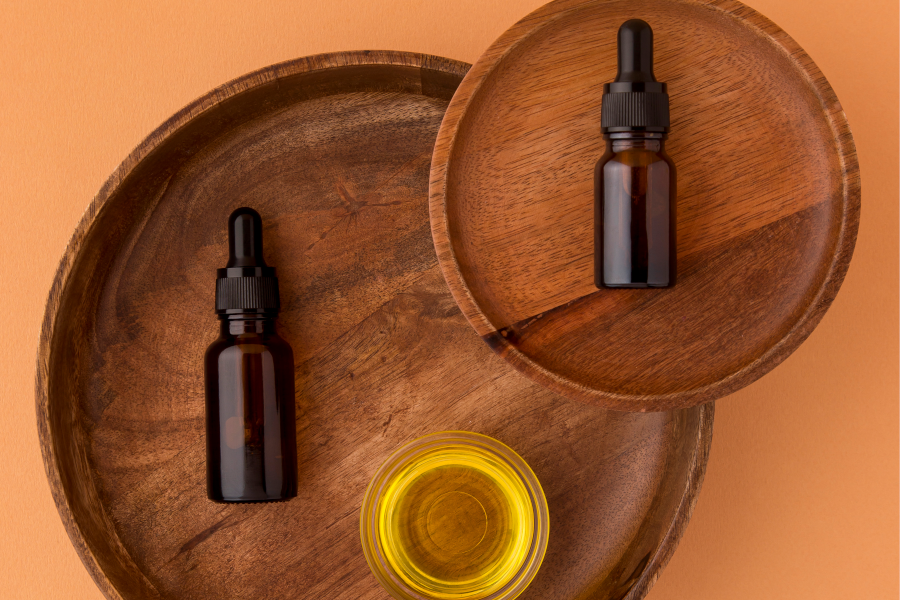
Once you have the basics down, you can build your own blends. Each recipe below uses jojoba as the base, since it also helps stabilize the essential oils mixed into it. A standard small dropper bottle (about 10 ml) works well for these.
A quick safety note: Some essential oils, including clary sage and thyme, are generally advised against during early pregnancy. If you are pregnant, breastfeeding, or unsure, check with a doctor before using any essential oil blend.
Blend 1: The Nail Immunity Booster
- 8 ml jojoba oil
- 2 drops tamanu oil
- 2 drops tea tree essential oil
- 2 drops lavender essential oil
- 1 drop Roman chamomile essential oil
Mix in a dark glass bottle and shake gently. Tea tree adds a cleansing quality, making this blend a good choice for nails that need extra protection.
Blend 2: The Soothing and Strengthening Elixir
- 5 ml jojoba oil
- 2 ml avocado oil
- 2 ml argan oil
- 2 drops patchouli essential oil
- 2 drops rose geranium essential oil
- 1 drop helichrysum essential oil
Avocado and argan oils are both rich in oleic acid, which pairs well with jojoba to add extra softness for very dry, weathered hands.
Blend 3: Daily Moisturizing Purse Blend
- 8 ml jojoba oil
- 2 ml coconut MCT oil
- 2 drops lavender essential oil
- 2 drops Roman chamomile essential oil
- 1 drop ylang ylang essential oil
Keep this one in your bag. It is light, calming, and easy to apply throughout the day.
Blend 4: The Minimalist Lemon Sage Quick-Mix
- 9 ml jojoba oil
- 2 drops lemon essential oil
- 2 drops clary sage essential oil
- 1 drop vitamin E oil
This simple, four-ingredient blend is a good starting point if you are new to DIY nail oils.
Blend 5: Hardworking Hands Protective Balm
- 1 tbsp beeswax
- 2 tbsp refined shea butter
- 2 tbsp jojoba oil
- 1 tsp tamanu oil
- 1 tsp rosehip oil
- 3 drops geranium essential oil
- 2 drops thyme essential oil
- 2 drops myrrh essential oil
Melt the beeswax and shea butter together over low heat, remove from heat, then stir in the oils. Pour into a small tin and let it cool into a solid balm. This heavier formula is best for very rough, cracked hands after outdoor work or cold-weather exposure.
Frequently Asked Questions
Is Jojoba Actually an Oil, and Why Does It Freeze?
As covered earlier, jojoba is technically a liquid wax ester, not a true oil. This is exactly why it behaves differently in cold weather. Jojoba typically starts to cloud or solidify around 45 to 50°F. If your bottle turns cloudy or solid in the fridge or during winter shipping, do not worry. Just let it sit at room temperature, and it will return to a clear, golden liquid.
Can I Use Cuticle Oil Over Nail Polish, Gel, or Acrylics?
Yes. Jojoba oil is safe to apply around and even over polish, gel, and acrylics. It helps condition the surrounding cuticle and can add a subtle sheen to the coating itself. Keep in mind, though, that any vitamins or nutrients in the oil do not migrate through the polish or acrylic layer into your natural nail underneath. The benefit stays on the surface unless the oil is applied directly to bare nail.
What Is the Shelf Life of My Homemade Jojoba Formulations?
Pure jojoba oil on its own can last 2 to 5 years thanks to its wax structure. However, once you blend in other carrier oils, essential oils, or butters, the shelf life shortens to match your shortest-lived ingredient. A blend with avocado oil, for example, will not last as long as jojoba alone. Store all blends in a cool, dark place, and label them with the date you made them.
How Quickly Will I See a Before-and-After Difference?
Most people notice softer cuticles within a week of daily use. Visible improvements in nail strength and reduced breakage typically take four to six weeks, since that reflects how long it takes for new, healthier nail growth to reach the tip.
Conclusion: Your Journey to Stronger, Healthier Nails
Jojoba oil for nails works because of simple, well-documented chemistry: it mimics your skin’s own sebum, resists breaking down, and carries protective nutrients right where your nails need them most. Regular use supports hydration, repairs the cuticle barrier, and helps nails hold onto the strength they grow.
Ready to try it? Start with one recipe from this guide, apply it nightly for two weeks, and watch what changes. Share your before-and-after progress in your favorite natural beauty or nail care community. You might be surprised how much of a difference one small bottle can make.