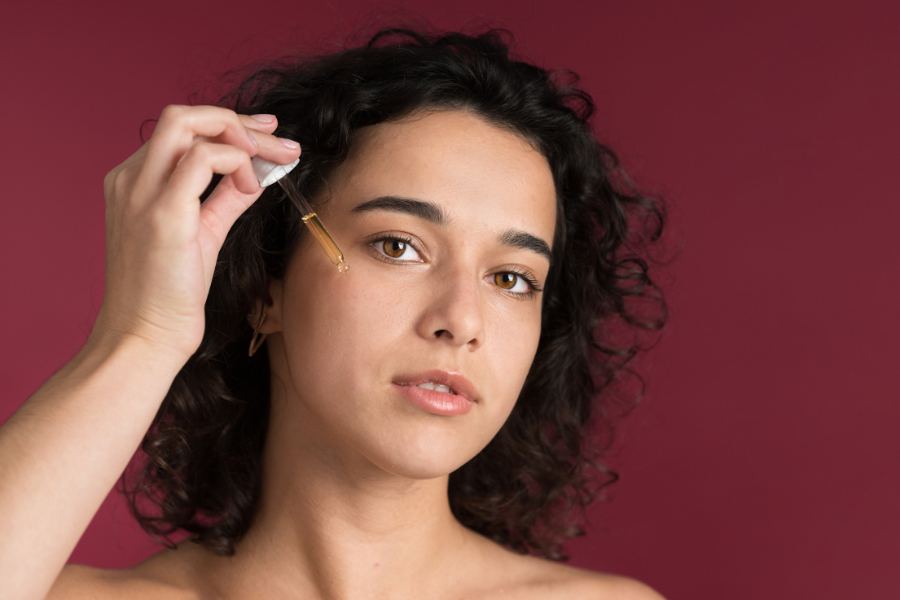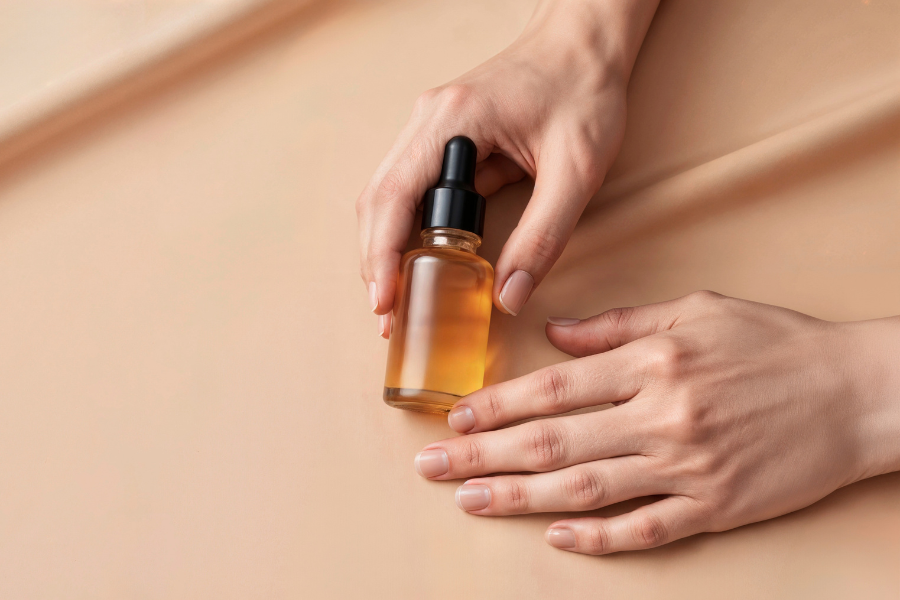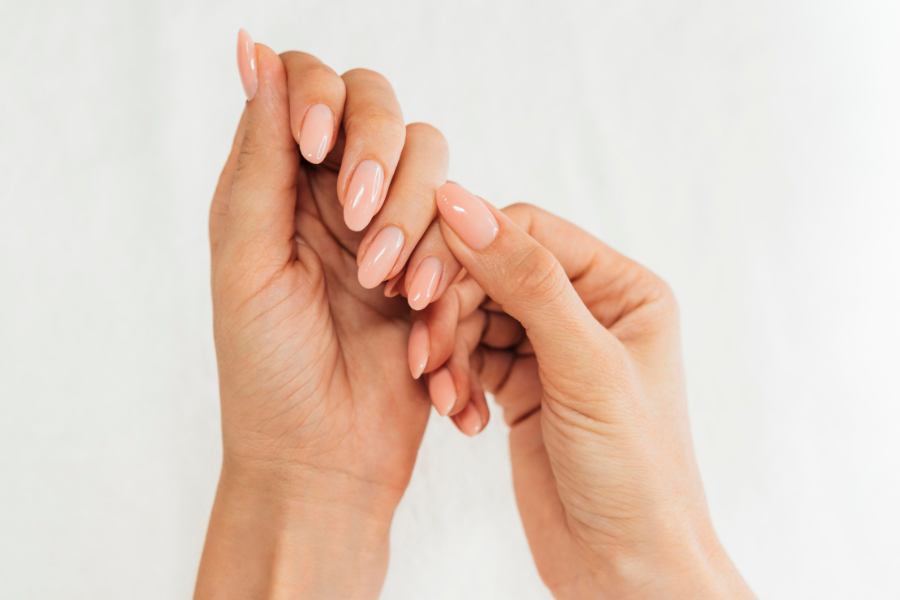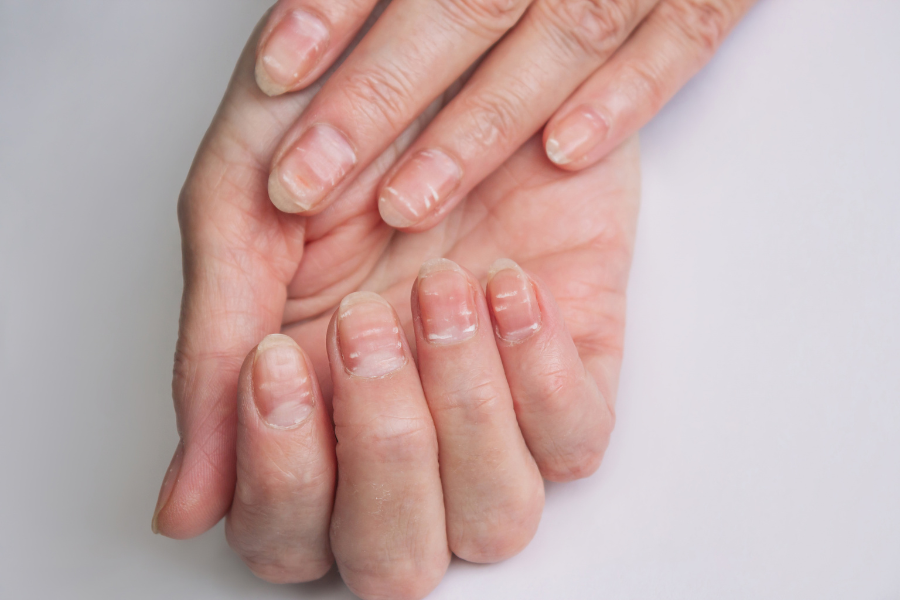

Do your nails split before you even finish a manicure? Do you scroll past every “10 tips for stronger nails” post because none of them worked? You are not alone. Brittle, peeling nails affect roughly 1 in 5 people, and women are hit almost twice as often as men, according to a clinical review of brittle nail syndrome.
Your nails are not just a beauty accessory. They are a visible record of what is happening inside your body. Nutrient gaps, hormone shifts, and even how you wash dishes can all show up on your nail plate.
In this guide, you will learn what actually causes weak, ridged, and splitting nails. You will also get a practical plan for fixing them, including the right foods, the right creams, and the manicure habits dermatologists actually recommend. Let’s start with the basics of what your nails are made of.
Understanding Nail Health and Strength: The Biology of the Nail Plate
Before you can fix a problem, it helps to know what you are working with. Nails are more complex than they look, and that complexity explains why so many quick fixes fail.
The Keratin Structure
Nails are made mostly of a tough protein called keratin. It’s the same protein that builds your hair and the outer layer of your skin. A healthy nail plate is not one solid piece, either. It’s made of dozens of microscopic keratin layers stacked on top of one another, similar to sheets of plywood.
Natural oils and moisture act like glue between these layers. That glue is what lets a healthy nail bend slightly when you bump it, instead of cracking. Once the moisture and lipids dry out, those layers start to separate. That separation is what you see as peeling and splitting.
The Role of the Nail Matrix
Every nail grows from a root called the nail matrix, tucked just under your cuticle. This is where new nail cells are made and pushed forward as the nail grows.
Here is the part most people miss: a nutrient shortage disrupts the matrix long before you ever see a problem on the visible nail. By the time you notice ridges or weakness, the damage may have started weeks earlier. That’s also why nail fixes take time. A full fingernail takes several months to grow out completely.
Why Do Nails Break? Common Causes of Brittle Nails and Ridges
Next, let’s look at what actually damages the nail plate. Most brittle nails come down to a mix of internal and external stress.
A Lack of Vital Vitamins, Minerals, and Proteins
When your body runs short on nutrients, it prioritizes vital organs first. Hair and nails are considered “non-essential,” so they are often the first to show signs of a deficiency. Key nutrients tied to nail strength include biotin, iron, zinc, calcium, and collagen or protein.
Excessive Exposure to Water and Harsh Detergents
Nails absorb water easily. Repeated wetting and drying causes the nail plate to swell and then shrink. This “swell-and-shrink cycle” puts mechanical stress on the keratin layers and eventually splits them apart. Dish soap and household cleaners make this worse by stripping away the nail’s natural protective oils.
Overuse of Chemical Manicures and Aggressive Solvents
Frequent nail polish, paired with acetone-based removers, dries out the nail plate. Heavier treatments like acrylics and gel manicures compound the problem. The American Academy of Dermatology (AAD) confirms that gel manicures can cause nail brittleness, peeling, and cracking, especially with repeated, back-to-back use.
Biological Factors: Aging and Hormonal Fluctuations
Aging naturally slows nail growth and reduces moisture, which is why vertical ridges become more common later in life. Major hormonal shifts, including pregnancy, menopause, and thyroid disorders, can also change how your nails grow and look.
Systemic Health Conditions and Inflammation
Certain health conditions show up in the nails first. Anemia, liver disease, and diabetes are common culprits. Inflammatory skin conditions like eczema, psoriasis, and lichen planus can inflame the nail matrix directly, leading to pitting or distorted growth.
Mechanical Damage and Improper Grooming Habits
Dull clippers and cheap, rough emery boards used in a back-and-forth sawing motion create tiny tears in the keratin layers. Over time, this frays the nail edge and makes splitting more likely.
Improving Nail Health and Strength From Within: Diet and Supplements
Now for the part you can actually control. Real nail strength starts with what’s on your plate, not just what’s in your nail polish bag.
Key Micronutrients for Ultimate Nail Strength
- Biotin (Vitamin B7): Often called the go-to nutrient for nail strength, biotin helps the body build keratin. In one small clinical study, patients with brittle nails who took 2.5 mg of biotin daily for about six months saw nail thickness increase by 25 percent, based on data summarized by the National Institutes of Health Office of Dietary Supplements. A separate study using electron microscopy confirmed that biotin also reduced nail splitting and smoothed out irregular surface texture, per research published via PubMed.
- Zinc and Selenium: Support cell division and growth, and help protect the nail matrix from oxidative stress.
- Iron: A shortage is closely linked to fragile, spoon-shaped nails, a topic covered in more detail below.
- Calcium: Helps maintain the structural integrity and flexibility that keeps nails from snapping.
- Vitamin B6 and Vitamin C: B6 supports the synthesis of cysteine, a building block of keratin. Vitamin C is an antioxidant that also improves how well your body absorbs iron.
The Role of Collagen and Proteins
Collagen supports the elasticity and structure of the nail plate. For your body to make the most of it, pair protein-rich meals with a source of Vitamin C. This combination helps your body actually synthesize collagen rather than just consume it.
What to Eat: A Nutritional Shopping List for Strong Nails
- Biotin-rich foods: eggs (especially the yolk), almonds, walnuts, whole grains, avocados
- Iron and zinc-dense foods: red meat, dark leafy greens like spinach and broccoli, pumpkin seeds, legumes
- Collagen and protein boosters: bone broth, wild-caught salmon, poultry, and dairy products
At-Home Care and Protective Habits for Restoring Nail Integrity
Diet fixes the problem from the inside. These next habits protect your nails from the outside.
Shielding Your Nails With Protective Gloves
Wear rubber or nitrile gloves during dishwashing, laundry, and household cleaning. This one habit stops both chemical exposure and the swell-and-shrink cycle in its tracks. The Mayo Clinic specifically recommends limiting exposure to nail polish remover and harsh cleaning products as part of basic nail care.
Choosing High-Performance Moisturizing Ingredients
Look for these ingredients in your hand cream or nail treatment:
- Urea: A humectant that pulls moisture into the nail and softens cuticles
- Glycerin and aloe vera: Provide deep, longer-lasting hydration below the surface
- Natural oils (sweet almond, jojoba, sunflower, coconut): Mimic your skin’s natural oils to lock in moisture and add flexibility
- Niacinamide (Vitamin B3): Strengthens the skin barrier around the nail bed
Addressing Fungal and Microbial Issues
A hidden fungal infection can also cause nails to crumble or thicken. If moisturizing alone isn’t helping, look for antimicrobial ingredients like clotrimazole, often paired with natural oils such as rosemary or lavender.
Natural DIY Kitchen Treatments That Work
- Olive oil and lemon soak: Massage cold-pressed olive oil (rich in Vitamin E) mixed with fresh lemon juice into nails for 15 minutes to hydrate and brighten yellowing.
- Coconut oil and honey mask: Combine coconut oil with raw honey, a natural humectant with antibacterial properties, to seal in moisture.
- Pure aloe vera gel: Apply fresh gel directly to the nail to restore flexibility and reduce breakage.
Mastering the Art of the Perfect Manicure
- Switch from cardboard emery boards to a glass or crystal nail file.
- File in one direction only, rather than sawing back and forth, to prevent fraying.
- Use sharp clippers. Trim fingernails in a gentle curve; trim toenails straight across to avoid ingrown nails.
- Give your nails a break from gel manicures, acrylics, and acetone removers every so often to let them recover.
Demystifying Nail Changes: Vertical Ridges, Horizontal Lines, and White Spots
Not every nail change is a red flag. Here is what your nails are actually telling you.
Vertical Nail Ridges
Lines running from the cuticle to the tip are very common. They’re usually linked to natural aging, mild dehydration, or minor nutrient gaps involving iron, protein, or folic acid, according to Cleveland Clinic’s overview of nail ridges.
Horizontal Nail Ridges (Beau’s Lines)
Horizontal grooves, known as Beau’s lines, signal that nail growth was temporarily interrupted. Cleveland Clinic explains that illness, severe stress, injury to the nail matrix, and poor blood flow can all cause this pause. Other documented triggers include eczema, psoriasis, severe zinc or protein deficiency, and chemotherapy.
Debunking the Myth of White Spots
Those small white spots are called leukonychia, and here’s the surprising part: they are almost never caused by a calcium deficiency. Cleveland Clinic notes that researchers aren’t convinced any nutrient deficiency is behind these spots. Instead, they are typically small cornification issues caused by minor injury or irritation to the nail matrix. The white spot is essentially a trapped air pocket that slowly grows out along with the rest of the nail.
When to Consult a Doctor About Nail Health and Strength
Home care solves most brittle nail problems. But some changes deserve a professional opinion. According to Mayo Clinic’s guide to fingernail problems and Cleveland Clinic’s overview of spoon nails, talk to a healthcare provider if you notice:
- Spoon-shaped or clubbed nails. A concave, spoon-like dent (koilonychia) often points to iron deficiency. Nails that curve down around enlarged fingertips (clubbing) can signal a lung, heart, or liver issue.
- Persistent, unexplained discoloration. White, yellow, green, or dark streaks that don’t fade can, in rare cases, indicate a more serious underlying condition.
- Small dents or pits on the surface. These are commonly linked to psoriasis or eczema.
- Redness, swelling, tenderness, or pain around the nail bed, which can point to an infection.
Conclusion
Strong, healthy nails are a long game, not an overnight fix. Because nails take months to fully grow out, you won’t see results from a new habit for several weeks at minimum. Consistency matters more than intensity here.
Start small. Switch to a glass nail file this week. Keep a pair of gloves by the sink for dishes. Add a handful of walnuts or an extra egg to your breakfast. These small, repeatable changes, done consistently, are what actually rebuild nail strength from the inside out.
Frequently Asked Questions About Improving Nail Health and Strength
What vitamin is missing when nails break? Brittle nails are most often linked to low biotin (Vitamin B7). That said, low iron, zinc, Vitamin A, Vitamin C, Vitamin D, Vitamin E, or collagen can also weaken the structure, flexibility, and growth of the nail plate.
What helps brittle nails in children? Brittle nails in kids are common and usually come from a diet low in essential vitamins, frequent hand soaking during baths or play, or nail-biting. A balanced diet rich in biotin, iron, and zinc, plus regular moisturizing with gentle natural oils, can help.
What does it mean when your nails keep breaking? Ongoing breakage usually points to one of three things: a nutrient gap, too much chemical or water exposure, or mechanical damage from improper filing. If the problem doesn’t improve after fixing these habits, it may be worth checking for anemia or a thyroid issue with a doctor.
What is the root cause of splitting nails? Splitting and peeling almost always trace back to a severe loss of moisture and natural oils in the keratin layers. Poor nutrition, frequently wet hands, harsh acetone removers, and rough back-and-forth filing all speed this process up.
How can I rescue severely damaged, flaking nails? Commit to a multi-step plan: add biotin, iron, and collagen-rich foods to your diet; apply a thick urea or natural oil cream to your cuticles several times a day; pause all polish, gel enhancements, and harsh removers to let your nails breathe; and wear protective gloves for household chores.