
From skin prep to setting, expert-led methods redefine how makeup holds in high-moisture environments
Words | Rohini Wahul
Humidity is no longer a seasonal disruption—it is a constant working condition for makeup professionals. What clients perceive as fading makeup is often a breakdown of grip, layering, and skin preparation.
This shift demands a more technical approach. Longevity in humidity is not about adding more product—it is about controlling how makeup interacts with the skin under stress.
Understanding Where It Goes Wrong
Humidity affects the skin before it affects the makeup. Increased moisture in the air raises skin temperature, triggering sweat and oil production. As this builds, it disrupts the base, causing separation and uneven wear.
As noted by makeup artist Cherag Bambboat, the issue often begins at the preparation stage. “Most artists rely heavily on moisturiser and primer, while overlooking toner,” he says. This imbalance creates excess slip, making it difficult for makeup to adhere effectively. The correction, therefore, starts with rethinking the base.

Skin Prep: Controlled, Not Excessive
In humid conditions, skin preparation cannot be uniform. It needs to be precise and responsive to different areas of the face.
Bambboat emphasises the importance of analysing skin behaviour closely. “You need to understand which areas are drier, which are oilier, and where sebaceous activity is higher,” he explains. “That’s how you prepare the skin correctly for humidity.”
Instead of layering rich products across the face, the focus should shift to lightweight, gel-based hydration used selectively. Toner becomes a key step in balancing the skin, allowing makeup to grip rather than slide.
Layering: Building Internal Structure
Traditional layering focuses on seamless blending. In humid conditions, it must focus on stability.
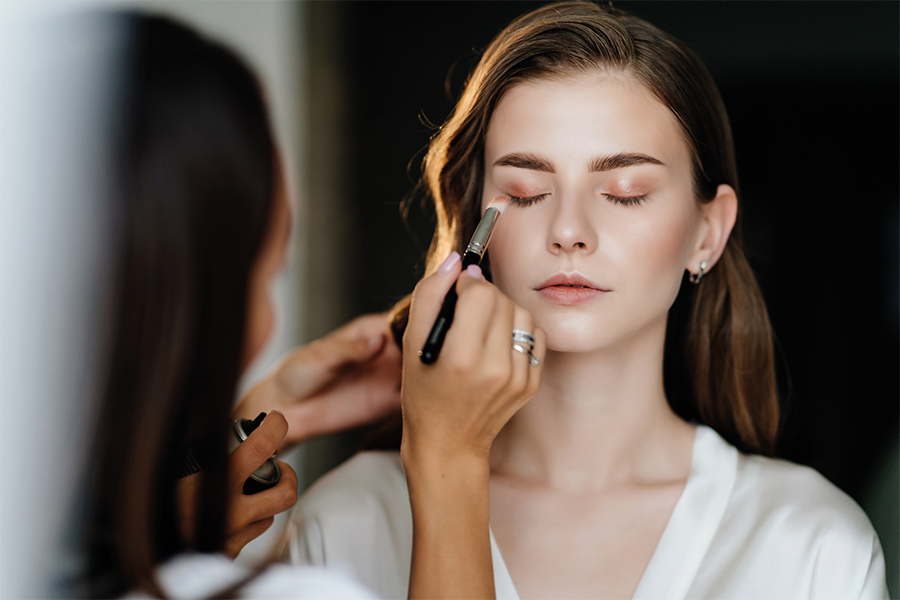
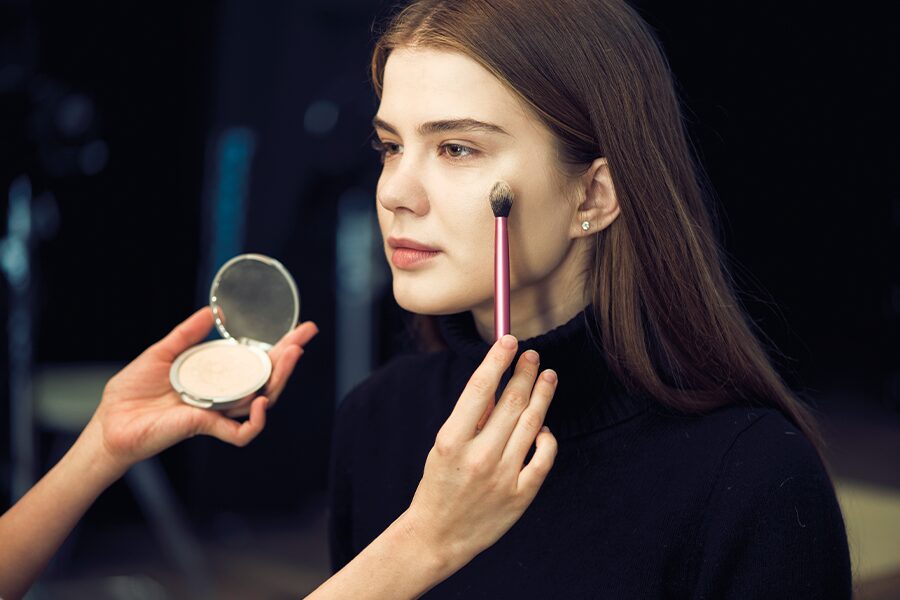
Bambboat recommends introducing micro-setting within the application itself. “A light dusting of powder after every layer—moisturizer, corrector, concealer, foundation—acts as a barrier,” he notes. “It delays sweat from breaking through the makeup.”
This approach creates separation between layers, preventing them from mixing under heat and moisture. The result is a base that holds its structure for longer durations.
Texture Control: Powder Takes Priority
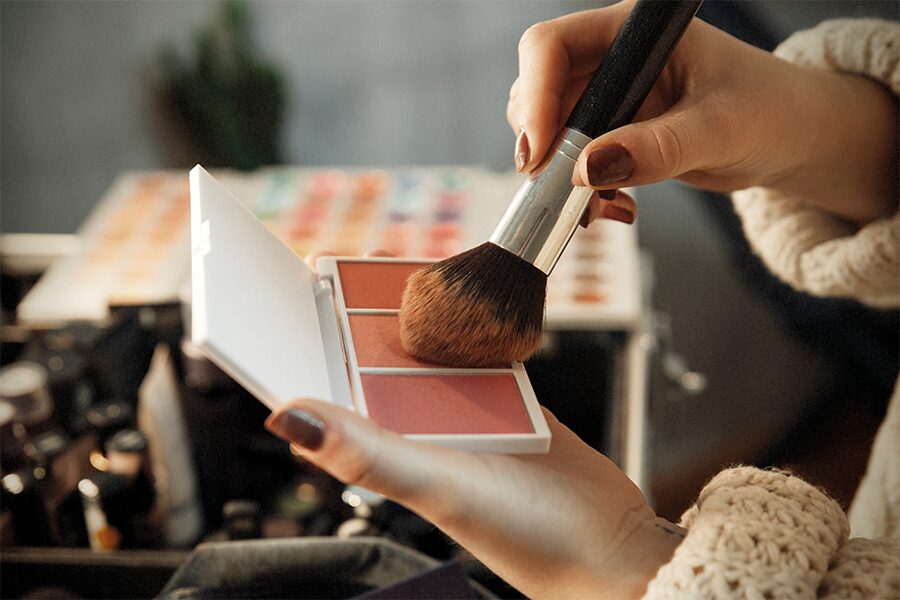
Product texture plays a defining role in how makeup performs in humidity. Cream-based products, while visually appealing, tend to react quickly with sweat and oil.
“When working in humid conditions, powder products should carry more weight,” says Bambboat. “They often contain ingredients like silica, which help absorb oil and control moisture.”
This does not eliminate creams, but shifts their role. Powders become the primary stabilising element, particularly in areas prone to movement and shine. The balance ensures longevity without compromising finish.
Setting: A Layered Process
Setting is no longer a final step—it is integrated throughout the application.
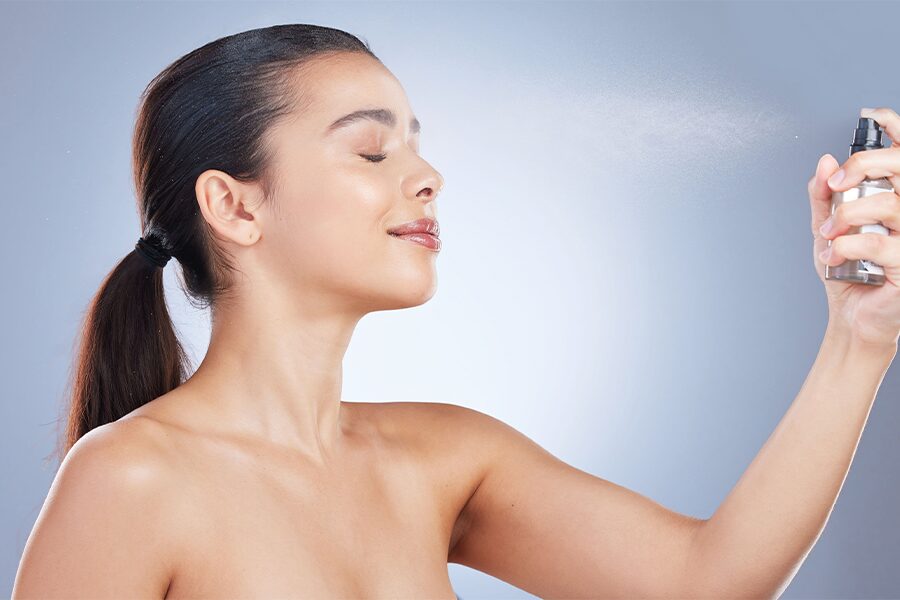
Internal setting through powder layering builds durability, while the final step focuses on locking everything in place. Fixing sprays help bind the layers together, improving wear and cohesion.
Bambboat also points to earlier industry practices to emphasise the importance of fixation. “Before modern setting sprays, artists used alcohol-based products like hairspray to lock makeup,” he says. While techniques have evolved, the principle remains unchanged—long wear requires deliberate setting.
Maintenance: Timing Over Correction
Even with a strong application, longevity depends on how makeup is maintained.
“The key is timely touch-ups,” Bambboat explains. “You shouldn’t wait for sweat and oil to break through completely. The moment you feel it building, you address it.”
Early intervention prevents visible breakdown and reduces the need for heavy correction later. For professionals, this also becomes an important part of client guidance.
The Professional Shift
Humidity-proof makeup is not product-driven—it is technique-led. It requires understanding how skin behaves under moisture, heat, and environmental stress, and adjusting application accordingly.
From precise skin prep to controlled layering and strategic setting, each step contributes to performance. What emerges is a more considered approach—one that prioritises structure over excess.
In high-humidity conditions, longevity is not achieved by resisting the environment. It is achieved by understanding it—and building makeup that works within it.