
Follow proper nail salon guidelines to maintain clients’ safety and trust
Words | Relin Hedly
Hygiene plays a vital role in preventing infections in a salon. This stands true for nail salons and services as well. Practicing sanitation during and between nail services ensures a safe environment for clients. Failing leads to potential risks. Dipika Parihar, Founder and Education Director, The Nail Art School, Co-Owner of R Nail Lounge (India), emphasizes maintaining strict hygiene standards to protect client safety, ensure professional credibility, and maintain trust in salon services. The following problems and risks could occur if proper care is not taken during and between nail services:
- Tools not properly sanitized or workstations not cleaned regularly: Bacteria and fungi can easily spread from one client to another, leading to nail infections, skin irritations, or fungal growth around the nail plate
- Exposure to unclean tools: In severe cases, minor cuts around the cuticle area may become infected
- Repeated exposure to unsanitary conditions can compromise overall nail health and increase the risk of persistent infections
Best Hygiene Practices in Nail Salons
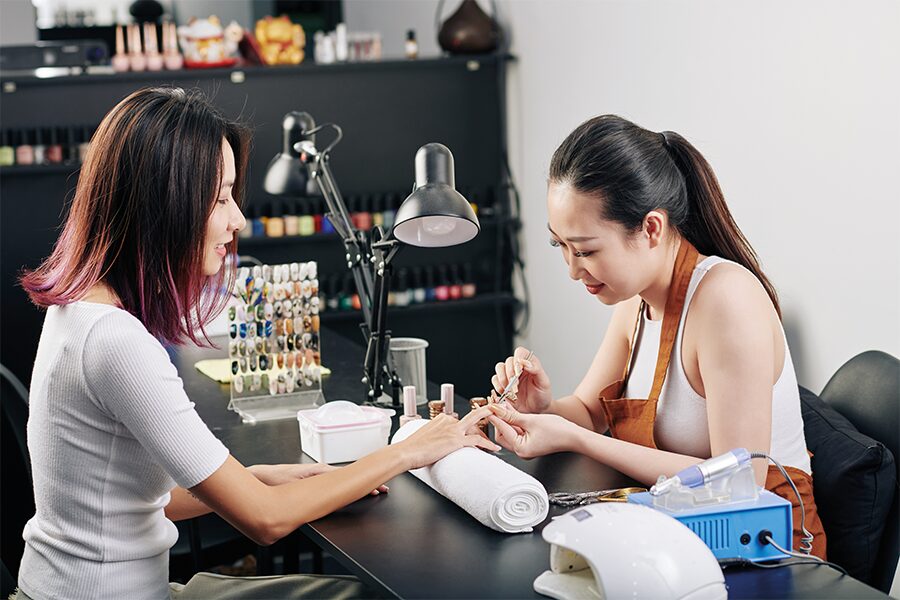
Professional nail salons must prioritize proper service techniques at all times. Moreover, nail technicians should follow the guidelines below to ensure safety:
- Thorough hand washing or sanitizing for clients and technicians is a must before every service
- All metal tools or equipment must be properly cleaned, disinfected, and sterilized with professional-grade disinfectants after every use.
- Never reuse single-use items such as nail files, buffers, wooden sticks, and tissues between services or clients.
- Wipe and disinfect workstations before and after every service to prevent the spread of bacteria. a
- Wear gloves and masks when required to help maintain hygiene and protect both the technician and the client. nt
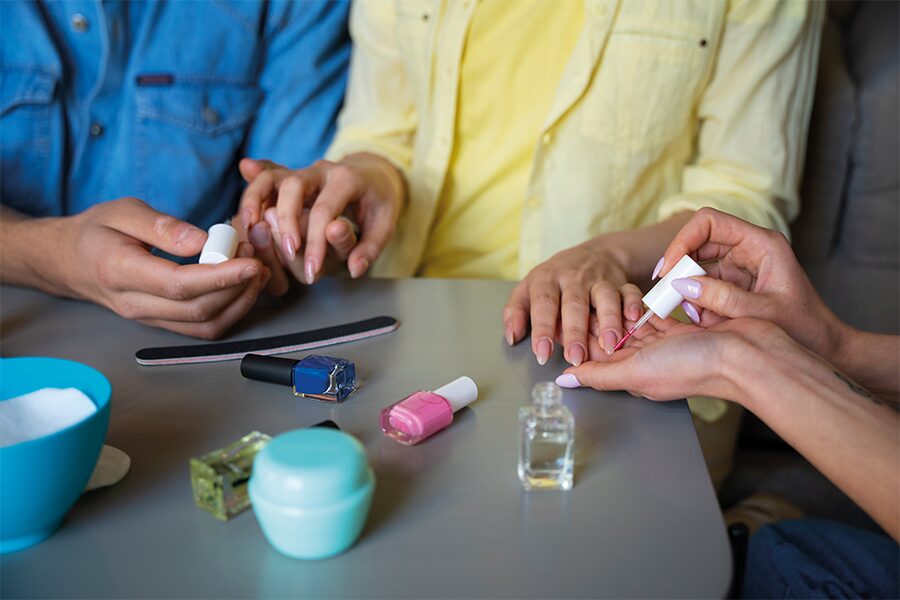
These hygiene practices not only ensure safety but also reflect professionalism and build long-term trust with clients.
Dipika Parihar cautions technicians to avoid performing services on infected nails and instead recommends medical consultation.
Prioritize Client Safety
Clients should watch out for red flags like unsanitized tools and raise an alarm. Safety is paramount and should not be compromised at any cost. Dust bins need not be overflowing near or at the nail station. These are extremely harmful.
Dipika elaborates, “A clean and organized workspace is the first sign of a professional salon. Tools should either be freshly sterilized or taken from sealed sterilization pouches before use. Disposable items like nail files and buffers should ideally be new or given to the client after the service. Technicians should wash or sanitize their hands before starting the service and encourage clients to do the same.”
She further says, “ Clients should also ensure that technicians avoid cutting cuticles aggressively and do not perform services on infected nails. Choosing salons that prioritize hygiene ensures a safer, healthier, and more professional nail care experience.
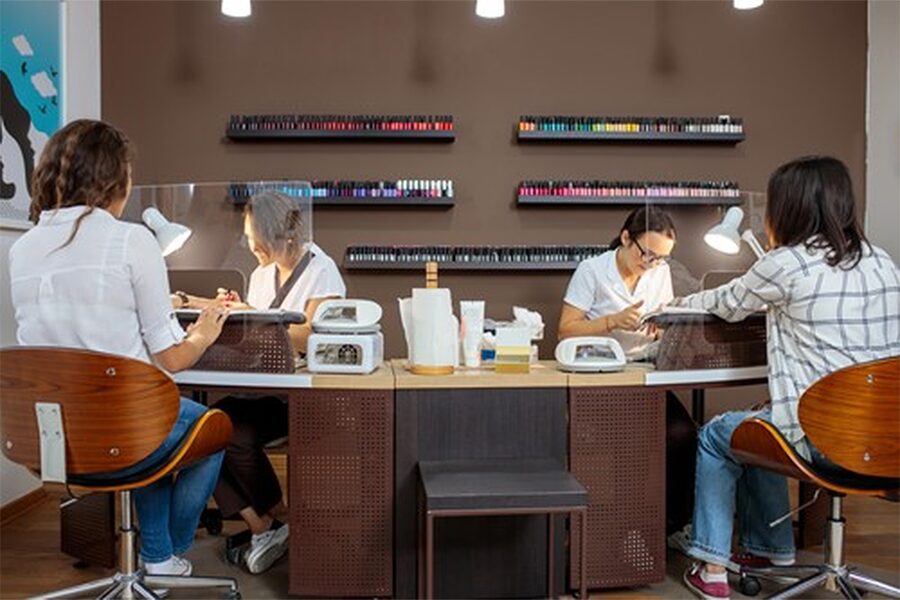
Strict No-Nos to Adhere To
While performing nail services, nail technicians should avoid the following errors:
- Don’t neglect workstation cleanliness between services
- Over-cutting or aggressively pushing the cuticle can cause injury and increase the risk of infection
- Don’t overlook proper ventilation, as it can expose technicians and clients to excessive chemical fumes
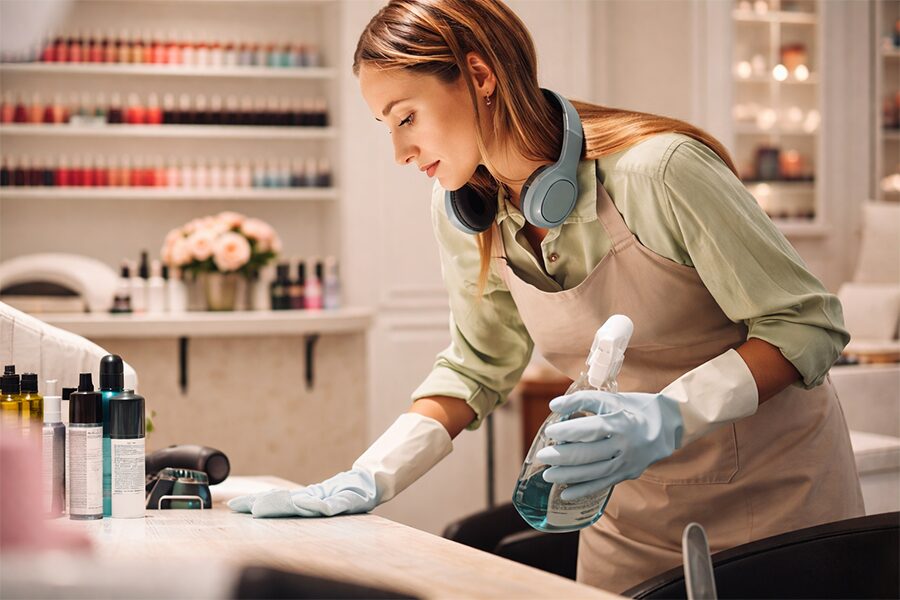
Waste Management Basics
Certain nail salon waste, like acetone, is considered harmful and needs to be disposed of carefully following safety protocols.
Proper waste management is essential in maintaining hygiene and safety within nail salons. All disposable items, such as nail wipes, tissues, cotton pads, wooden sticks, and used files, should be discarded immediately after use in designated covered bins.
“It is important to separate general waste from potentially contaminated waste, such as items that come into contact with bodily fluids. Sharps like blades or broken tools must be disposed of in puncture-resistant containers to prevent accidental injuries. Chemical products such as acetone, polish remover, or leftover nail products should never be poured directly into regular drains without following safe disposal guidelines. Salons should also ensure that garbage bins are cleaned regularly and emptied daily, “ claims Dipika.
“Adhering to proper waste management practices helps maintain a clean salon environment and supports overall public health and safety,” she adds.
Professional nail salons should ensure that nail technicians follow protocols before, during, and after the service. This ensures a welcoming atmosphere for the client and promotes business day after day.