
From frizz to finesse — why curls need more than a one-size-fits-all salon approach
For many women with curly hair, a trip to the salon feels more like damage control than self-care. From uneven haircuts to brittle post-colour ringlets, the salon experience can be fraught with anxiety when stylists aren’t trained to handle curls with care.
While having curls is currently in, salon practices haven’t always kept pace, and clients often end up paying the price. Two experts weigh in on where salons go wrong with curly hair, and what needs to change to keep those coils happy.
Placid Braganza, a Mumbai-based colour expert and founder of Placid’s Salon (est. 2009), is known for his precise technical approach to hair colour, especially when it comes to curls.
Renee Melek is a seasoned stylist with experience working with a wide range of Indian and international hair textures, known for her expertise in cutting curly hair with balance, proportion, and care.
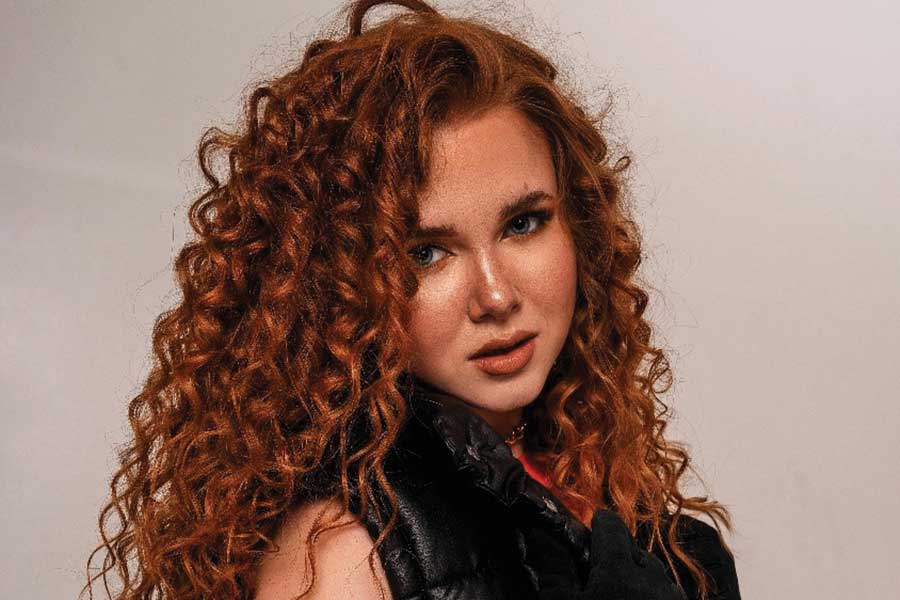
So, can colouring curls go wrong?
“Absolutely,” says Placid. “Curls are naturally more porous than straight hair. If a stylist doesn’t understand that, they may end up using developer strengths or processes that are too harsh. The result? Excessive dryness, breakage, or colour that simply won’t behave.” The rule of thumb for curls: proceed with caution.
What special care needs to be taken while colouring damaged curly hair?
When curly hair is already compromised, colouring it requires even more precision and preparation. “Prepping the hair beforehand is crucial,” he continues. “Protein or bond-building treatments make a big difference. I usually avoid overlapping colours and prefer semi-permanent options, which are less aggressive. And post-colour, it’s all about hydration.”
What about lightening curly hair?
This is where most stylists tend to rush, but that’s a mistake. “Lightening should always be done gradually,” Placid warns. “Bond-protecting formulas, strand tests, and a no-shortcuts approach are non-negotiable. And once the hair is lightened, curls will demand more moisture and targeted care.”

But what about the haircut? Why do so many curly-haired clients walk out dissatisfied?
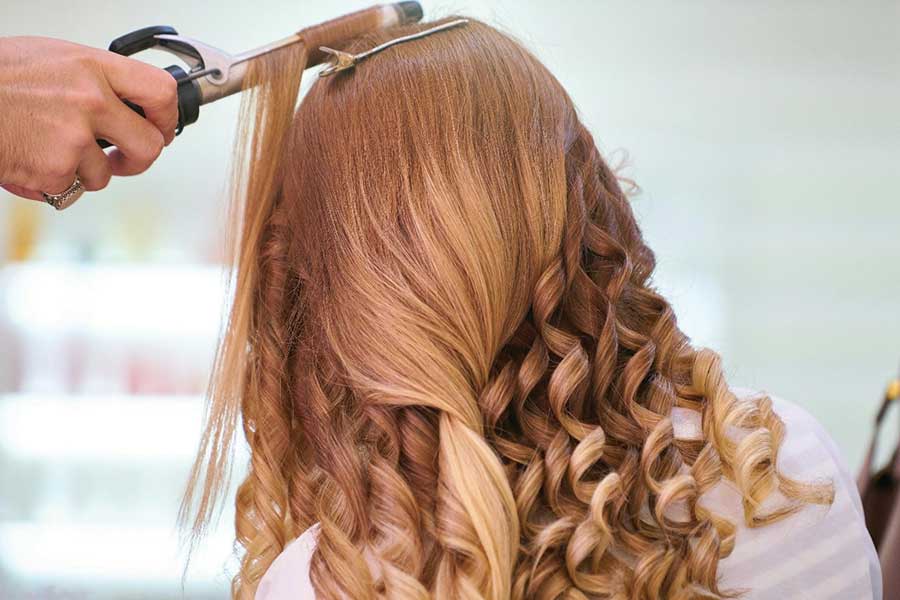
Renee explains, “Most clients say the same thing: their curls feel too short, springy, or completely uneven after a salon visit. It usually happens when a stylist doesn’t know how curls behave. A dry cut works better, as stylists need to visualise the final shape post-drying before picking up those shears.”
Why do you think some cuts leave curls looking uneven or flat?
Another common blunder? Over-thinning or texturizing the hair to ‘reduce the bulk.’ “It backfires,” she says. “Curls need weight in the right places to form well. If you remove too much structure, you just end up with a frizzy, uneven silhouette.”
And what about drying—how can that ruin a good cut?
“If the curls aren’t dried properly after a cut, the client won’t see the true shape,” Renee says. “They walk out looking messier than when they walked in. You’ve got to dry in sections, use a diffuser, and help the curls clump into their natural pattern. Sloppy drying makes the haircut falls flat.”
What can clients do post-appointment to maintain their curls and colour?
“Moisture is everything,” says Placid. “Leave-in conditioners, deep treatments, curl creams-are essentials, not luxuries. Plus, regular trims, sleeping on satin pillowcases, and avoiding harsh detangling can prolong the life of your cut and colour.”
Renee adds that using the wrong shampoo and conditioner post-colour is another recipe for disaster. “Coloured curls need deep-conditioning and moisture-locking formulas. If a client goes back to basic products, their hair will look dull and feel brittle in no time.”
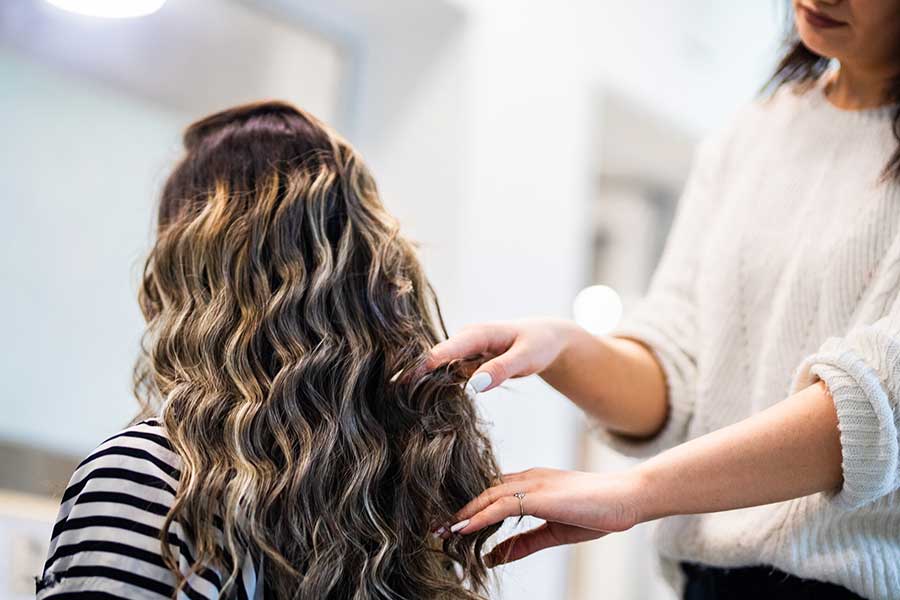
Should salons invest in curl-specific products?
Both experts are unanimous: Yes! “Generic products just don’t cut it,” Placid says. “Curl-specific lines are designed to enhance texture and retain hydration.” Renee adds, “Even if salons don’t stock an entire range, they should have essentials like curl-defining creams or flaxseed gel. It makes a noticeable difference.”
Are special brushes needed for curly hair?
Definitely. “Curly hair needs gentle detangling tools during the conditioning stage,” Renee explains. “And for styling, brushes that help ‘ribbon’ the curls, like paddle brushes with closely set bristles, help form defined, frizz-free clumps. The right tool enhances the curl; the wrong one can destroy it.”
Conclusion
When it comes to curls, cookie-cutter salon practices don’t work. Every step, right from the moment a stylist touches a curl to the products they recommend, matters. Salons’ approach in treating curly and straight hair cannot be the same.
Curls don’t have to be complicated. Carefully cut and coloured curls don’t just bounce, they shine!
Words: Meghna Dastider